Seeking a simple pasta dish in the celebrated Tuscan city of Florence
“You must try the cacio e pepe when you are in Rome.”
It was one of the many tips about Italy my daughter had sent.
Unfortunately, we were already in Tuscany. It was a 2019 performance tour of Italy – from Rome to Venice – by the Oriana Choir from the Sunshine Coast in Queensland, Australia.
We had started the tour in Rome, singing mass in Saint Peter’s Basilica in the Vatican City.
In a country known for its food, cacio e pepe is a specialty of Rome. A simple pasta with cheese and black pepper.
Yet it is this simplicity that highlights the skill of the cook.
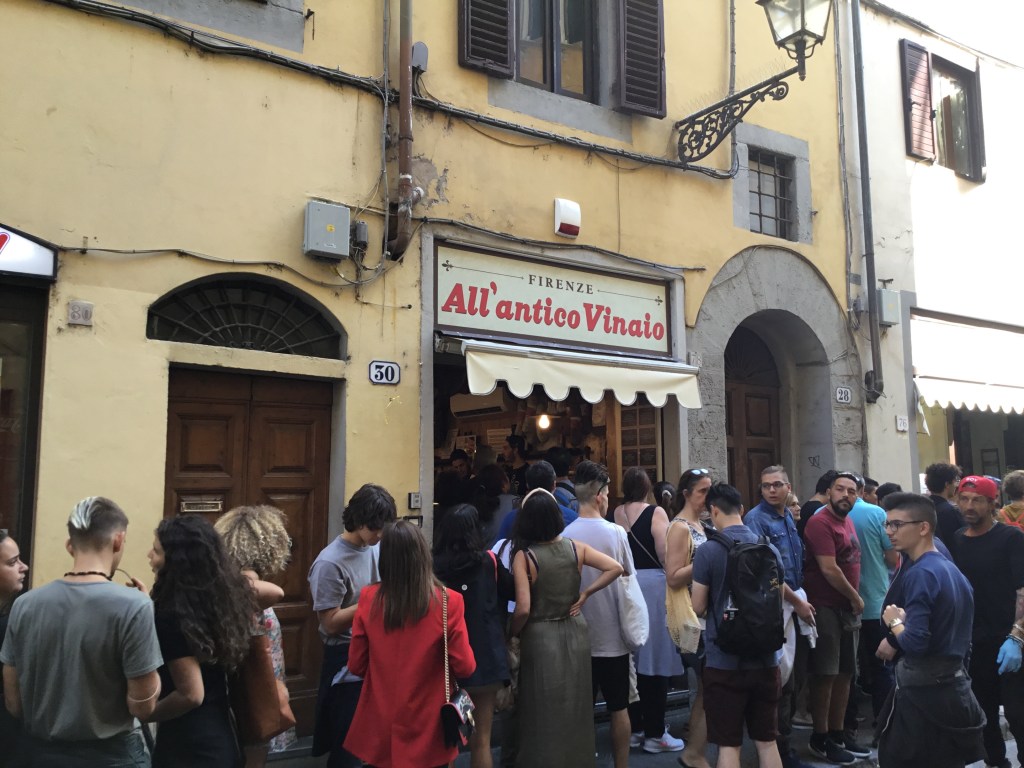
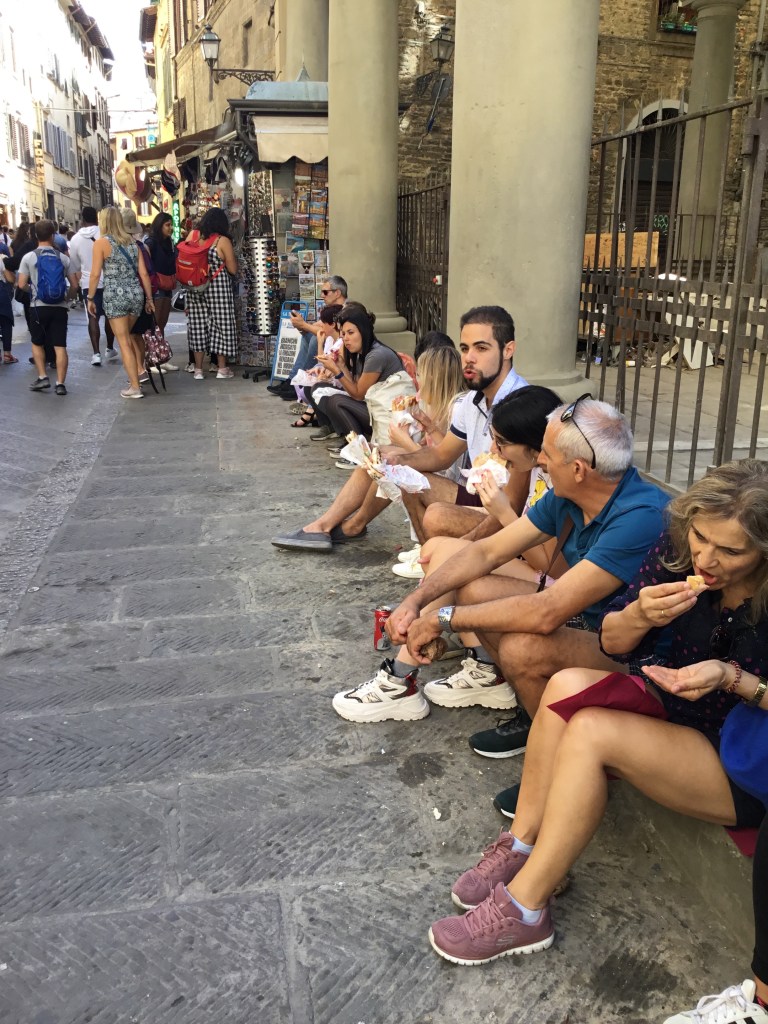
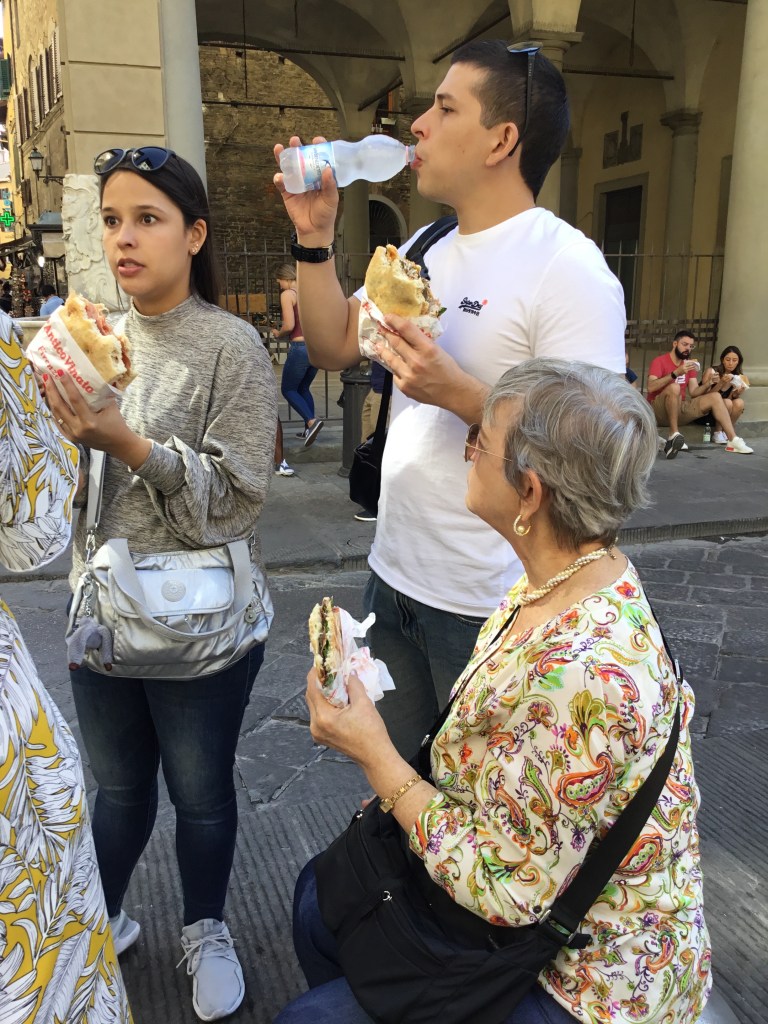
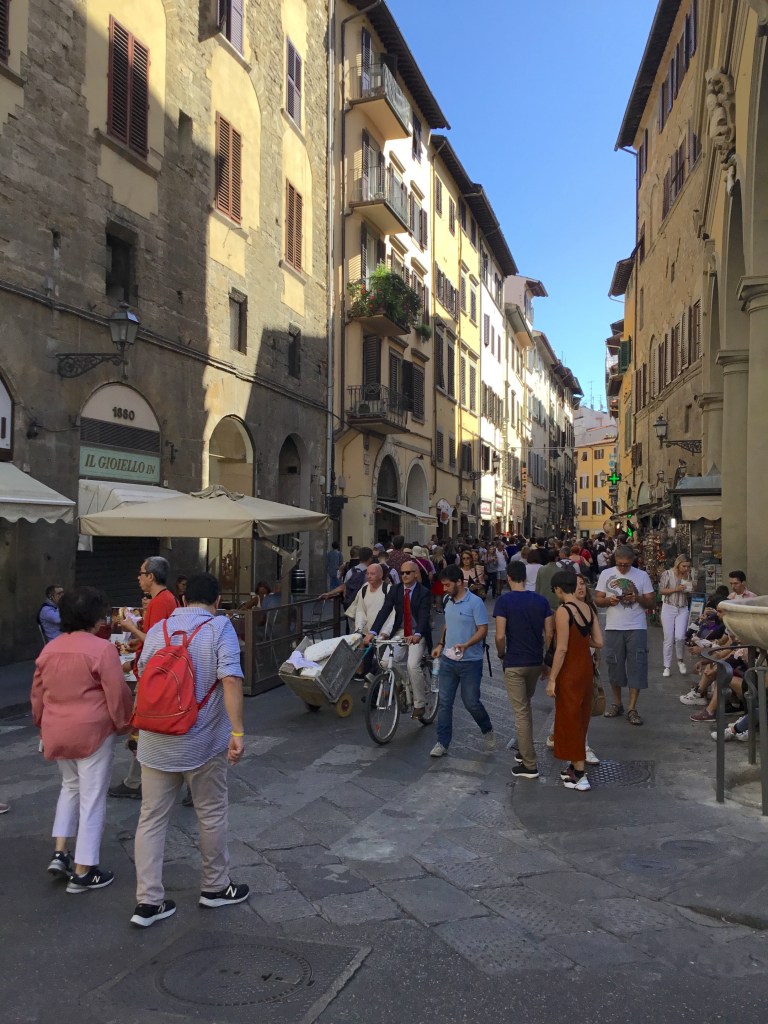
All’Antico Vinaio in Via dei Neri had been recommended as among the cheapest and best street-style focaccia but the queue stretched a considerable way along the street.
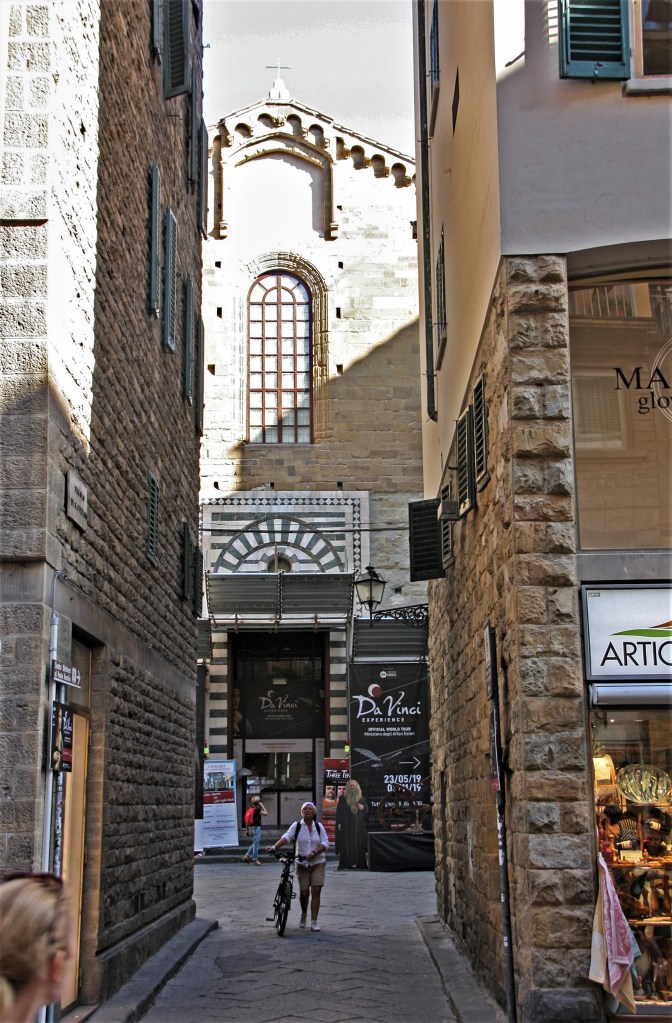
Instead, we decided to head away from the main crowds near the Florence Cathedral and Piazza del Duomo to try for a simple lunch at a restaurant in the old town.
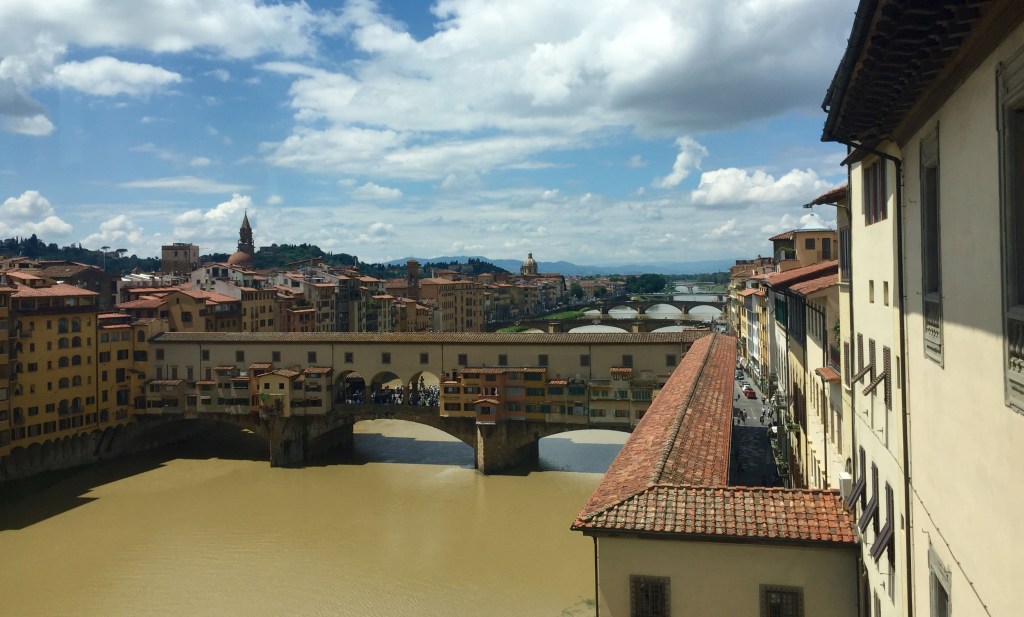
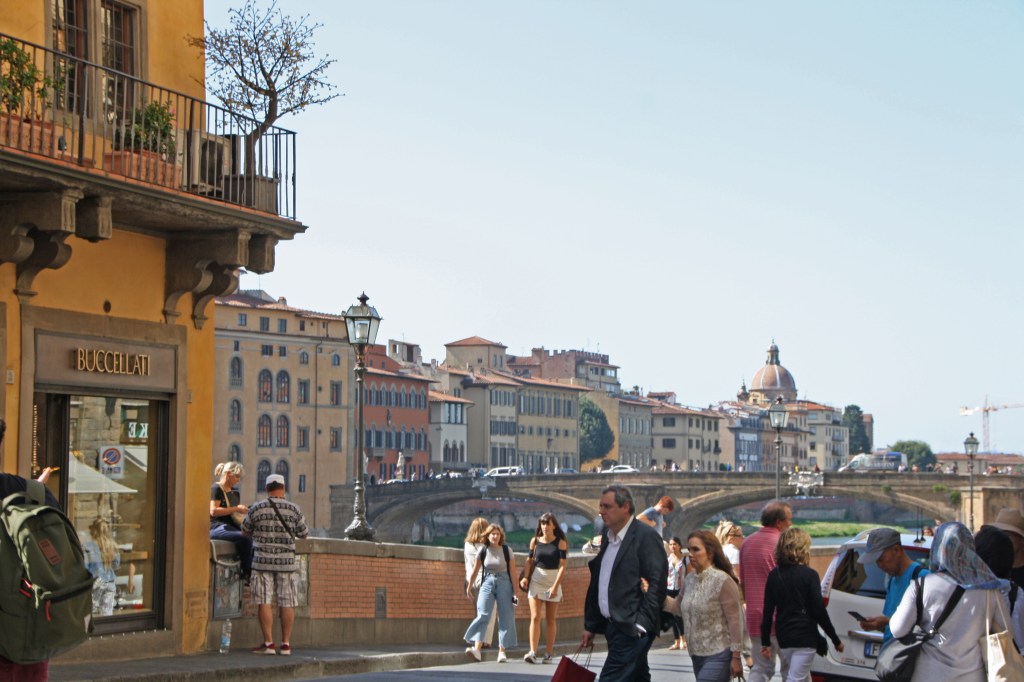
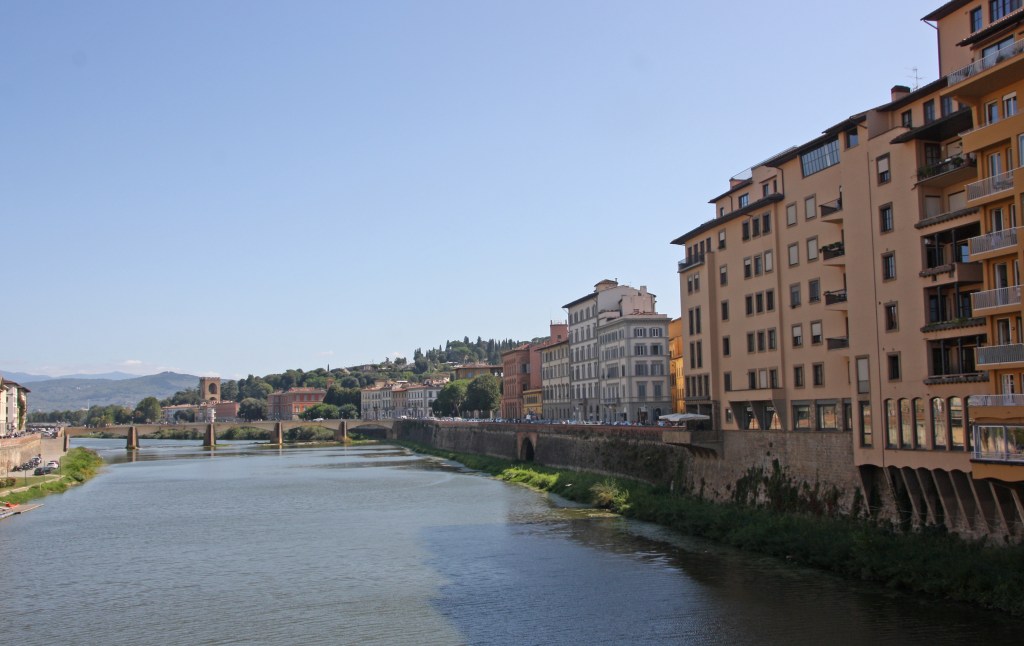
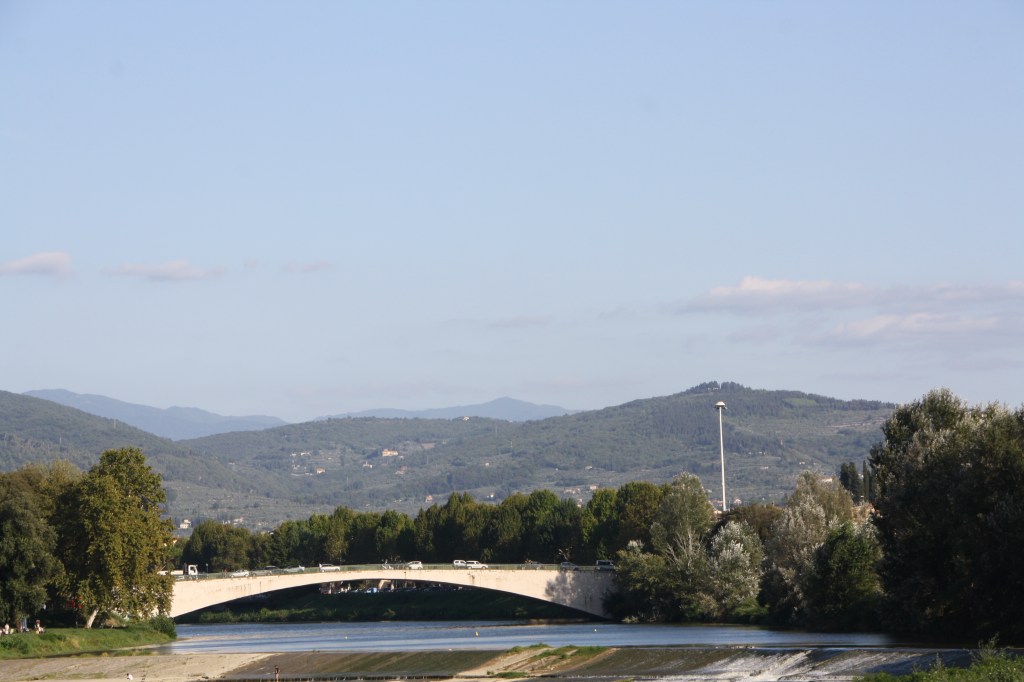
The River Arno, which cuts through the old part of the city, is as much a character in Florentine history as many of the people who lived there.
Historically, the locals have had a love-hate relationship with the Arno – which alternated between the river nourishing the city with commerce, and destroying it by flood.
Ponte Vecchio, so named because it is the oldest bridge, was outside the old city and the only link in the road to Rome.
Possibly originating from Roman times or even before, floods have repeatedly damaged it but the current stone bridge has stood since about 1339-1345.
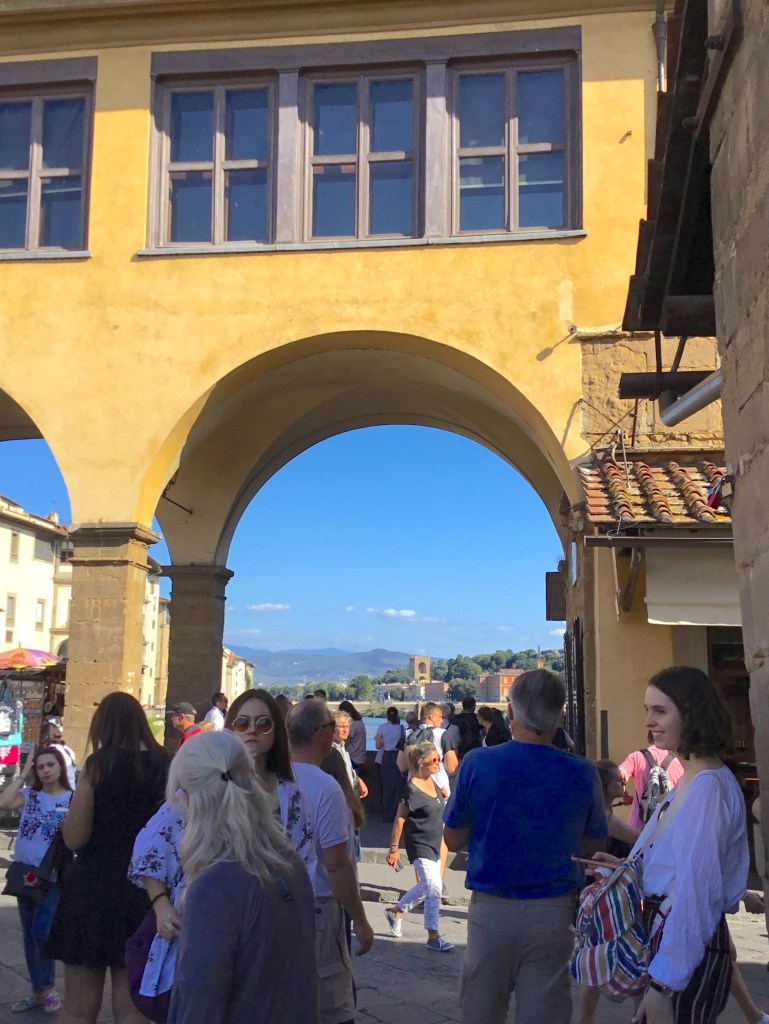
In order to connect Florence’s town hall, the Palazzo Vecchio, with the the Royal Palace, Palazzo Pitti, in 1565 Cosimo I de’ Medici had Giorgio Vasari build the Vassari Corridor, part of which runs above the Ponte Vecchio and can be recognised by its caged windows.
To enhance the prestige and clean up the bridge, a decree was made in 1565 that excluded fishermen and butchers from this bridge. Apparently they would toss the leftovers into the river and Cosimo did not want to smell that every day, so he made it law that only goldsmiths could trade there.
However, it has also been said the reason for the corridor is that Cosmo didn’t want to walk among the common people.
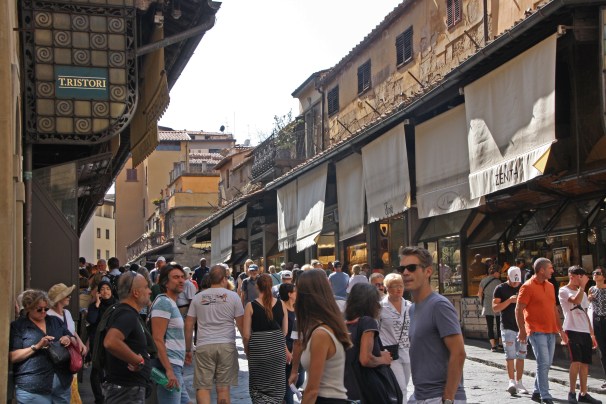
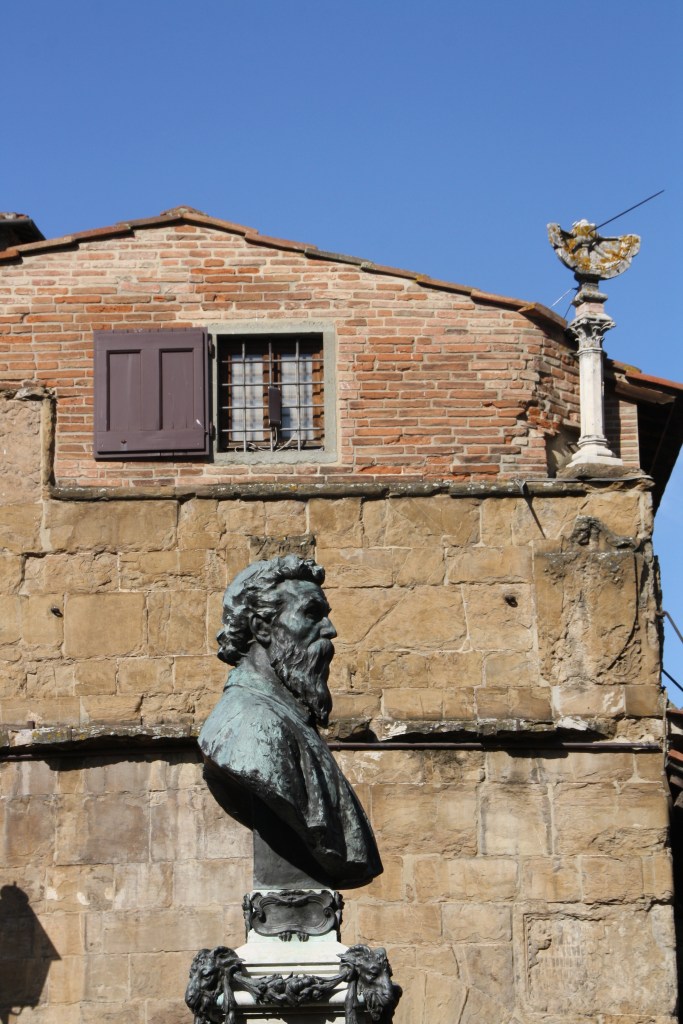
The bronze bust on the Ponte Vecchio honors Benvenuto Cellini, a 16th-century sculptor and master goldsmith.
Sculptor Raffaello Romanelli created the monument, which was placed on the bridge in 1901 to celebrate the bridge’s long tradition of jewelry and gold shops.
Florence is as beautiful as its reputation. If possible, stay an extra day than you want to just because its worth having another night or two to walk around in the evening when its all lit up.
Avoid the height of summer due to the numbers of visitors that fill the streets.
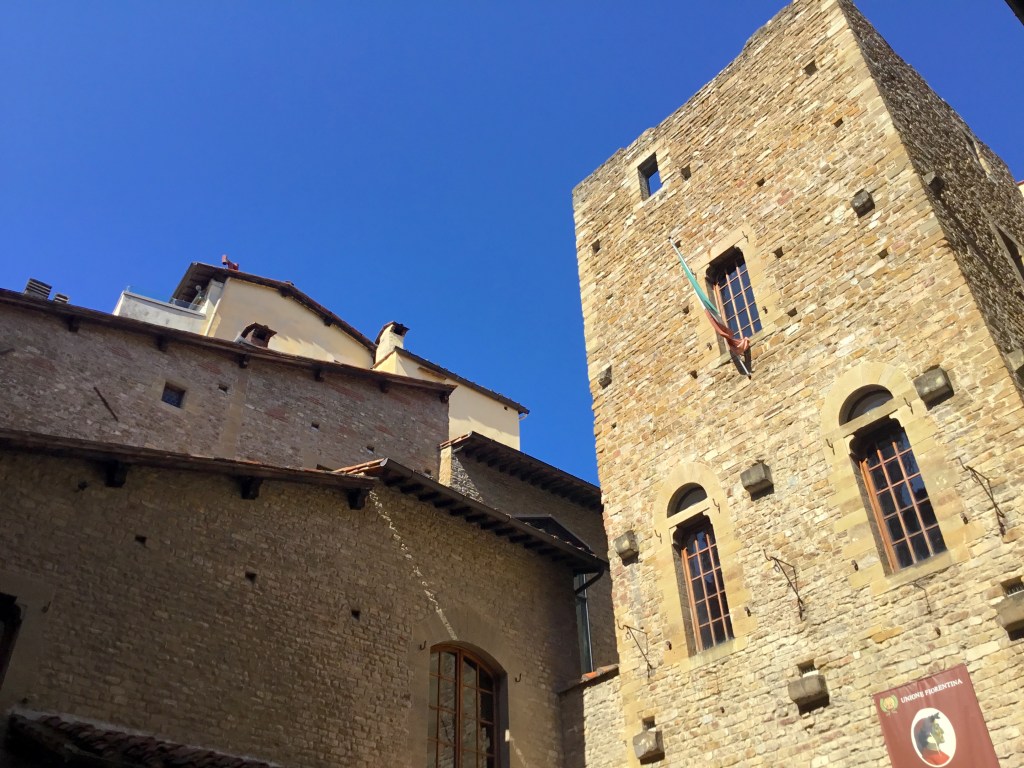
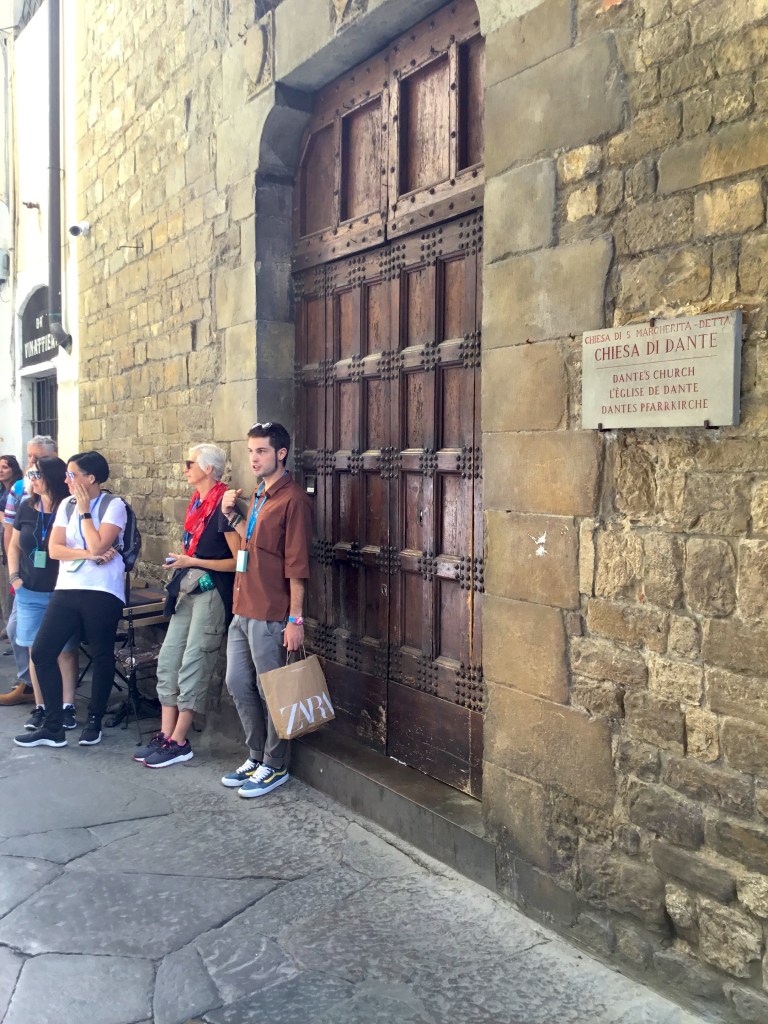
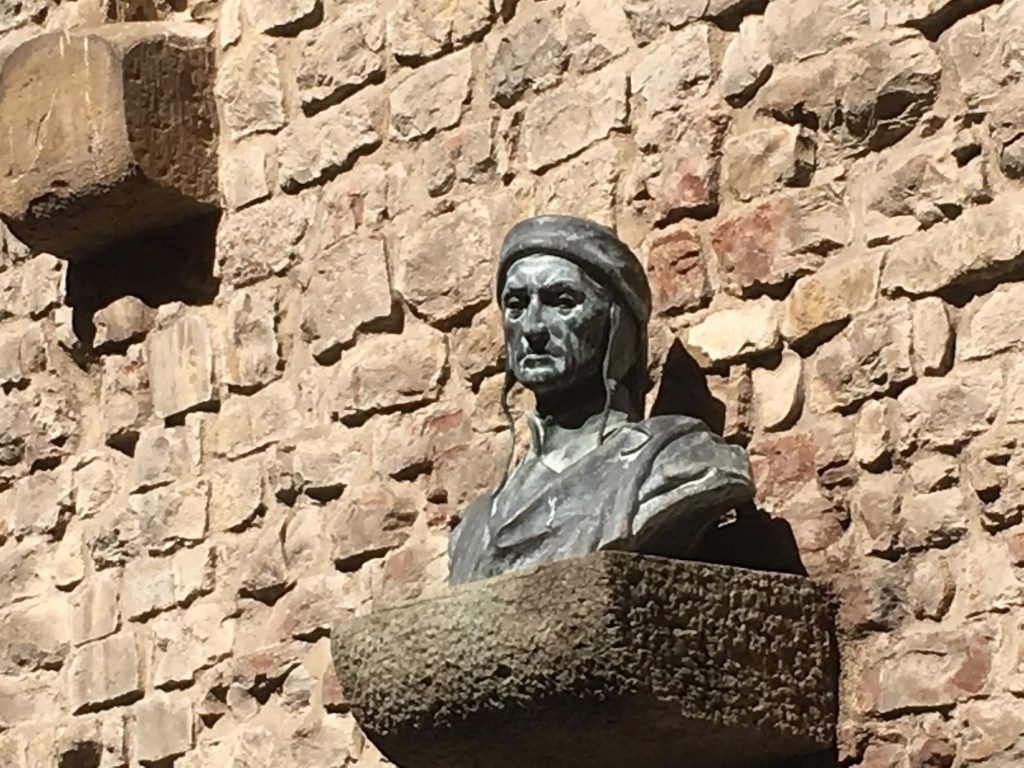
Ask a local where Dante’s house is and they’ll show you the way. It’s a nice little spot in Via Santa Margherita, before you cross the Arno, that most tourists don’t know or go to.
The Church of Dante is the Church of Santa Margherita dei Cerchi – is a humble building famous for its deep connections to the poet’s life and his muse, Beatrice Portinari.
It’s said that Dante first saw and fell in love with his lifelong muse inside this 13th-century church.
The church houses the tomb of Beatrice Portinari and her father, Folco Portinari.
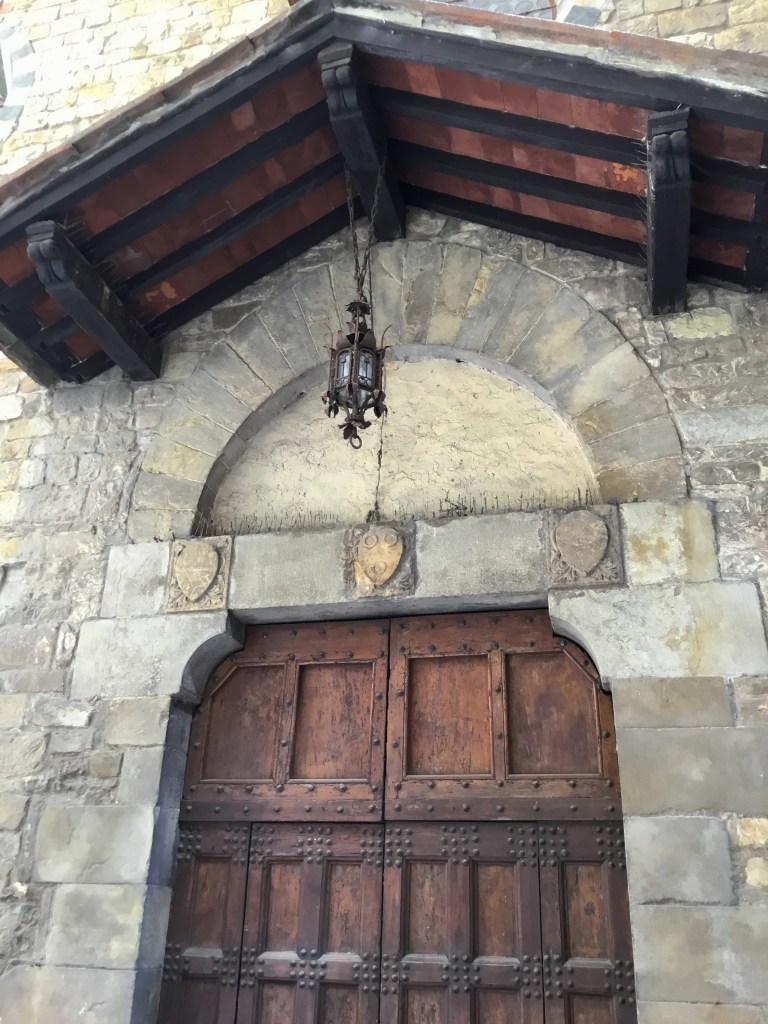
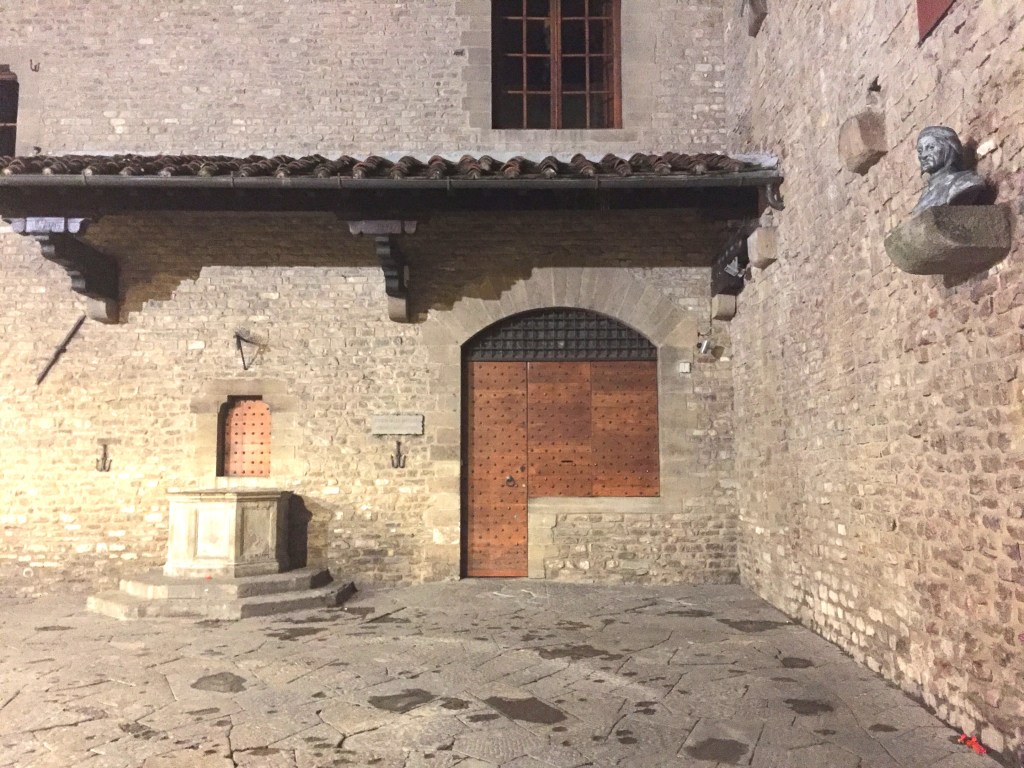
“In the square you’ll probably find an old man feeding pigeons,” my daughter had said. “He will get the pigeons and other birds to feed from your hand.
“Then he will talk at you for half an hour and eventually ask for some money. It’s a bit unfair but the experience is nice.”
In Florence, the Giardino di Boboli are lovely gardens if you want a view over the city. It takes about 20 minutes to walk from the Ponte Vecchio through the streets and up the hill.
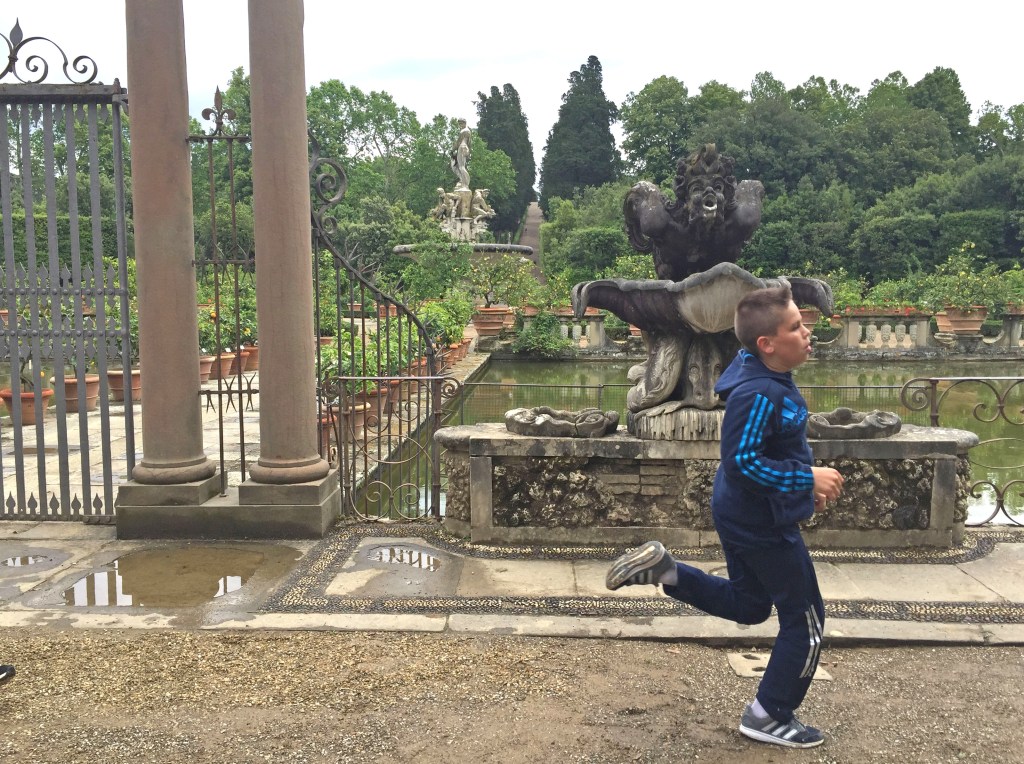
Located behind the Pitti Palace, they were designed for the Medici family in the 16th century and feature elegant sculptures, fountains, and lush greenery spread across various terraced levels.
My colleague had been there several times, even having driven to the top.
“It’s such an old garden. Very mystical, magical … under-maintained now but once it would’ve been glorious.”
The fountains are a bit covered over but the structure of the gardens is gorgeous, according to my daughter.
“Block out half your day for a long breakfast at Pasticceria Ristorante Giorgo, below the Boboli Gardens,” she had recommended.
“The pastries are unbelievable, and the ladies in pink behind the counter are lovely. Eat one of everything, and then get a tray of biscuits to take away and snack on as you explore the gardens.”
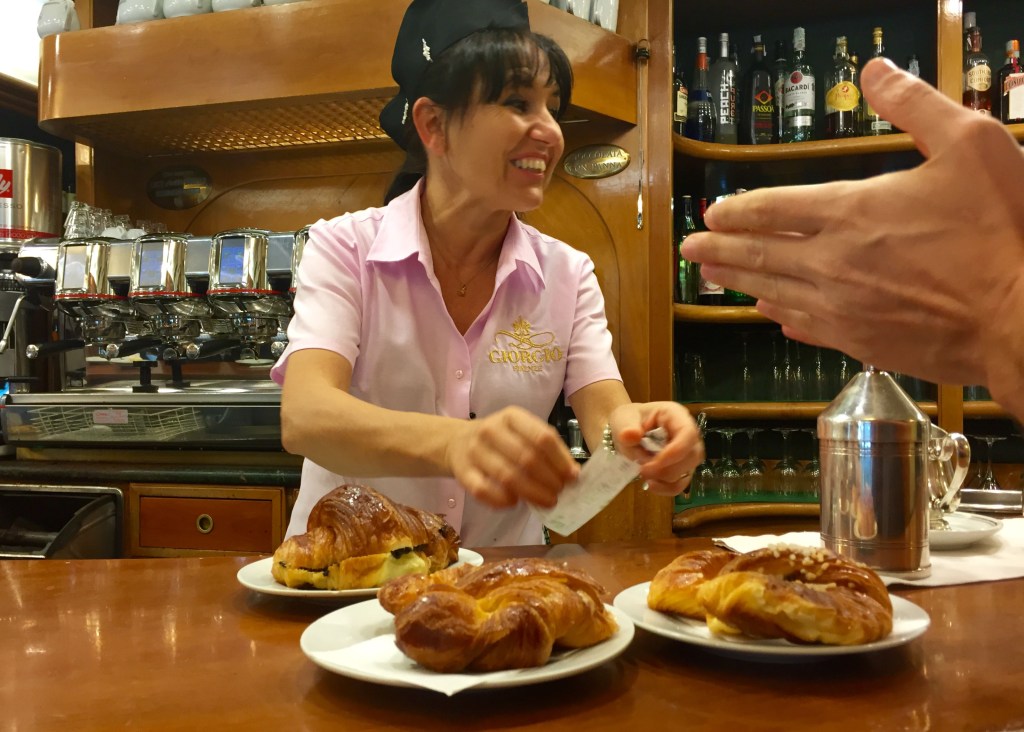
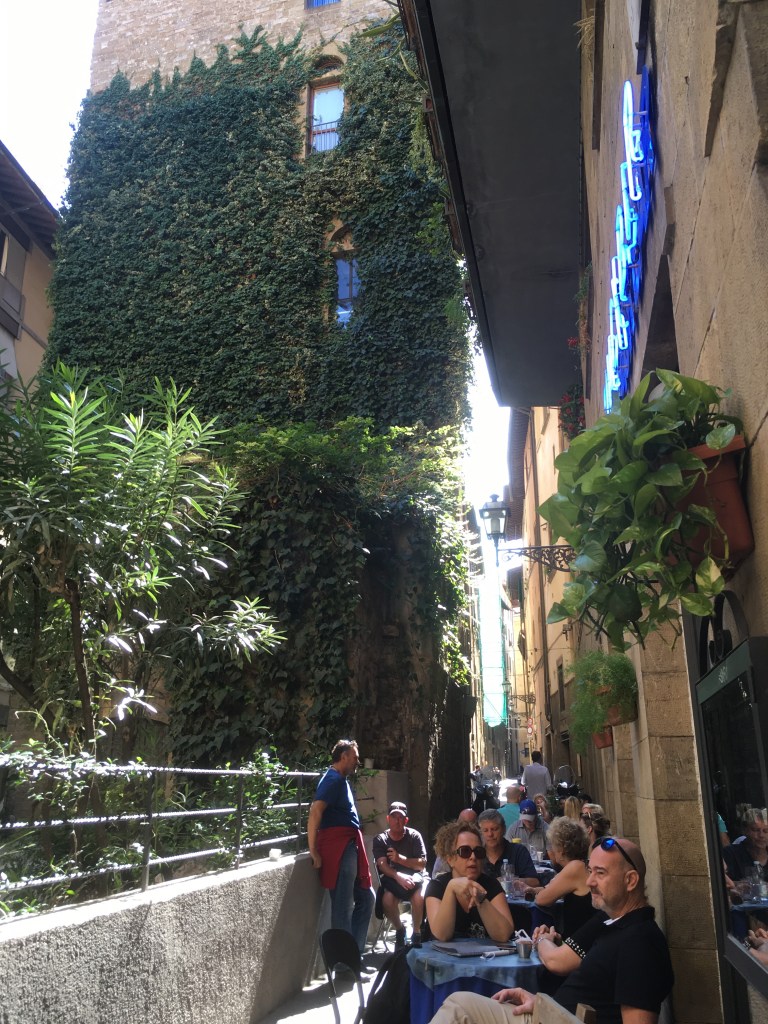
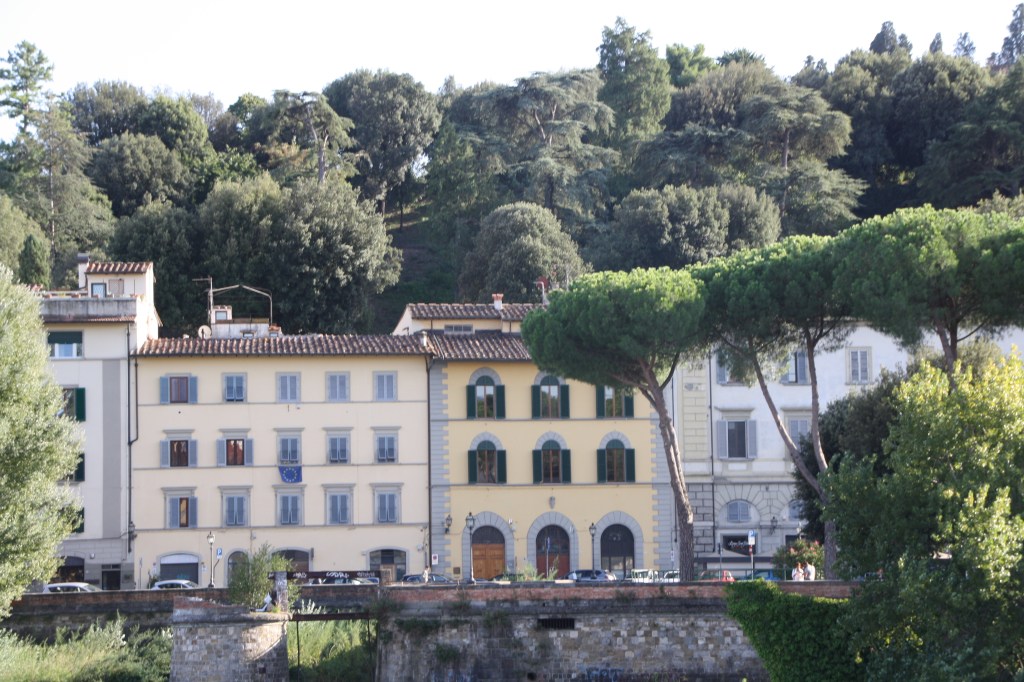
Crossing the river had been like crossing into a different multi-dimensional zone – almost a different time zone as it seemed the streets were filled more with locals rather than tourists.
And you had the aroma of beautiful authentic food.
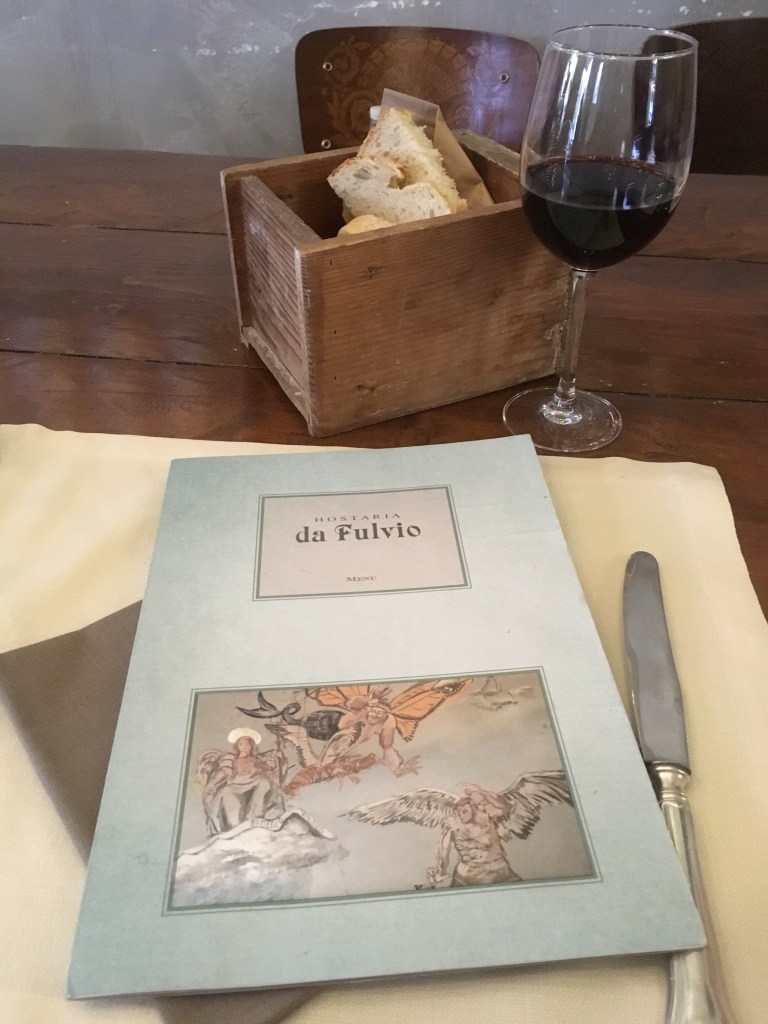
Eventually we stumbled upon a restaurant off the main street – Hostaria Da Fulvio with its quirky yet at the same time traditional decor: cartoon characters and historic themes.
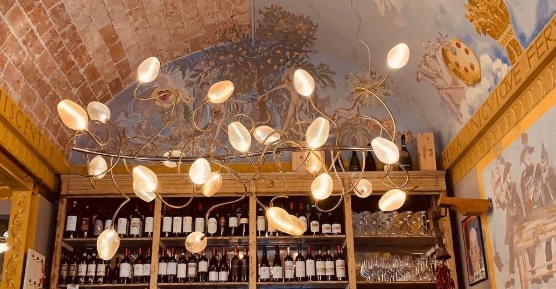
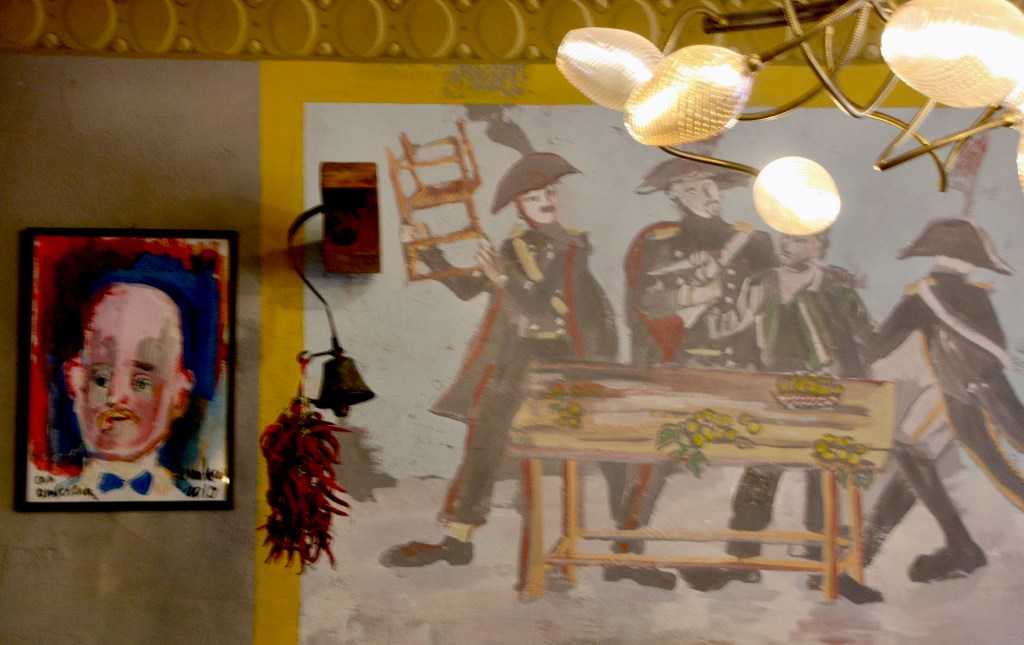
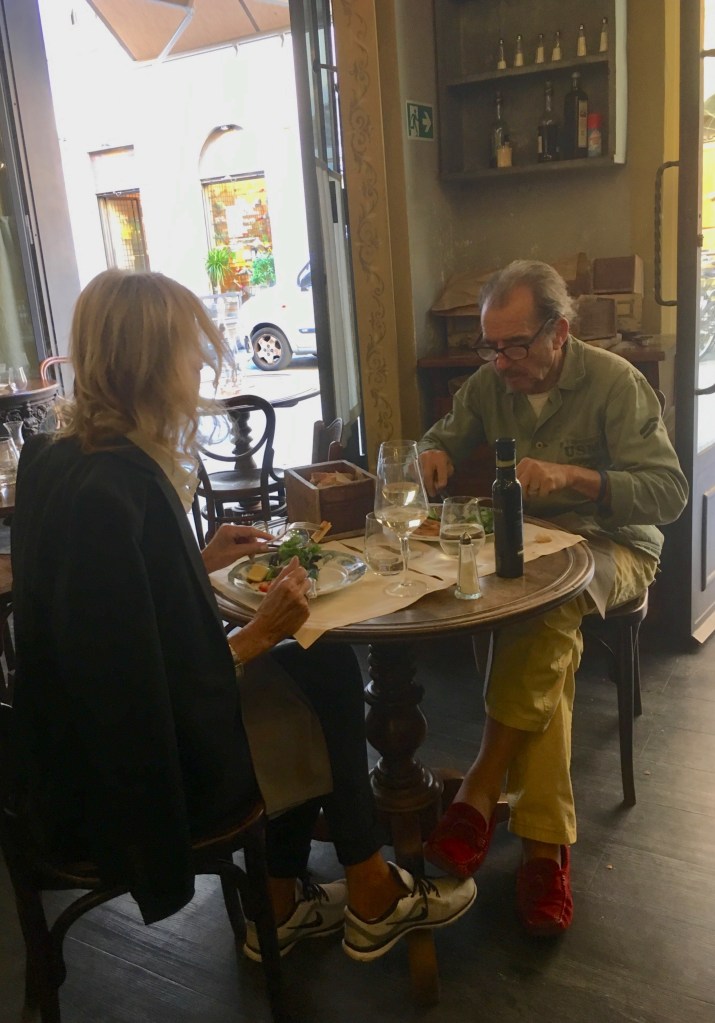
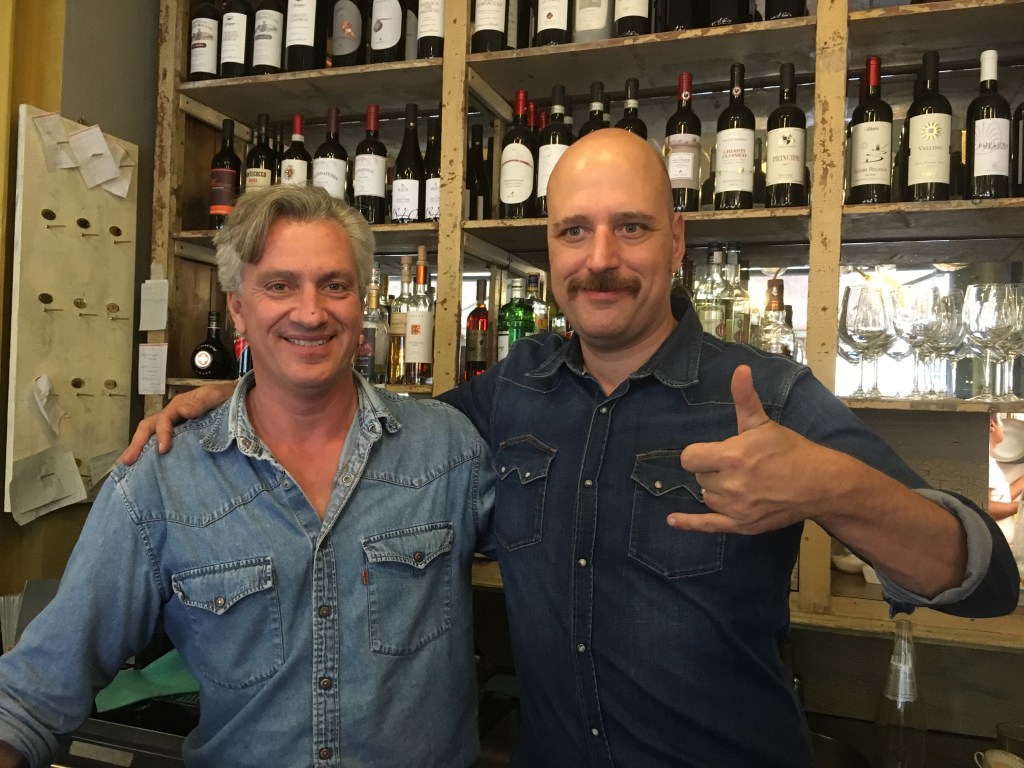
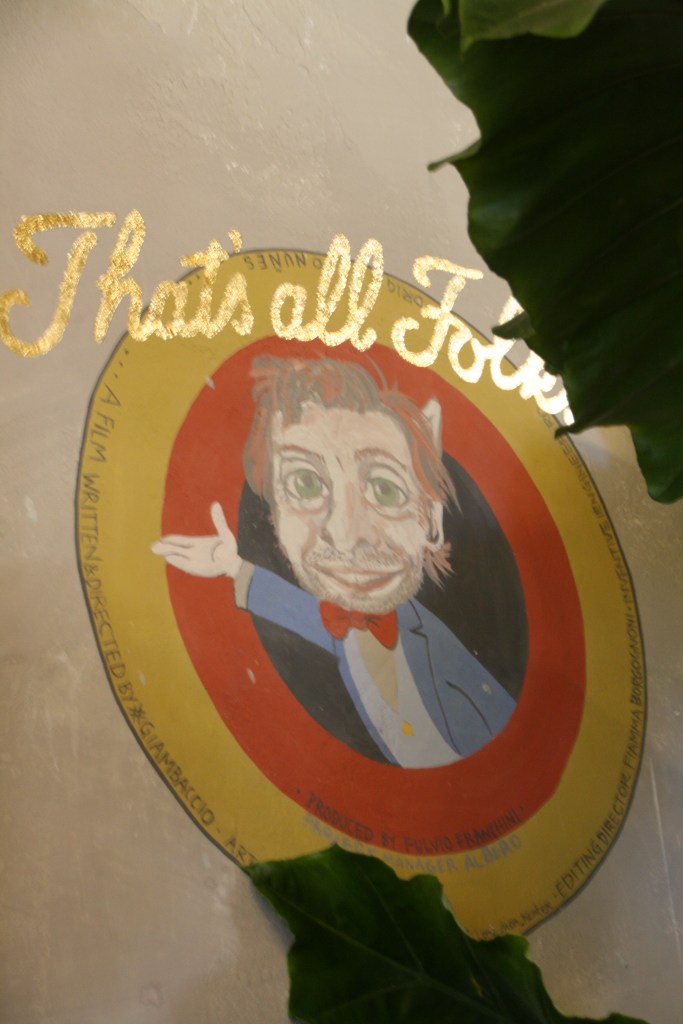
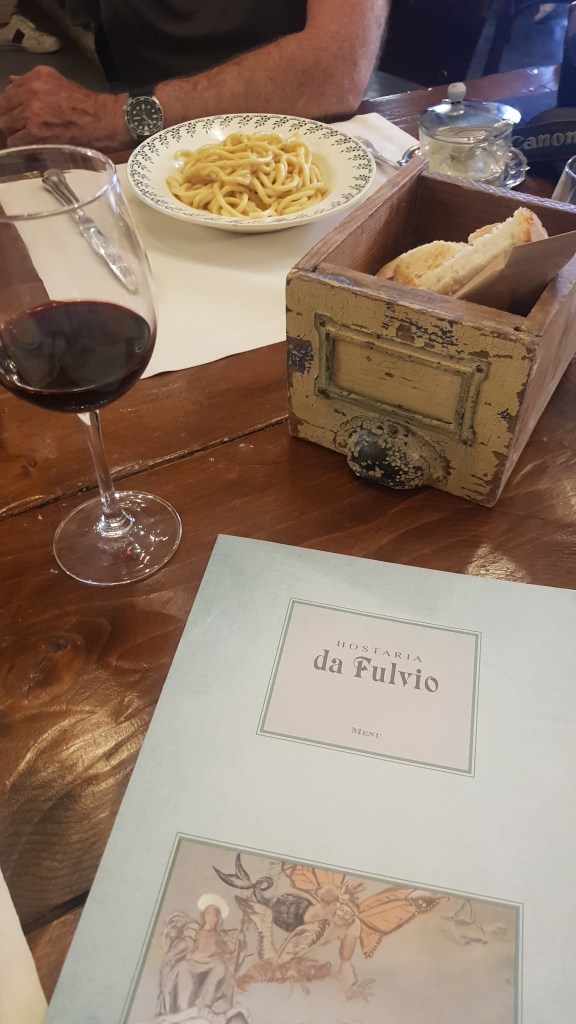
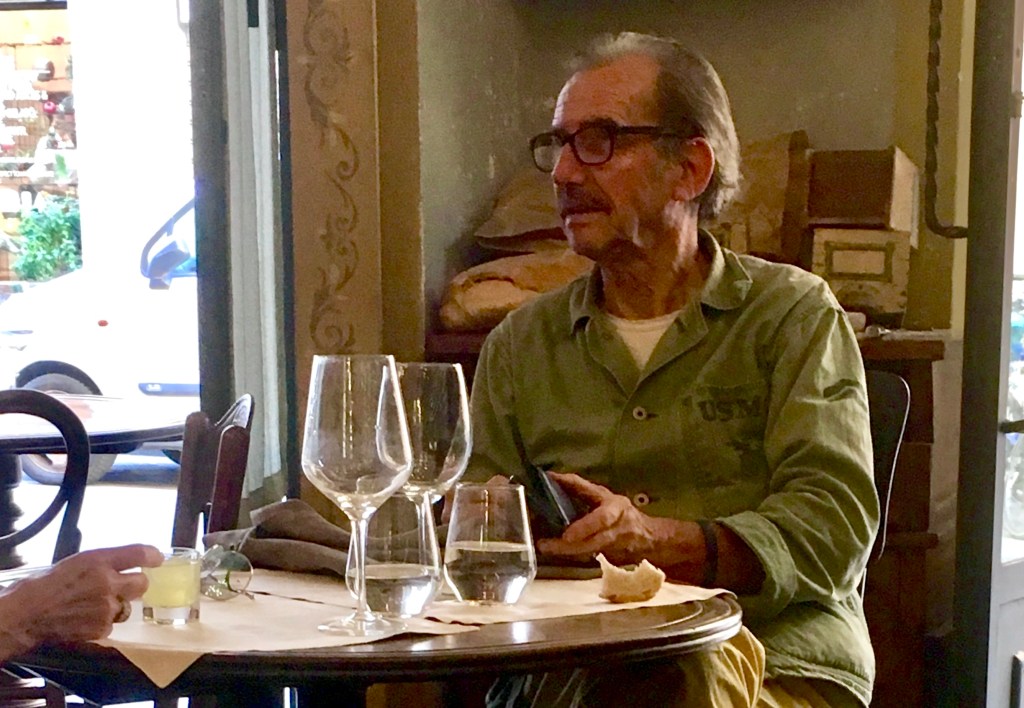
The hospitality of the staff was welcoming … casual in that they didn’t stand on ceremony yet were professional. They were just really warm and welcoming, and passionate about their menu.
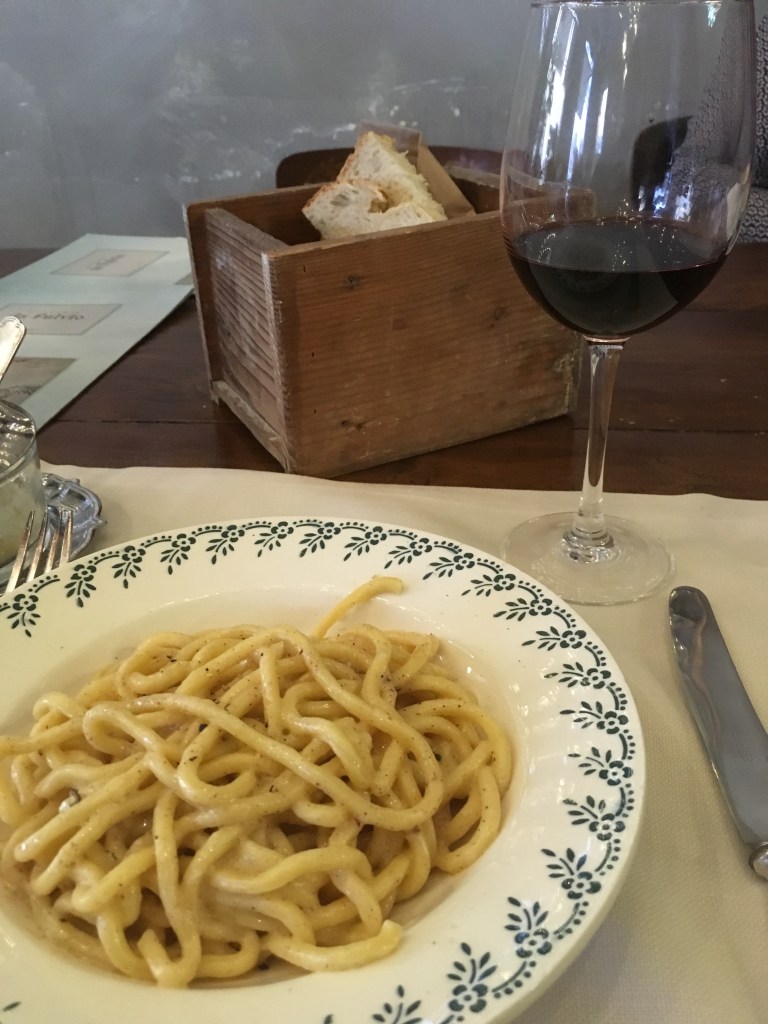
Yes, they served cacio e pepe.
They talked about their menu and told their story.
We were struggling with our Italian but then one replied in good English – he had been to Australia on a working visa and loved the beach culture.
Apparently cacio e pepe started in the 17th century from pecorino cheese and pasta … a shephard’s dish as the non-perishable ingredients could be used following the seasonal movement of their flocks.
Black pepper was included in the 18th century as the spice became more readily available thanks to the growing trade with Portuguese, the English and the Dutch.
It became part of a peasant cuisine. There is no olive oil, no butter and no cream – just the pasta cooking water the cheese and the black pepper.
When black truffle is in season grate it over the top and the cacio e peppi takes on another dimension.
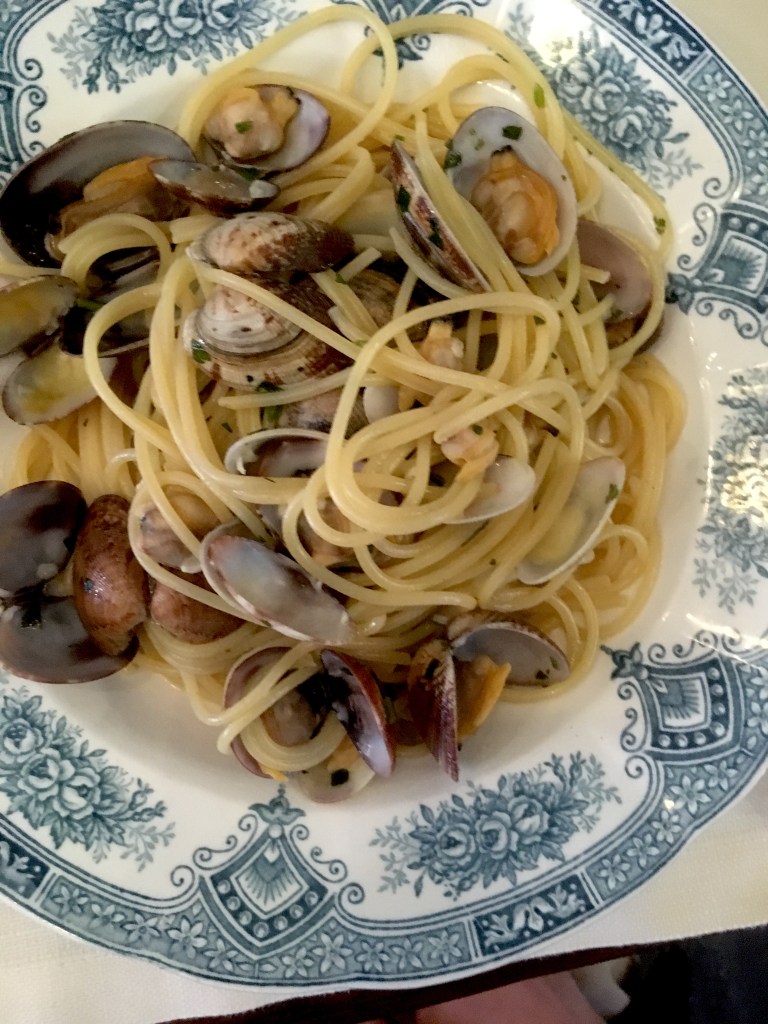
My colleague ordered a beautiful pasta dish – Spaghetti vongole e bottarga.
It was a reminder of a similar dish we had in the Ahr Valley in Germany. At an Italian restaurant run by people from Abruzzi.
Long spaghetti with clams and a salted fish roe from mullet or tuna, garlic, olive oil, white wine, and parsley.
Served with fresh crusty bread and enjoyed with a chianti-style red wine.
Crossing back over the river, thoughts turned to gelato.
The best in Florence can be found at Gelateria Perché No! When translated this means “Why not?”
And I’d been recommended to try the pistachio/rose or saffron/cardamon.
Florence is famous for Buontalenti, named after Bernardo Buontalenti who was a 16th-century Renaissance architect and designer.
He created an early frozen dessert for the Medici family of milk, cream, sugar and eggs.
You can tell the authentic gelato by the more natural colours, and that it is kept beneath stainless steel lids rather than puffed up for display.
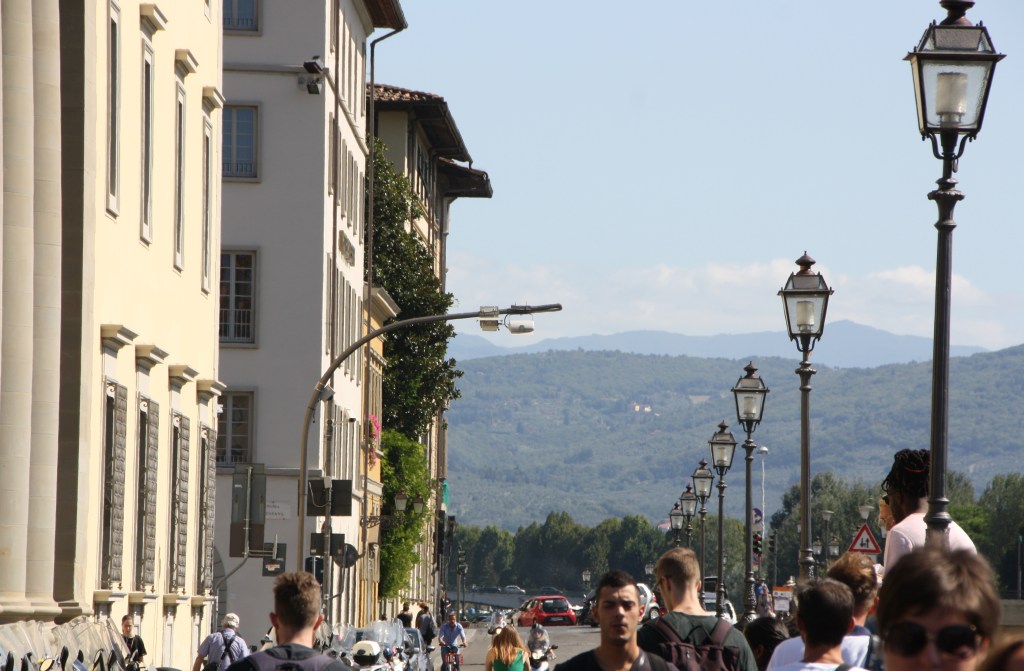
It’s the warm part of the day as we walk back towards the cathedral and dome.
Suddenly we are in the “belly button” or geographical centre of the city, and the central column in Piazza della Repubblica is the Column of Abundance (Colonna dell’Abbondanza).
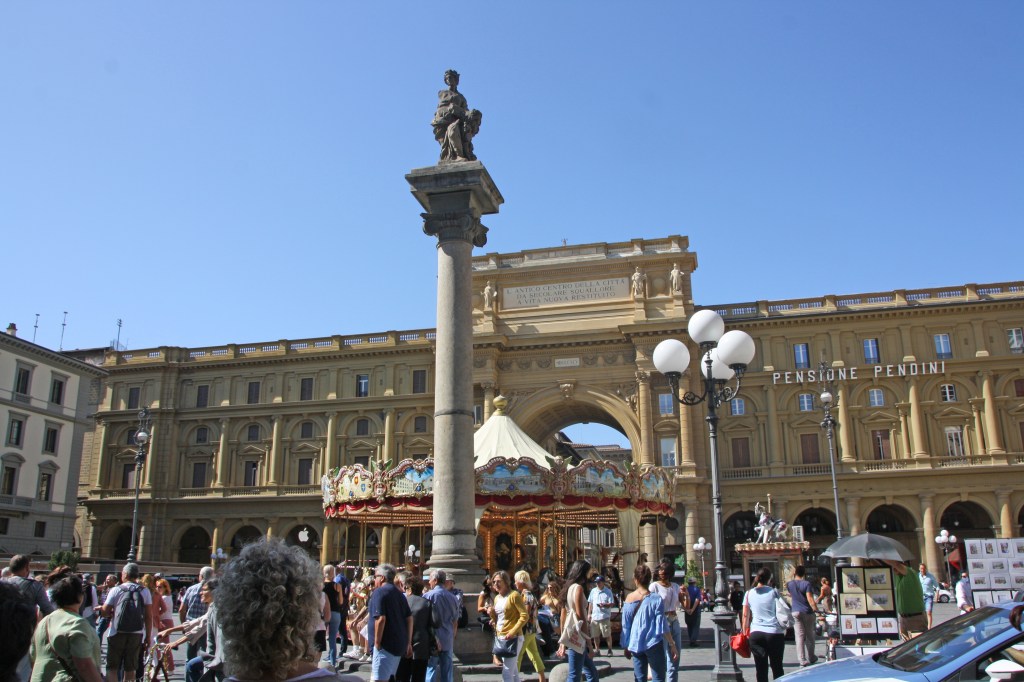
The Arcone is a large triumphal arch that honours King Vittorio Emanuele II and celebrates the renewal of the city centre.
The top of the arch features a replica of an abundance sculpture (Dovizia) originally crafted by Donatello.
A classic, antique-style hand-painted carousel is another feature of the open square, and which operates daily.
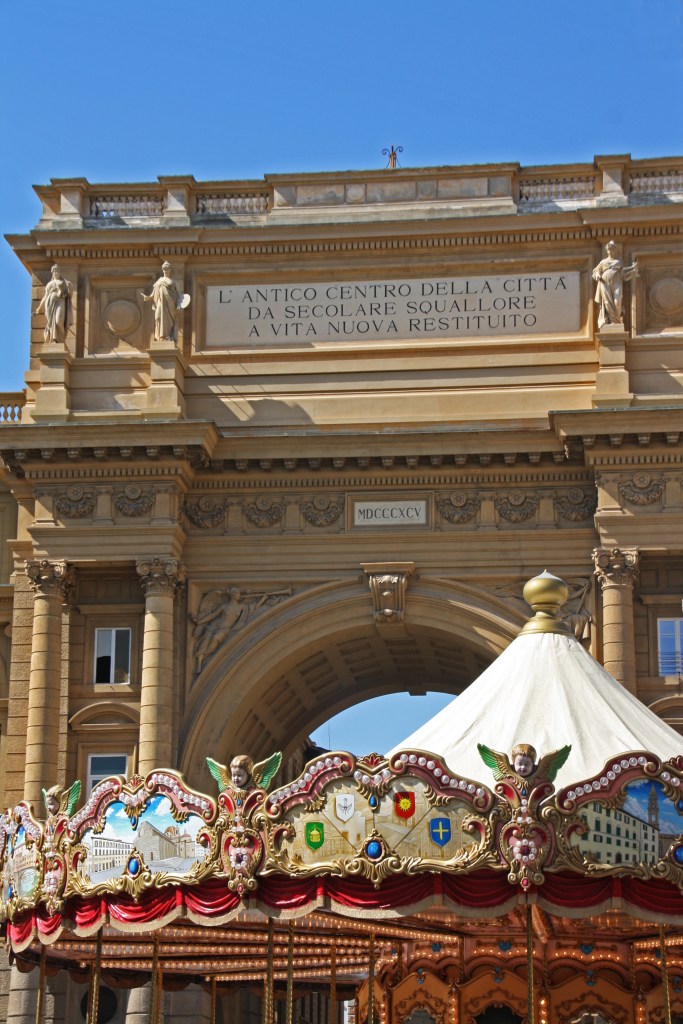
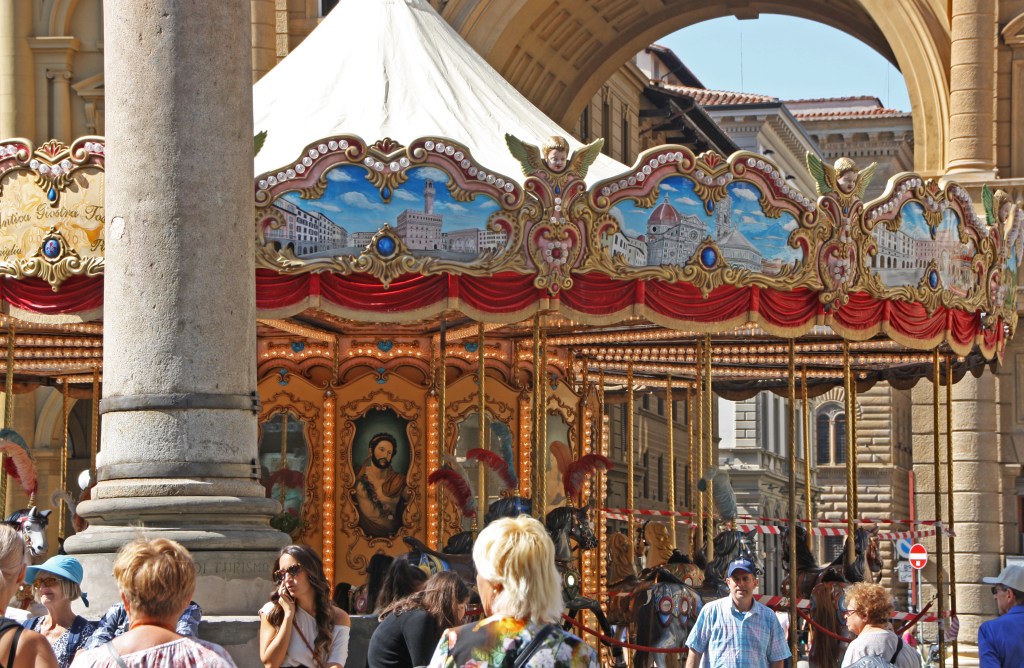
The square celebrates that a golden age had been given back to the city.
Small portions of ancient walls, and gates still remain. After 1860s the city started to develop outside the walls.
We were just wandering and being amazed by inconsequential things rather than definite landmarks – a side of Florence that we hadn’t experienced before.