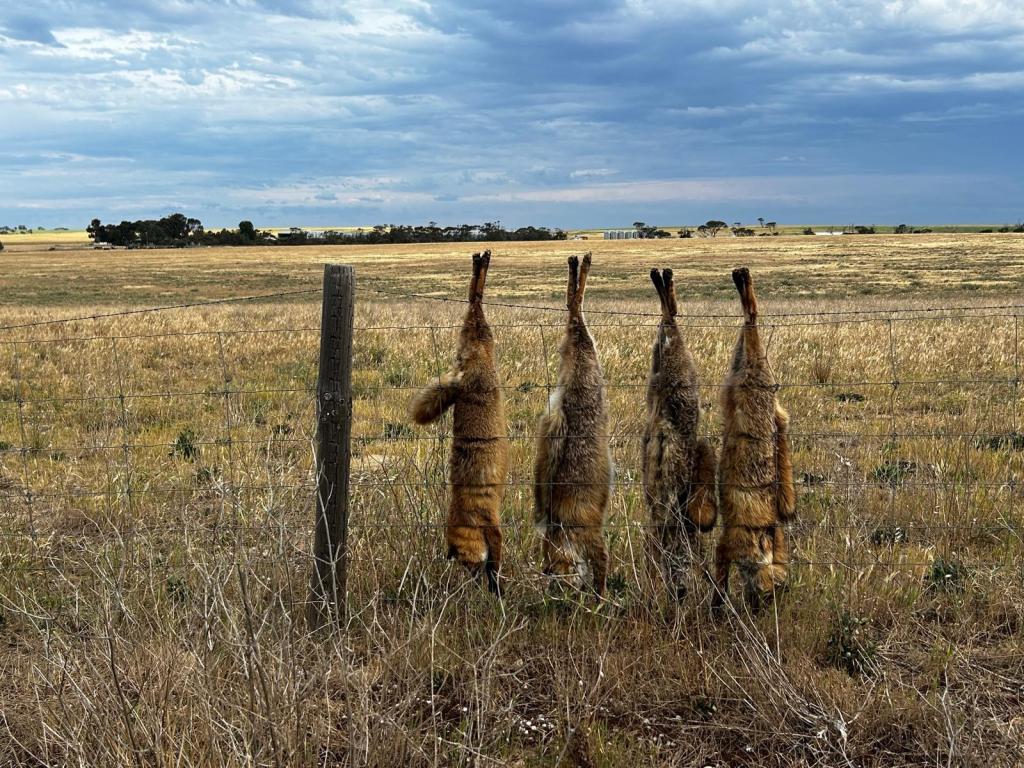
Back roads lead to new adventures
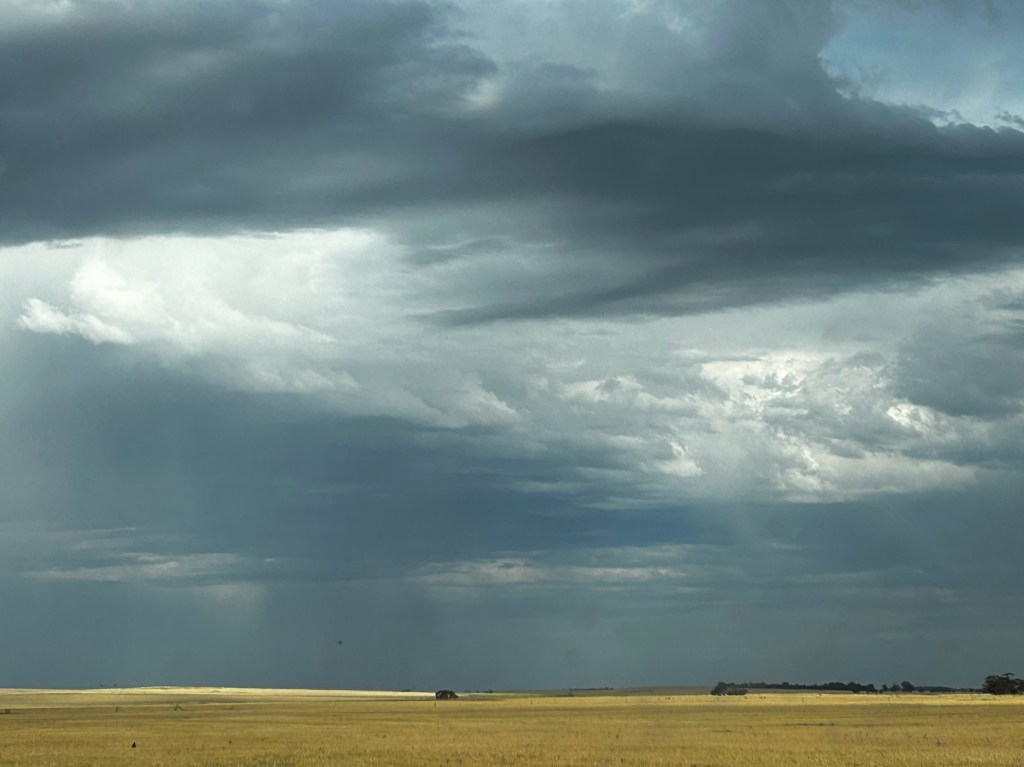
On a road trip you can find yourself going down old roads – those you have been down before. So it’s interesting to see them again and put into perspective how life and times have changed.
What can be surprising though is for someone having never been down that particular road finding there is family history along it …. an unknown chapter.
That’s what happened on our drive from the southern region of New South Wales into the north-west corner of Victoria.
We were on our way from Queensland in Australia’s north, to South Australia to cover the 2024 Tom Quilty Gold Cup – Australia’s premier endurance horse ride.
The 160km (100-mile) ride is held each year in all Australian states on a rotational basis.
For 2024 it was to be held at Wirrina Cove, on the Fleurieu Peninsula – south of Adelaide and on St Vincent Gulf.
Here’s the crazy thing … in Europe, you could probably drive through three countries in one day.
In Australia, you can drive three days and still be in one state.
However, this was the third day into our trip and we had the curiosity of having to drive from Temora in central New South Wales, through the Mallee region of Victoria and into South Australia. It was then down to Strathalbyn, probably what is considered the start of the Fleurieu Peninsula.
It was an early start from Temora. The fog was still around from the night before and we headed to West Wyalong.
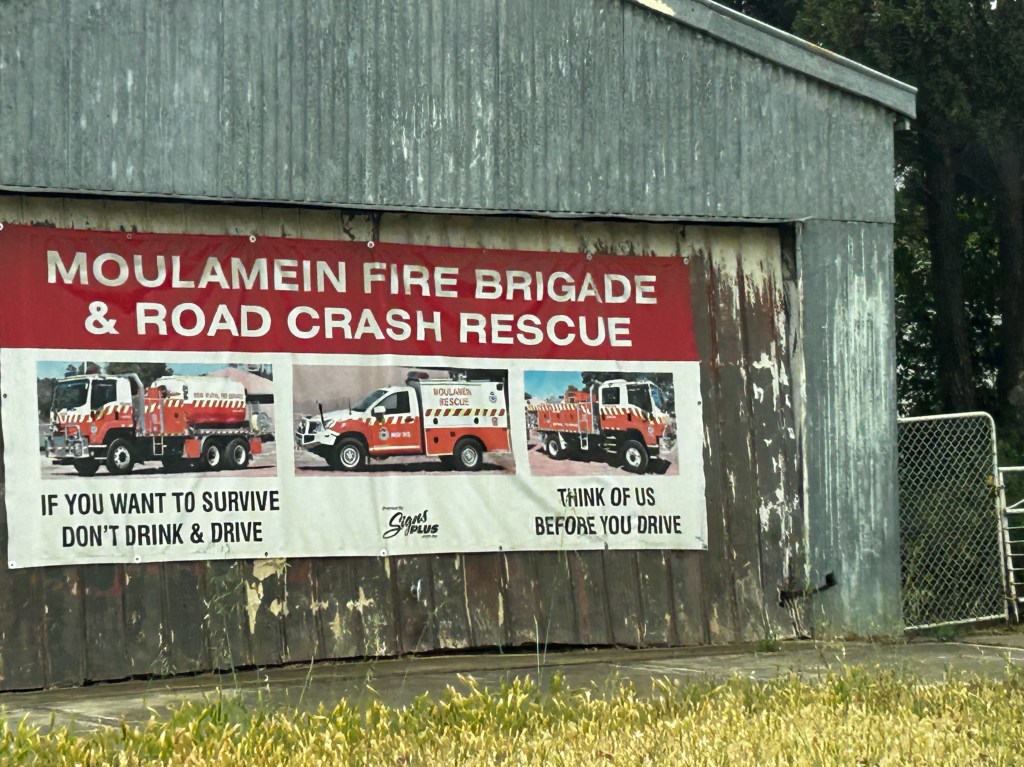
Late in the morning we were approaching Moulamein, an area I had been to long ago when visiting relatives at Nyah, on the Victorian side of the Murray River.
They had a grape block, with their produce being sent as table grapes to South East Asia or to Australian packing companies for dried fruit.
Yet coming into Moulamein there were orchards of trees – not avocados or macadamias that are found in Queensland, not almonds or stone fruit trees, not leucaena that can be used as stock feed.
We stopped and discovered clumps of seeds, then identified the trees from a plant app as being pistachios.
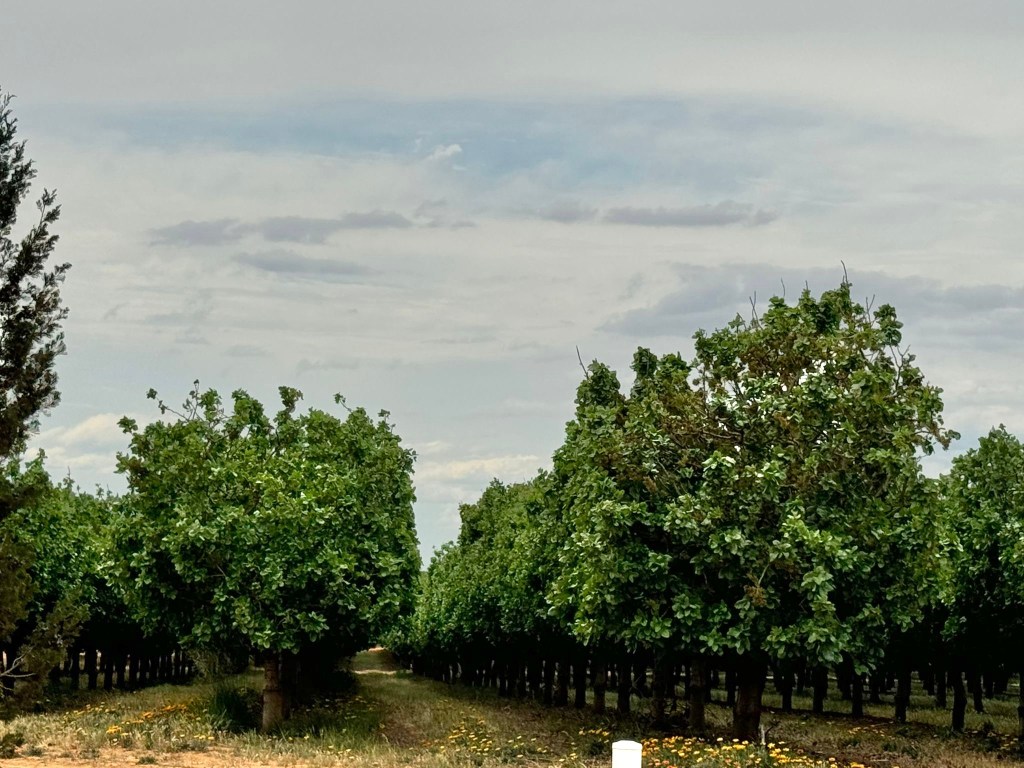
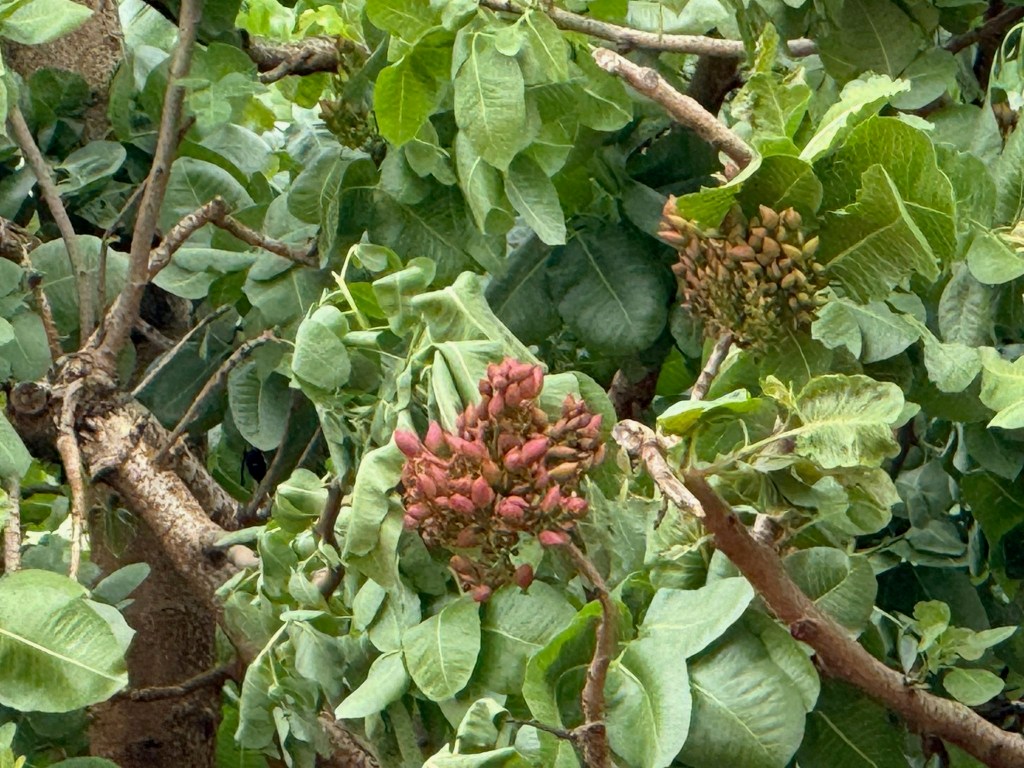
Who would have thought that the nuts for what is my favourite gelato would be grown in these areas – places I used to think were bordering on desolate.
Shouldn’t they be from the Mediterranean or Middle Eastern countries, like figs and dates? It shows the diversity of Australia’s farmland – what was cattle and sheep country is now under more intense farming.
Back in my school days while visiting our uncle and auntie at Nyah, they would take us fishing to exotic-sounding places across the river in New South Wales such as Goodnight, Tooleybuc and Boundary Bend.
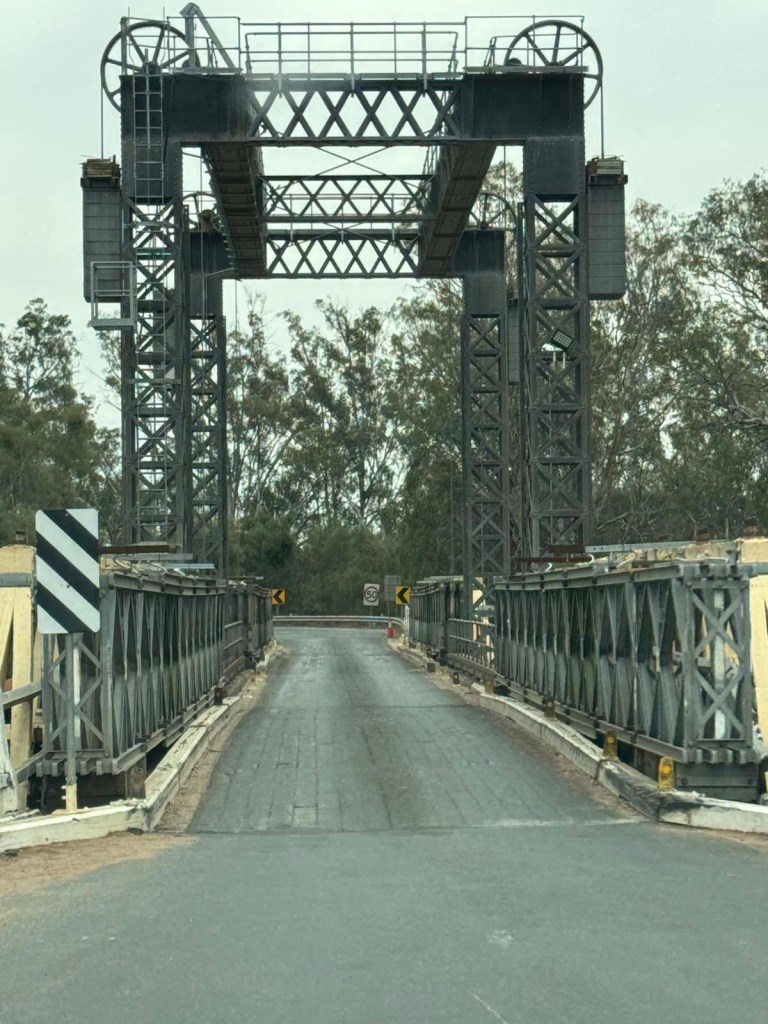
That’s where we crossed the river on this journey – on one of the landmark lift bridges that allowed the paddle steamers to ply the river from the estuary in South Australia, right up to the port in Echuca and Moama.
Wheat and wool were the initial cargo, then timber railway sleepers for the new system of transport that was to eventually reduce paddle steamers to tourist journeys.
The next moment we were driving through the undulating farming country around Chinkapook, and some of the grain fields had salt lakes in the low areas. They were not the expansive pink lakes at Sea Lake we were hoping for and which prove such an attraction.
Time was against us and the wind was too strong. It would have ruffled the waters needed for smooth reflections.
Two endurance teams travelling in tandem ahead of us had chosen to rest the horses at Manangatang … set up camp for two nights and exercise the horses at the showgrounds.
Before they left Queensland I had mentioned there was a good racetrack there … that we used to run around it in our football days while working there.
As it turned out, they were sponsoring a race at the Manangatang Cup that weekend as a goodwill gesture for letting them camp at the Showgrounds.
Expect a great time in the town that weekend, I said, and by the following Facebook posts it certainly looked like they had a wonderful few days there.
For us, still a couple of days behind the others, it was about lunchtime as we rolled into the town and while crossing the railway line – with mobile phone coverage – the driver who was now navigator, texted her mother to say where we were.
“Manangatang? My Mum used to go to school there,” came the reply.
“When we were very young her mother took them there … from Melbourne.”
What !!! Get out of here. How could we not know about this? the driver said
Her mother then found a photo of some kids beside a timber school building, and sent it on by phone.
We had passed the new consolidated school on the way into town, so we had to try and find that spot.
But something to eat was more pressing.
Manangatang was a shadow of the once-thriving regional town of when we would visit with my work.
The pub, once a busy community watering hole of a Friday night, looked lonely. It had a chalk board announcing evening meals or snacks during the day.
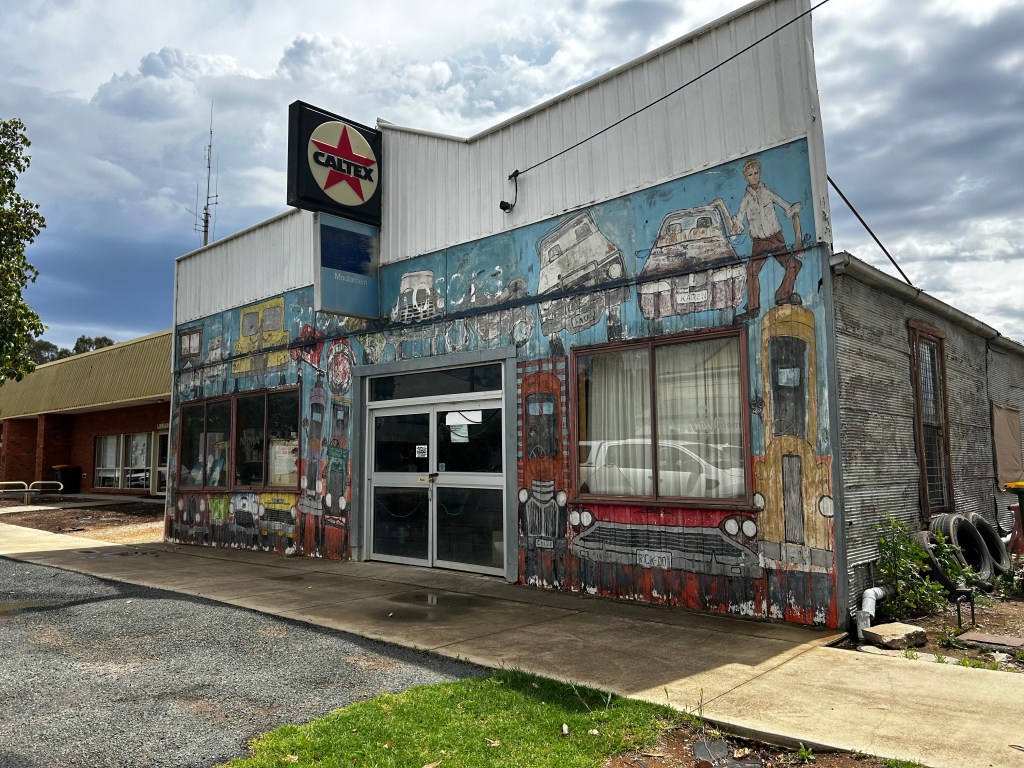
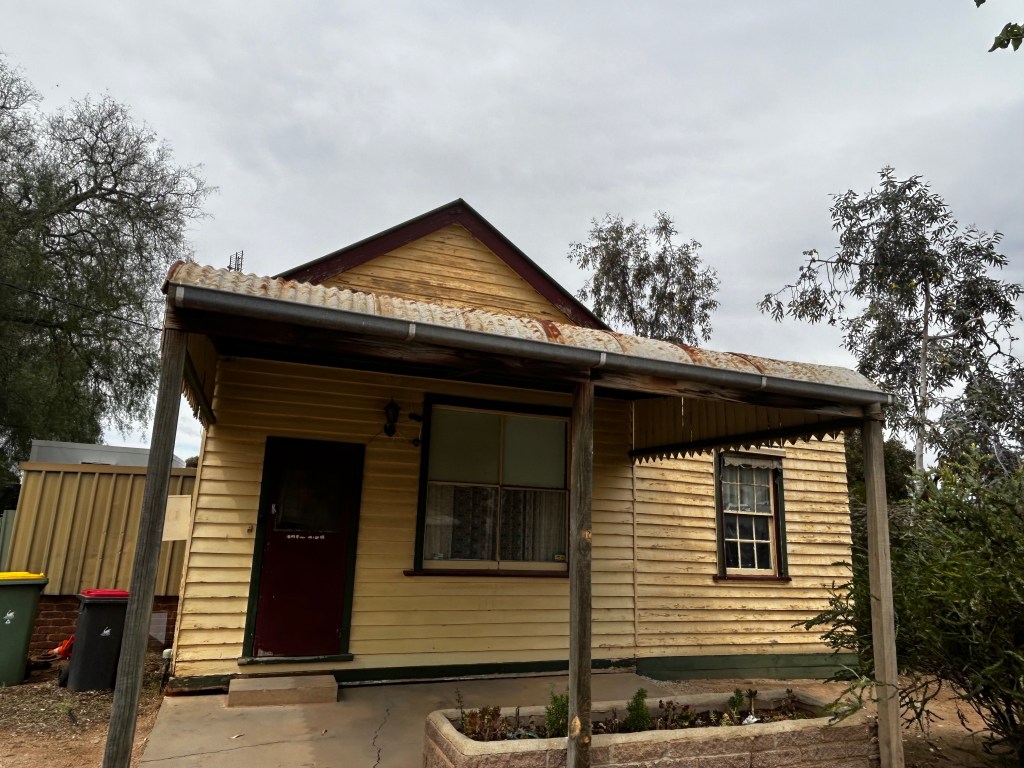
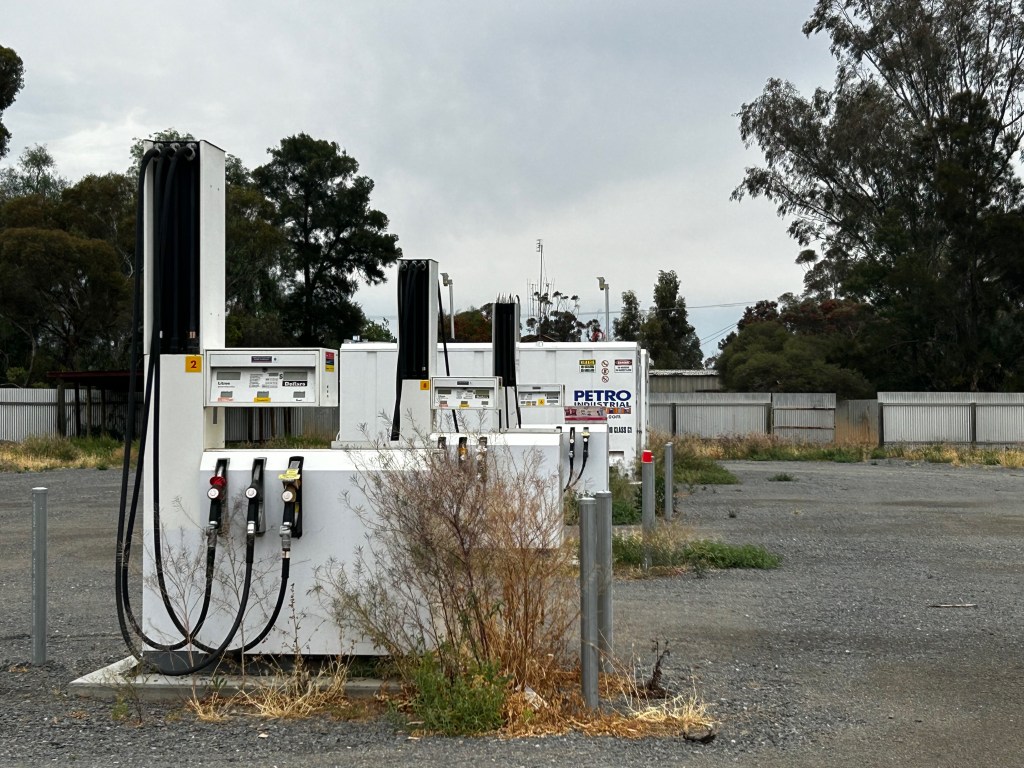
The service station and mechanics workshop was closed – just self-serve.

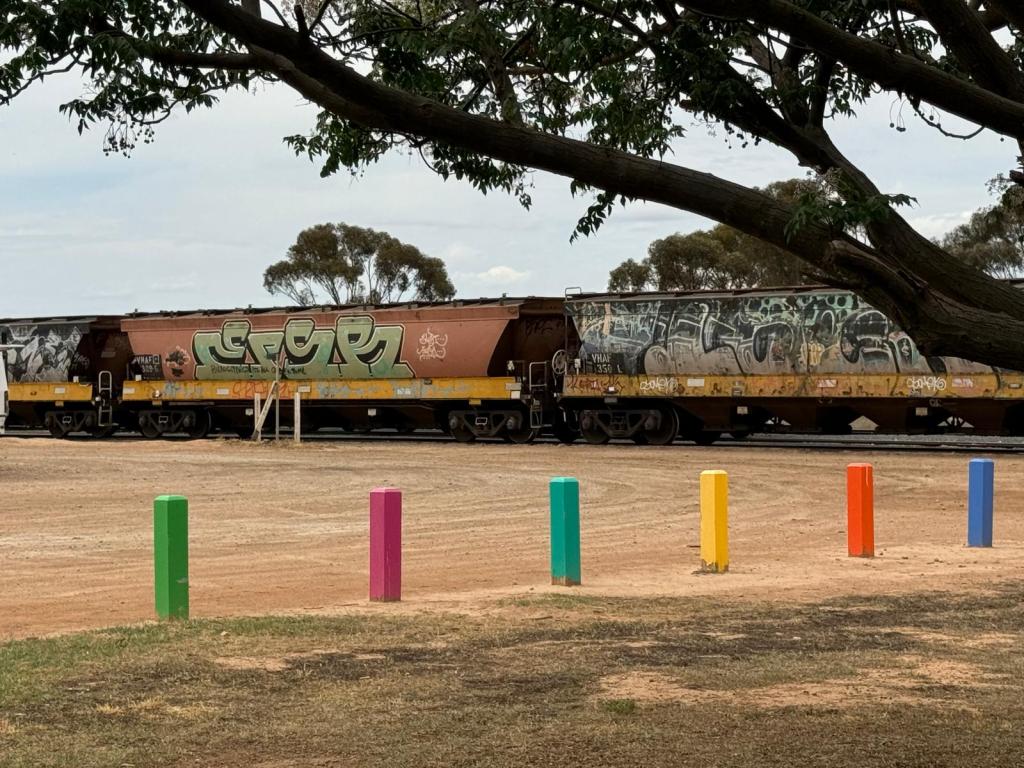
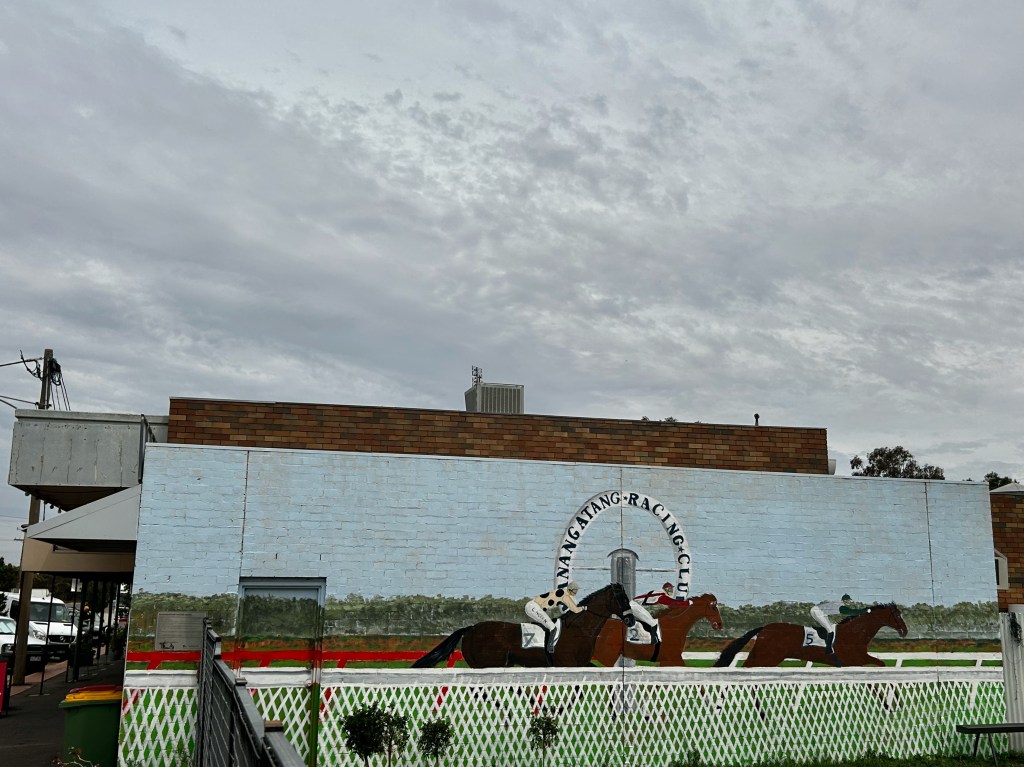
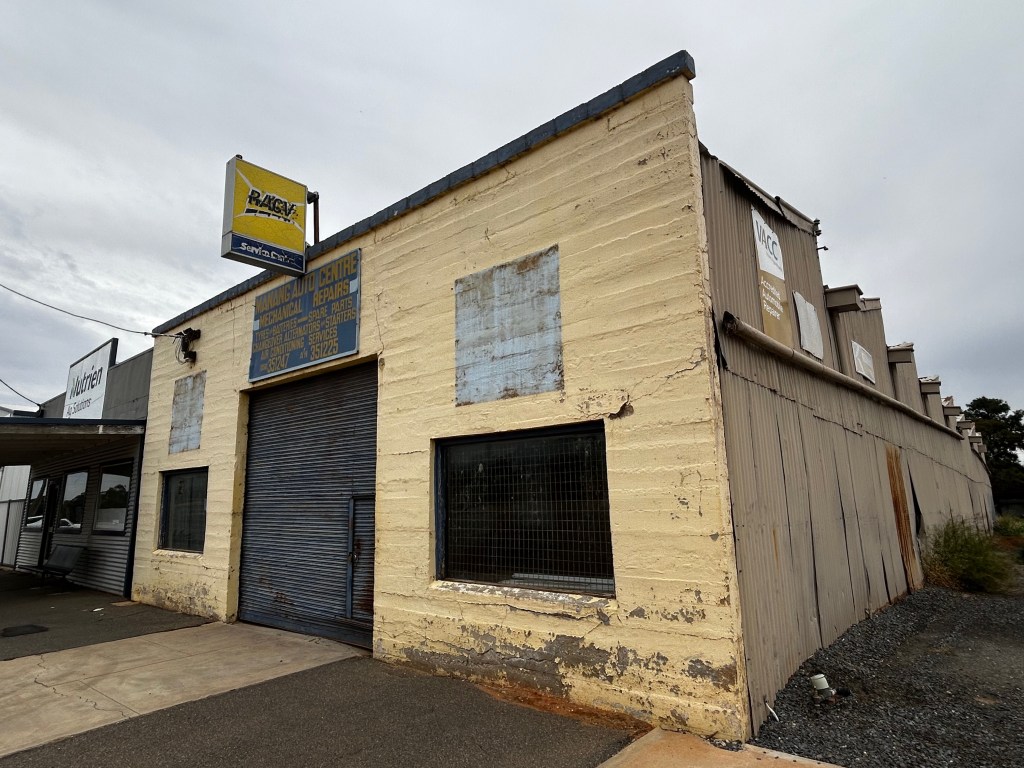
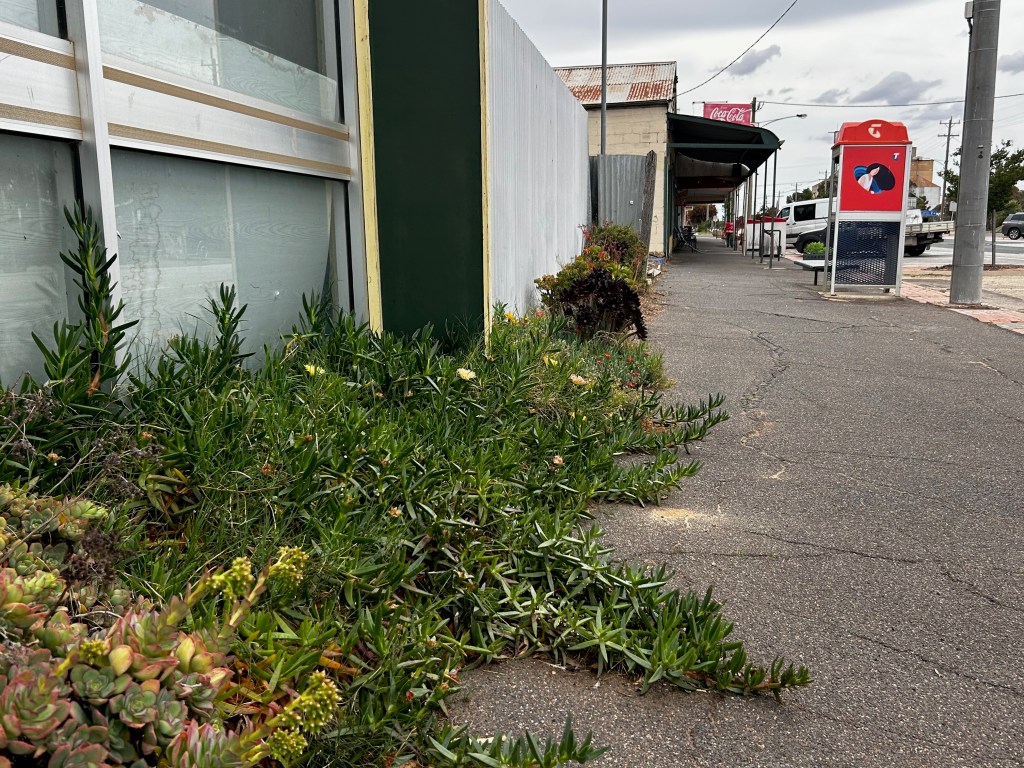
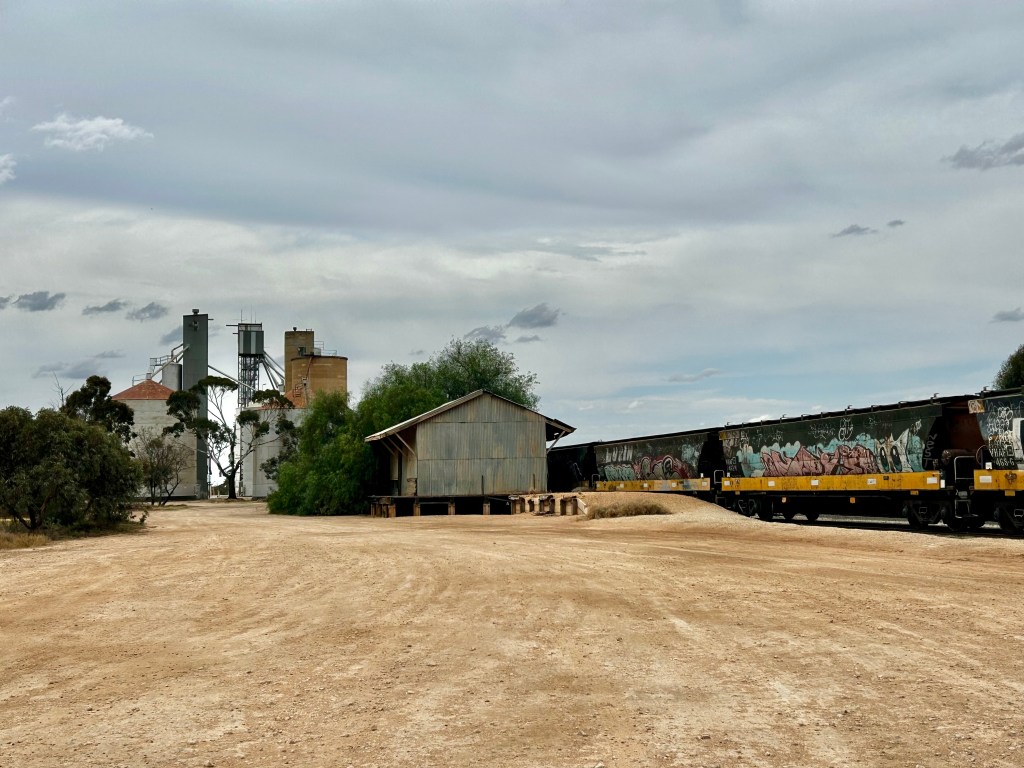
There was a train with a long line of grain carriages at the railway yards … we needed to get back to the school before it started shunting over the crossing to hitch up more carriages.
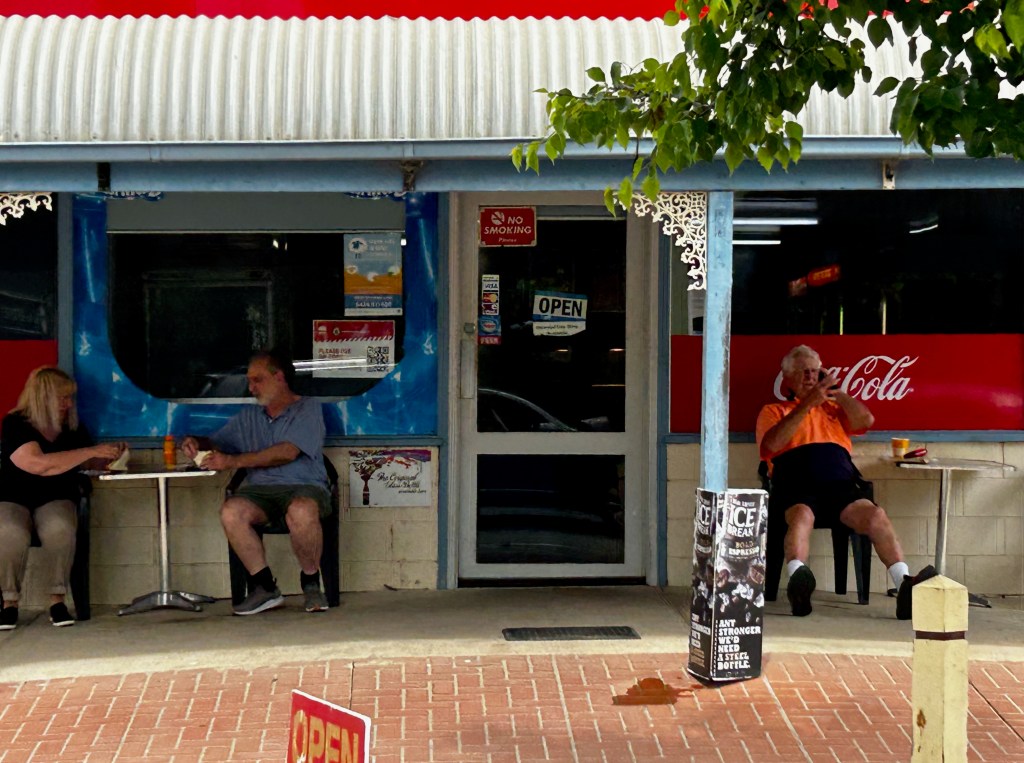
A young bloke was washing his black Holden sedan in front of the cafe,. At least that looked like it was open.
Maybe an older brother or his father started cooking up a steak sandwich which we would share. It was a very Australian moment.
I could not forget the front page of the Melbourne daily paper on the counter, so photographed it as it was so “tabloid” … what have city newspapers become?
We started lunch at a shelter across the road … the first bite was good. Hunger puts a different taste on such meals.
The wind was strong and swept some paper serviettes into the street so then, as navigator, she ran to fetch them.
Yet with that, the wind picked her part of the steak sandwich up and dumped it on the footpath.
My thought was “a bit of red mallee dust wouldn’t hurt anyone,” remembering the history of the region and the ferocious dust storms that were experienced as the land was being developed for farming in the late 1800s.
As a consequence, the stump-jump plough was invented so paddocks could be cleared – the blades of the plough would “jump” over the roots of the mallee gum trees.
The wood from these trees, especially the stumps, is incredible for firewood … it must have been used in the steam engines of paddle steamers, steam trains and tractors in those early days
It would have been used for cooking on stoves and for warmth in winter in the homesteads.
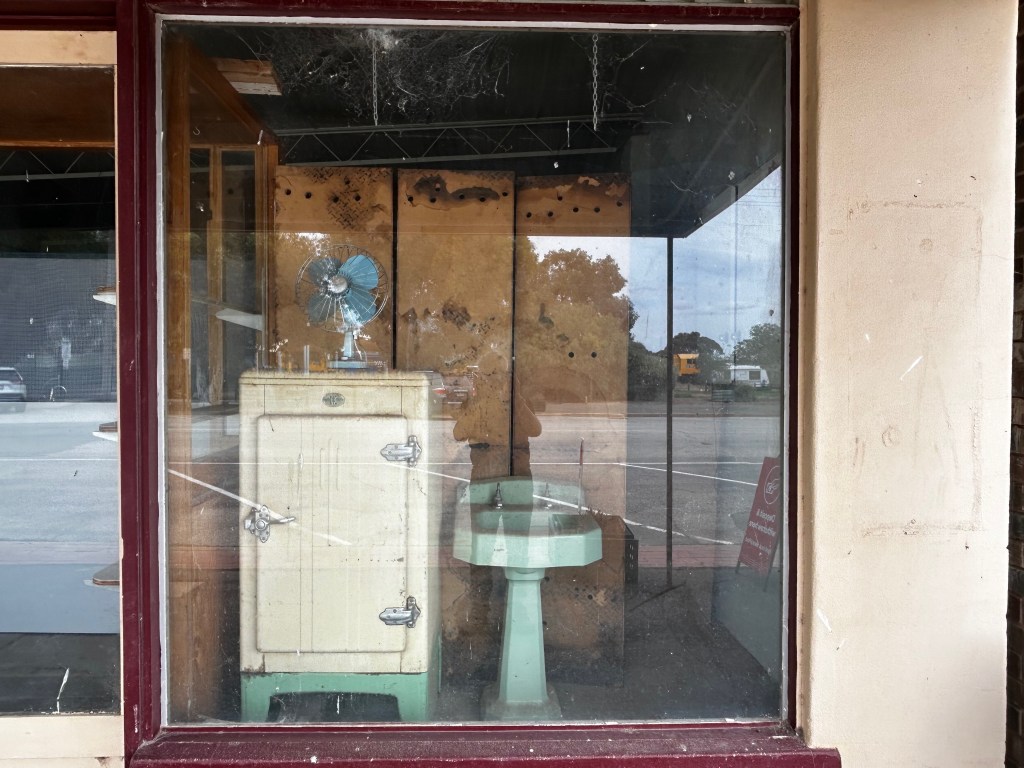

Back to the steak sandwich … I had enjoyed two bites by this stage so let the navigator – about to be driver again – have the rest. Did we share a milk shake or an iced chocolate milk? I cannot remember.
So, off to the school. Yes, her grandmother was living in Manangatang at some stage, and had to ride five miles on horseback to get to the school.
It’s a very long story, we were told, and hours and weeks and months of research has been done.
And here we were, opening a chapter that few in the family knew about.
At the school, a teacher said the original Koimbo school building had been moved to this new site – and was now being used as a music block.
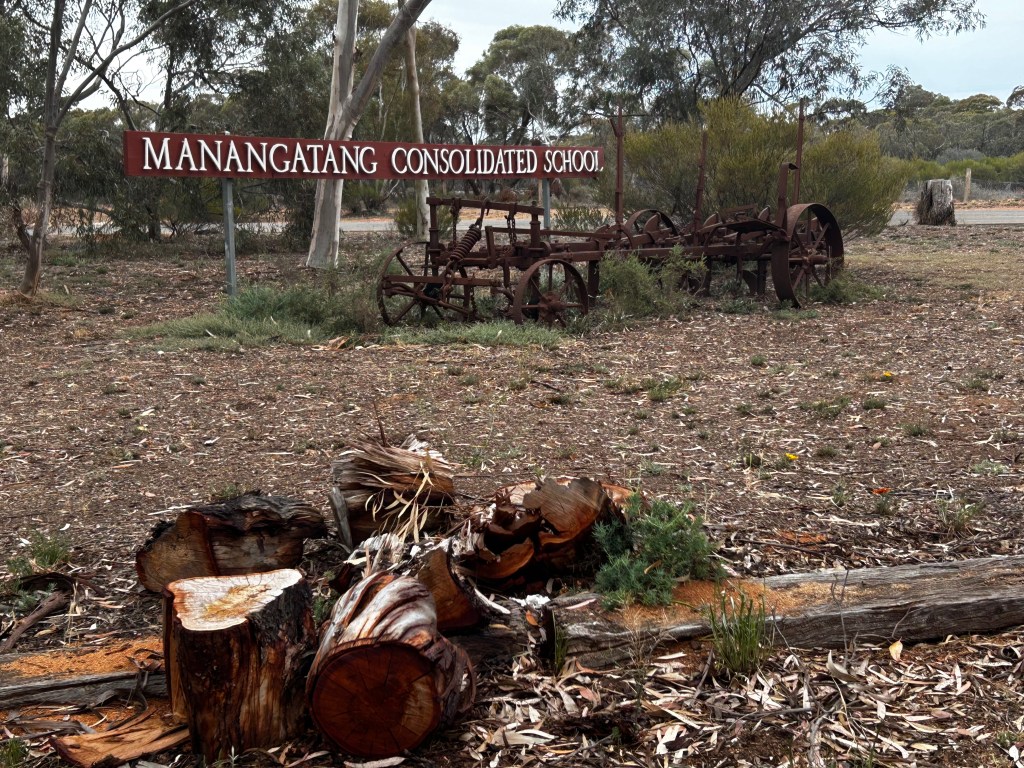
Her grandmother was second from the left in the photo, and the teacher was fascinated to hear the connection.
What are the chances of saying on the phone you are in Manangatang, then your mother having that photo on her while taking her niece to work? Then to be able to find that building.
“That’s unbelievable,” her mother said. “Thank you both for taking the time to go back.
“That’s very special and I can’t wait to share the story and the pictures with my sister.”
After that, the drive from Manangatang into South Australia was interesting but nowhere near as exciting. Something so significant out of seemingly nothing.
We were just crossing a railway line and a phone call changed a number of lives.
Having been out to these places many years ago, I knew there were long distances involved.
I had been to Murrayville which was the furthest Victorian towns from Melbourne. There was nothing else that stood out at the time, apart from that distance … and the good nature of the people.
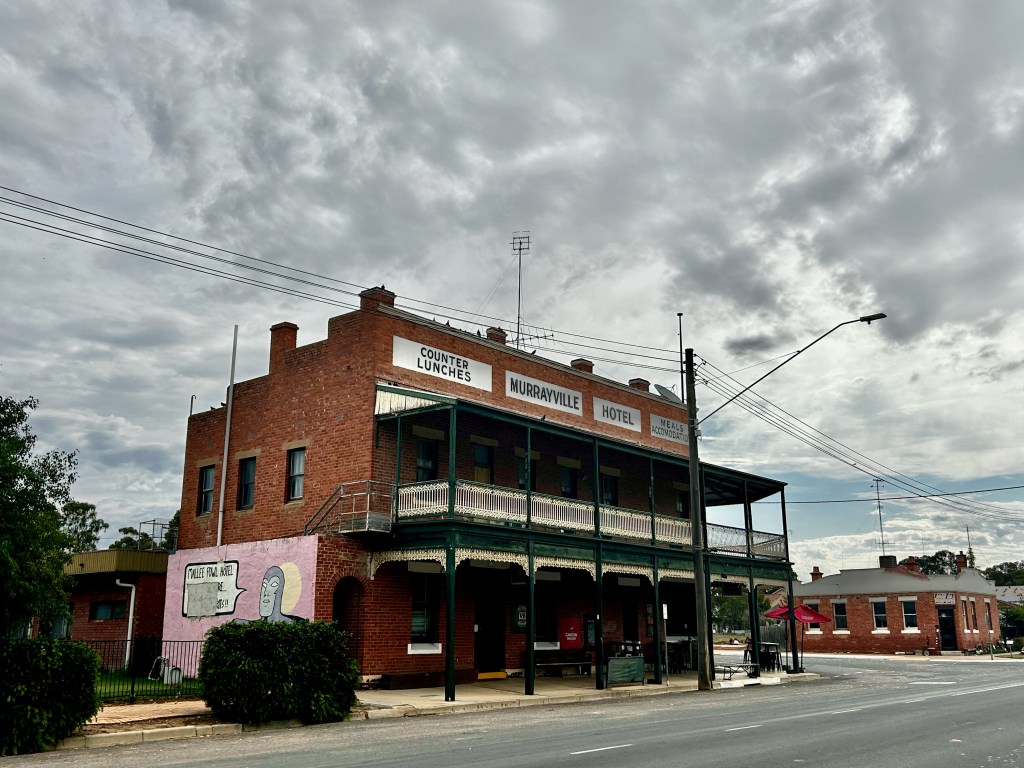
Ouyen seemed to have more life in it this time, compared to a road trip from Melbourne up to Broken Hill 10 or 12 years ago.
It was in daylight this time but just on dusk on the previous journey. The railway station and the hotel, they were in the shadow and, I don’t know how you describe it, but it seemed to hold all the ghosts of the past.
The memories from when the town was so vital to the area, and a major railway stop on the way to the orchards and vineyards of the Sunraysia region.
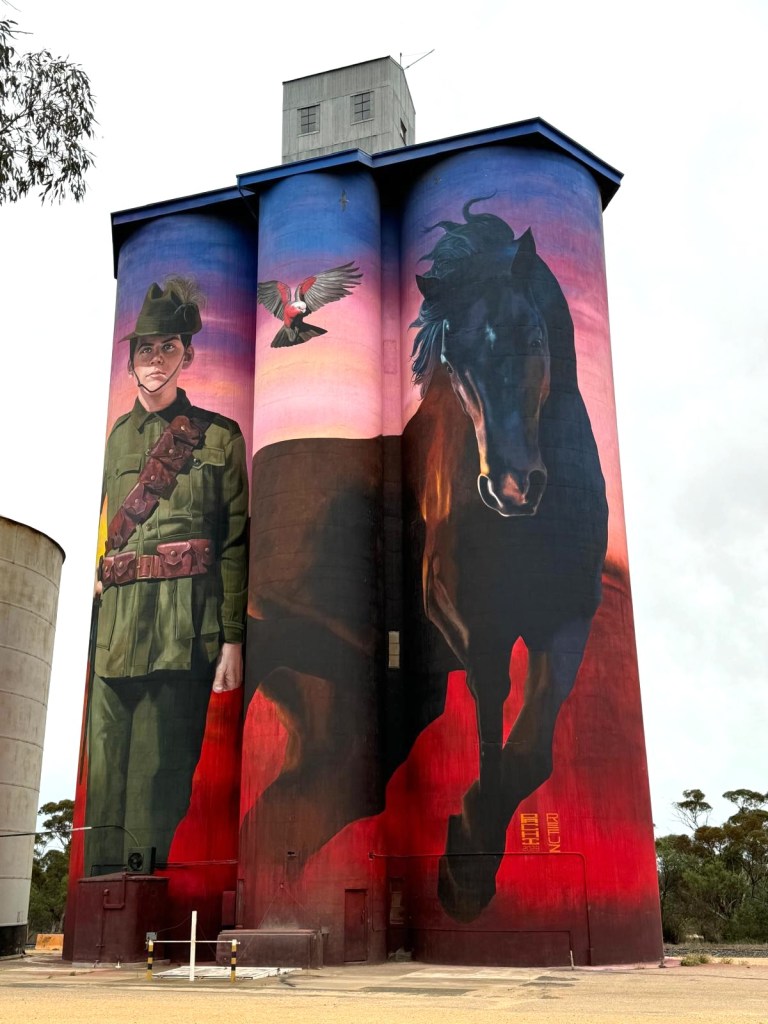
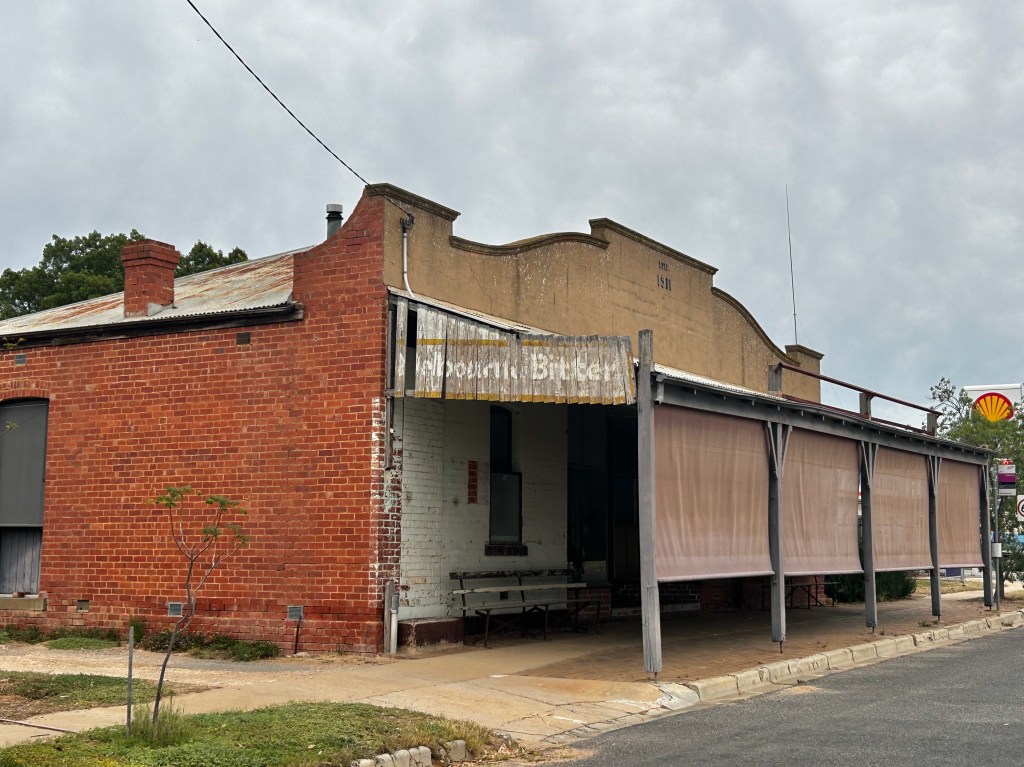
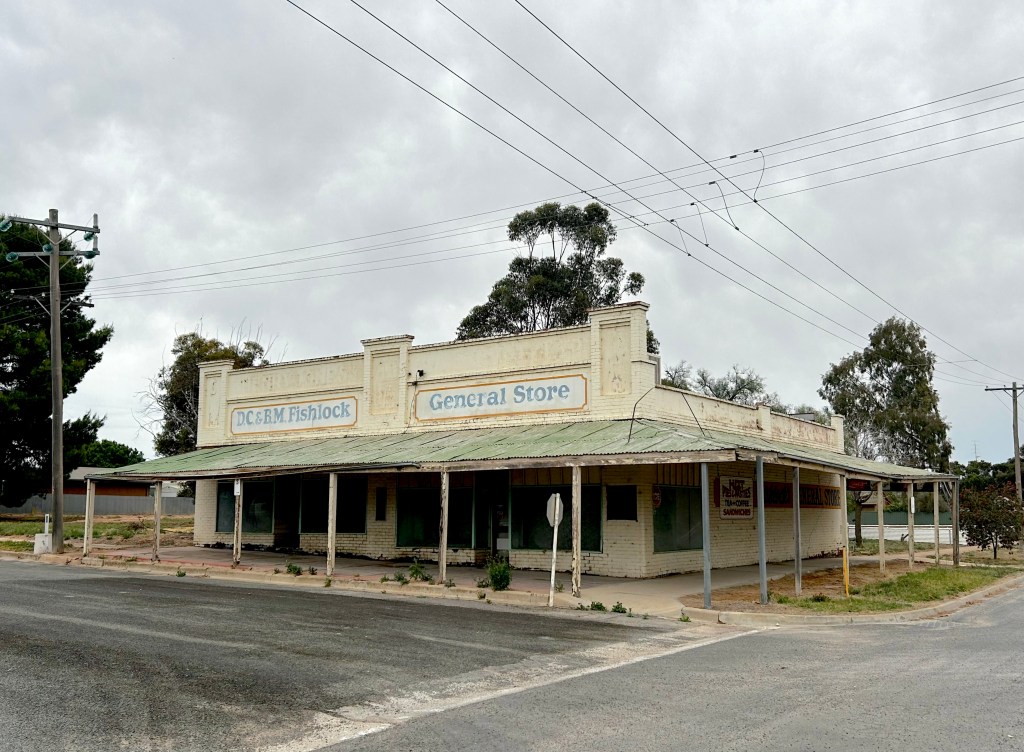
We drifted through some of the other Mallee towns with their silos … Walpeup, Underbool, Cowangie. The general stores were mostly closed and the pubs with barely enough customers to remain open.
Crossing into South Australia at Pinaroo was a chance for us to take back half an hour due to the time zone.
That night we were scheduled to stay at a winery at Langhorne Creek – a region globally renowned for its premium vineyards and winemaking history dating back to the 1850s.
A journey is not just what you see along the way … it’s the experience. It’s the people you meet and talk with. It’s what you learn. It’s what you take from the journey that can change your outlook.