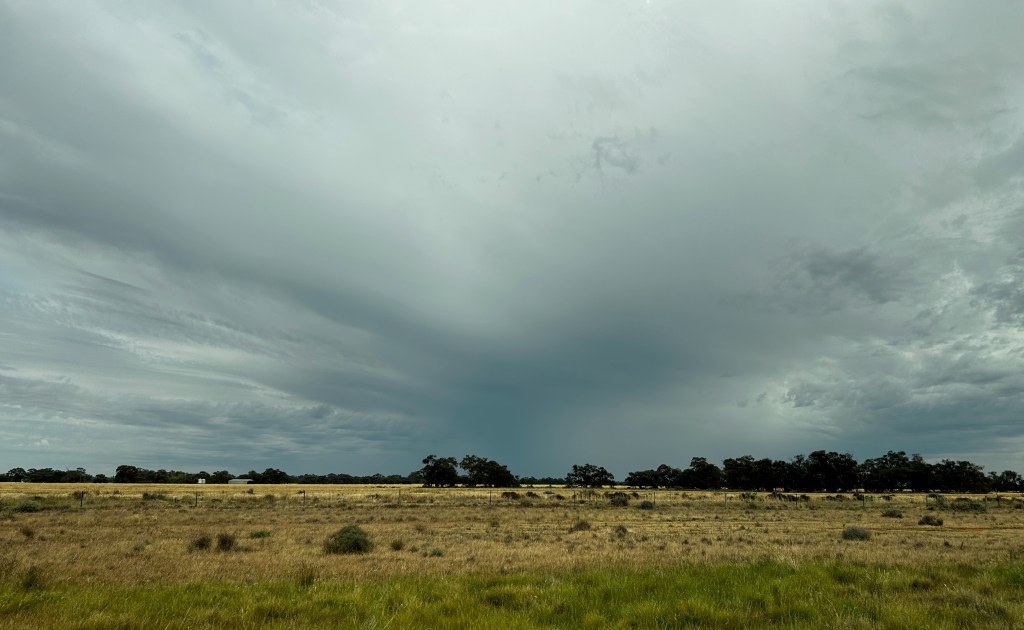
The beauty of a road trip is that it takes on its own character
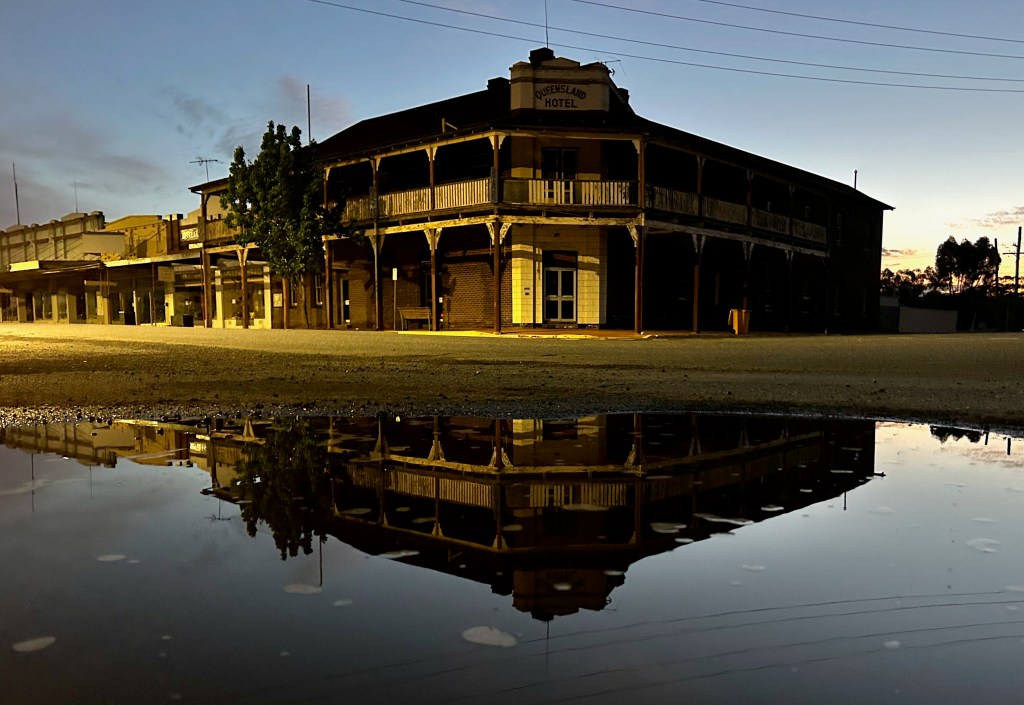
A road trip can’t be more than just what you see along the way … much more.
It’s not just about admiring the views and the landscape. It’s a matter of immersing yourself in it.
It’s about understanding the history, the geology, the culture you experience along the way.
The land has such a story to tell, and particularly in Australia which is regarded as perhaps the oldest landmass on Earth. The oldest mountain ranges. The oldest river. The longest continuous culture.
As well as the landscape it is about the people you meet. The conversations. The unusual experiences. Even the most ordinary, the most every-day.
There can be surprises at every turn. Although many regard the Australian landscape as bare and barren, that’s far from the truth.
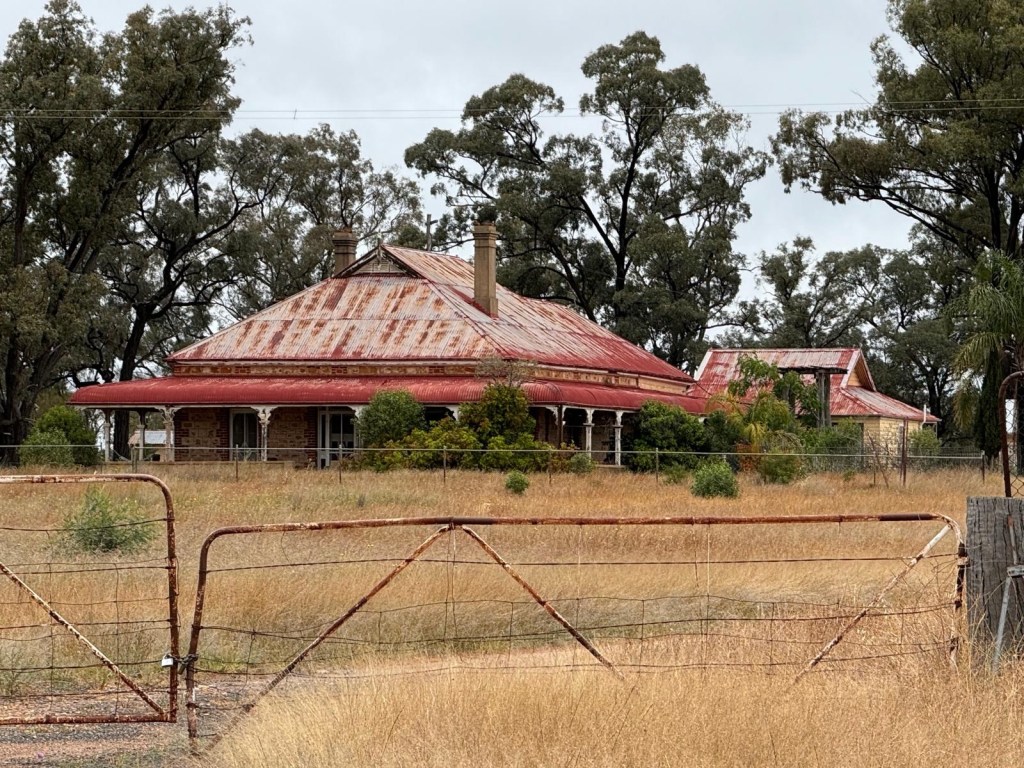
This trip was to be more than 2000km in three days – through parts of four different states.
From the south-east corner of Queensland, through the centre of New South Wales, across the top of Victoria and to the western tip of Fleurieu Peninsula in South Australia.
The reason was the 2024 Tom Quilty Gold Cup – a 160km (100 mile) endurance horse ride to be completed in 24 hours.
Regarded as the premier endurance ride in Australia, and modelled on rides such as the Tevis Cup in North America, the event rotates each year between the six Australian states.
Our role was to cover it from a news point of view, and to act as one of the strappers for a Quensland competitor.
It’s quite a drive, even in the comfort of a Toyota SUV. Most of the Queensland entrants left days, if not a week before in order to make it as comfortable a journey for the horses that they could.
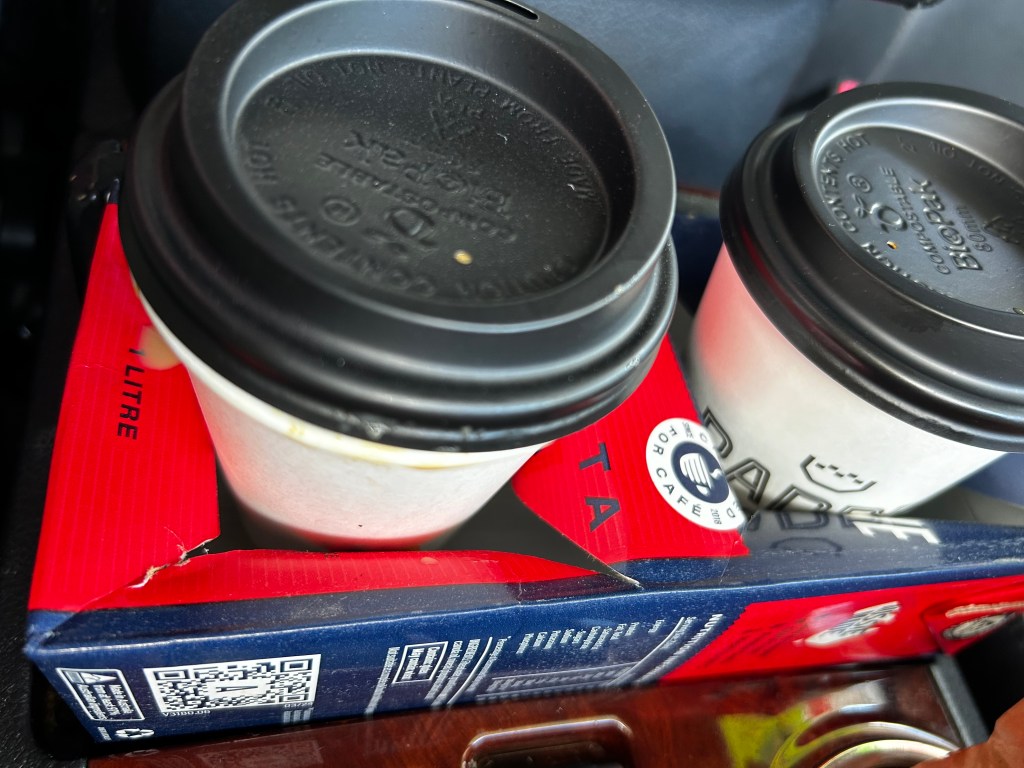
Last-minute work networking meetings meant a mid-morning getaway but the car was already loaded-up with clothes and sleeping gear. Fuel gauge on full and take-away coffee … we were set.
The later start meant it was good to drive through Queensland’s capital, Brisbane, as the peak-hour traffic would be finished.
Otherwise it’s generally a matter of taking the more scenic yet hilly drive through Kilcoy, Esk and Gatton then onto Warwick.
Once there on the southern end of the Darling Downs, the trip really begins.
To put the drive into perspective, Queensland is Australia’s second-largest state – two-and-a-half times the size of Texas and seven-times larger than Great Britain.
You could drive for three days and even then still be in it.
On our journey it has taken about four hours to get to Warwick and the chance of a good meat pie for a late lunch. Then it is down through the Stanthorpe region, famous for its vineyards as well as apple and pear orchards.
Crossing into New South Wales, there is still four hours to go for our first sleep – in a converted wool shed at Tamworth. What we had forgotten was summer daylight saving time in the southern states so we lost an hour.
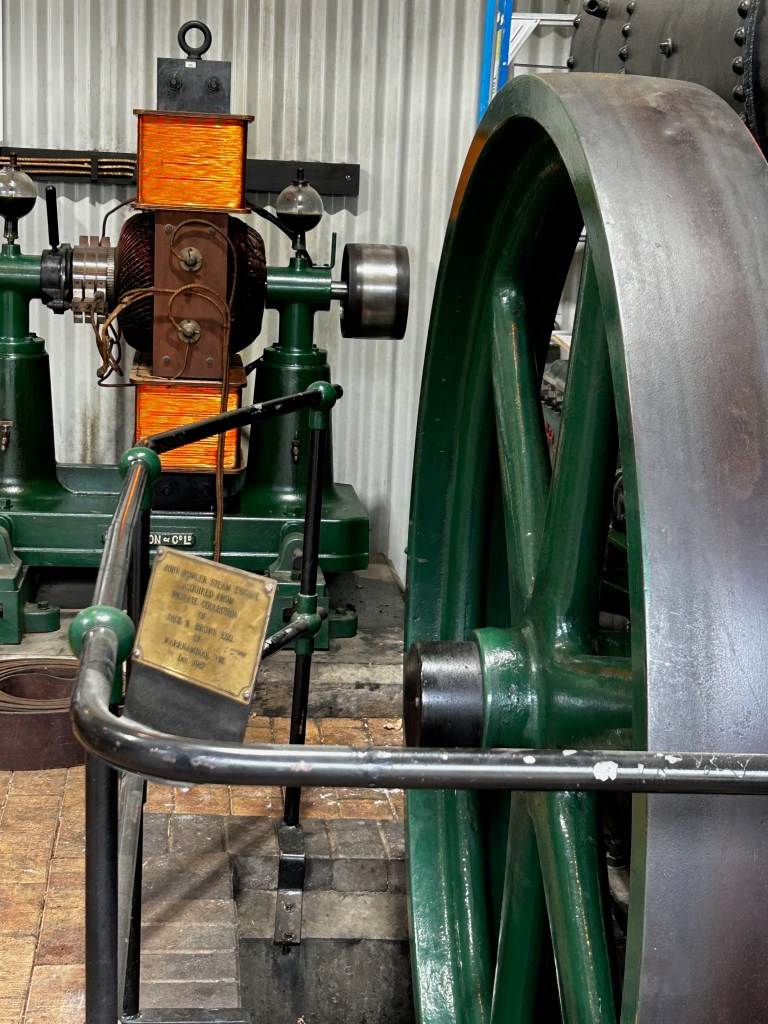
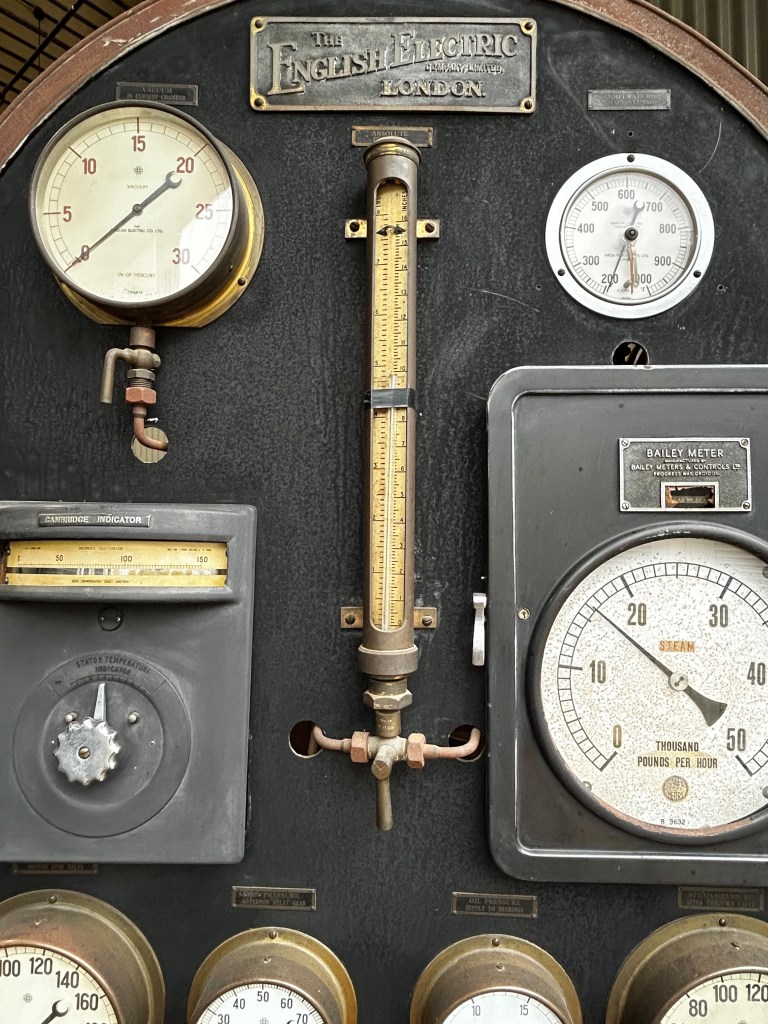
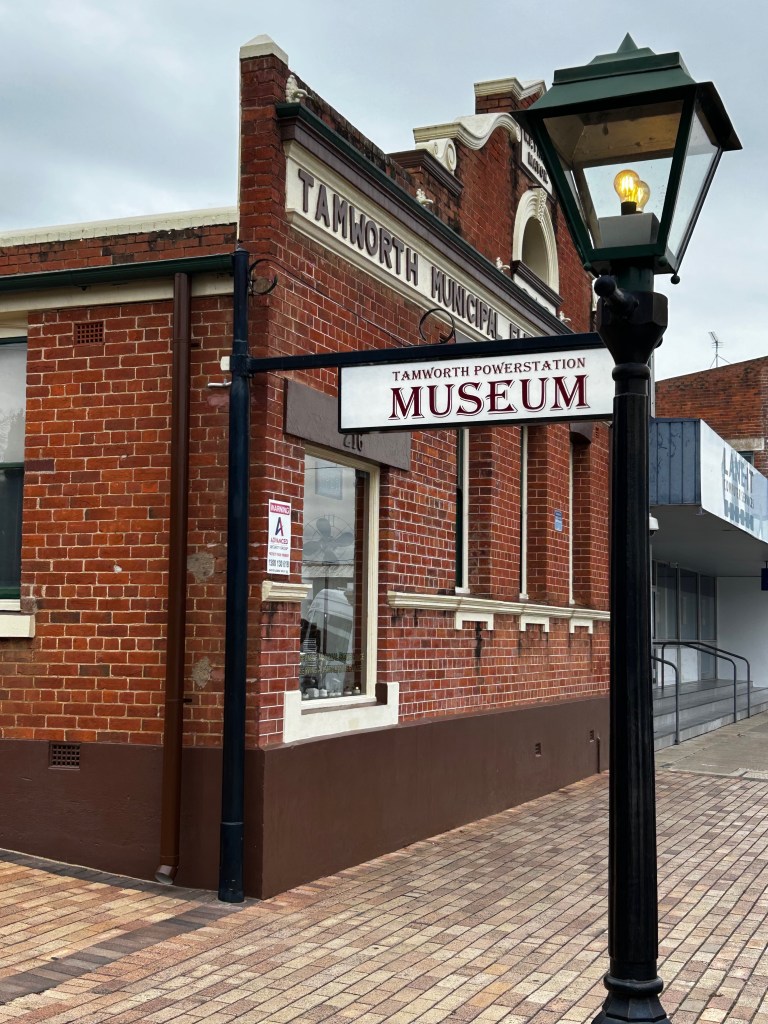
Tamworth is home to Australian country music, and was also the first town in Australia to have electric street lighting.
That was in 1888, 16 years before New South Wales’ largest town Sydney converted its gas lights to electricity.
The landmark installation included 52 carbon filament lamps and seven arc lights, with two 12-horsepower steam engines driving the dynamos.
Dinner was at the Dragon Palace Chinese restaurant, not far from the Tamworth Country Music Festival hub so you can only imagine the number of musicians who have dined there.
Founded in 1973, the music festival is recognised as the largest of its kind in the Southern Hemisphere.
Due to being part of the media industry there was even a time when I formed part of the judging panel for a section of the festival.
Those days are gone, but I still have the autographed LP album of Slim Dusty Live at Wagga Wagga.
The size of New South Wales is 800,000 square kilometres – bigger then France (550,000 sq m) but smaller than France and Germany (357,000sq km) combined.
Our aim is to make Temora on the second night, in the southern part of the state and a 600km drive.
A stop at Gunnedah for pies and sandwiches meant cash instead of card … yes, there was some in the car.
But that meant a quick dash to get it … I had parked in a side street instead of reversing in at 45 degrees as so many New South Wales country towns favour.
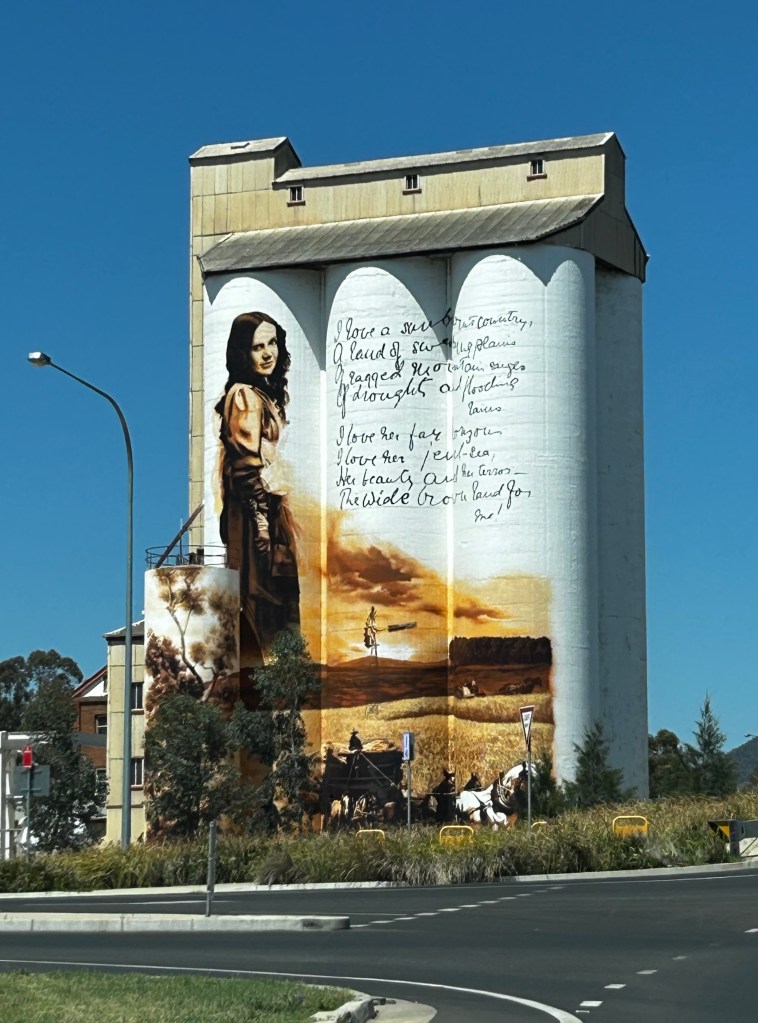
Gunnedah is home to some notable people – sportspeople, fashion models and musicians. Among them is Dorothea Mackellar whose poem My Country is known throughout Australia: “I love a sunburnt country, A land of sweeping plains, Of ragged mountain ranges, Of droughts and flooding rains.”
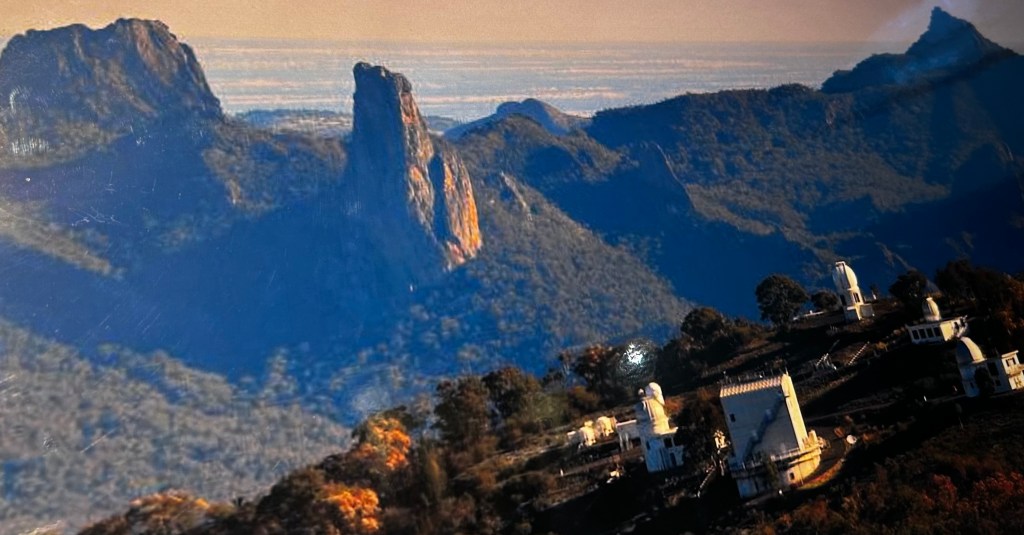
Yet along the way is the Siding Spring Observatory (SSO), on the edge of the Warrumbungle National Park near Coonabarabran.
Since opening in 1964, The Australian National University has operated the observatory site, probing the depths of the cosmos in search of Dark Energy.
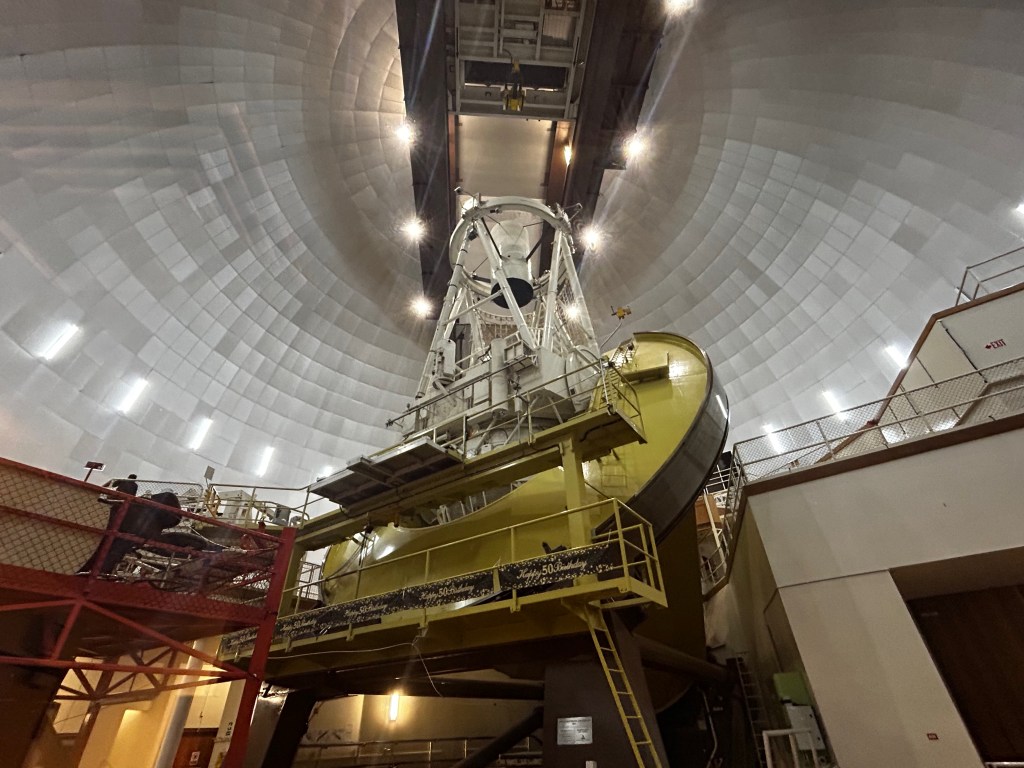
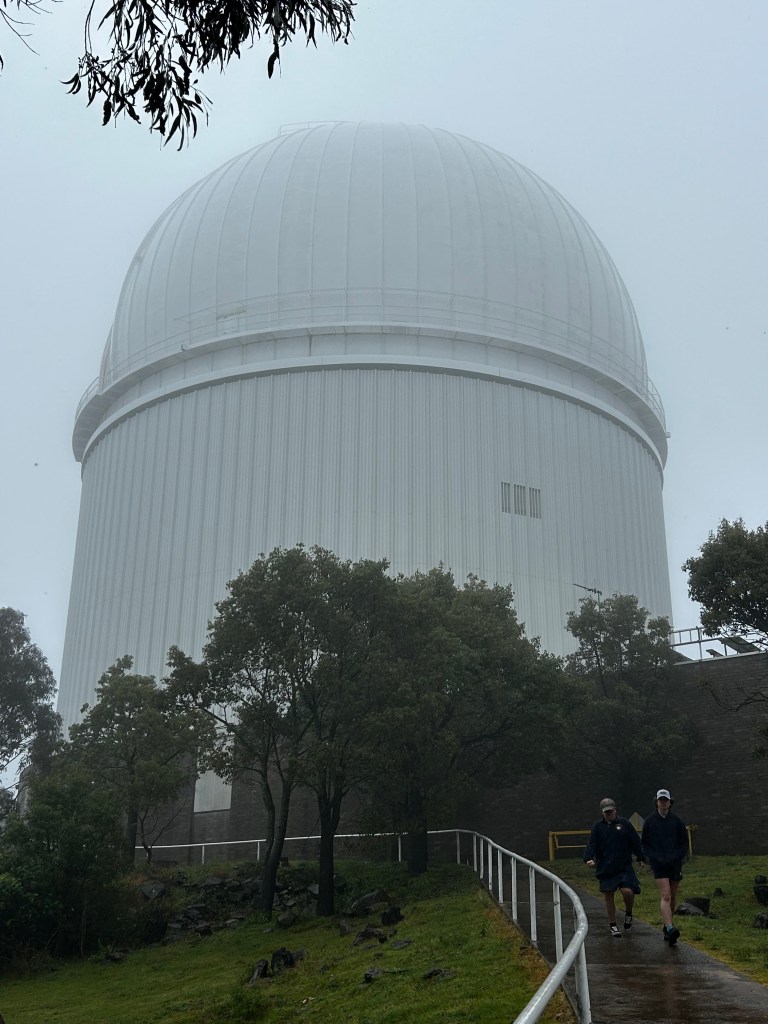
The location was chosen due to the dark and cloud free skies and the low risk of future light pollution.
While it is no longer one of the largest telescopes by physical mirror size, Siding Spring is considered one of the most scientifically productive and influential telescopes in the world.
Research is varied, from probing the depths of the cosmos in search of Dark Energy to searching the Milky Way for other planets and signs of life.
The site now houses many telescopes from institutions across the world including, Korea, America, the UK, Poland, Hungary, Germany and Russia.
But the weather has closed in and it’s cloudy, wet and windy. Yet that doesn’t stop a look inside the main installation, even if you cannot appreciate the view from the skywalk around the dome.
Then there is the Parkes radio telescope further south, commissioned in 1961 and commonly known as The Dish.
It played a crucial role in broadcasting the 1969 Apollo 11 Moon landing. When Neil Armstrong first stepped onto the lunar surface, signals were received simultaneously by NASA’s Honeysuckle Creek tracking station in the Australian Capital Territory, and Parkes.
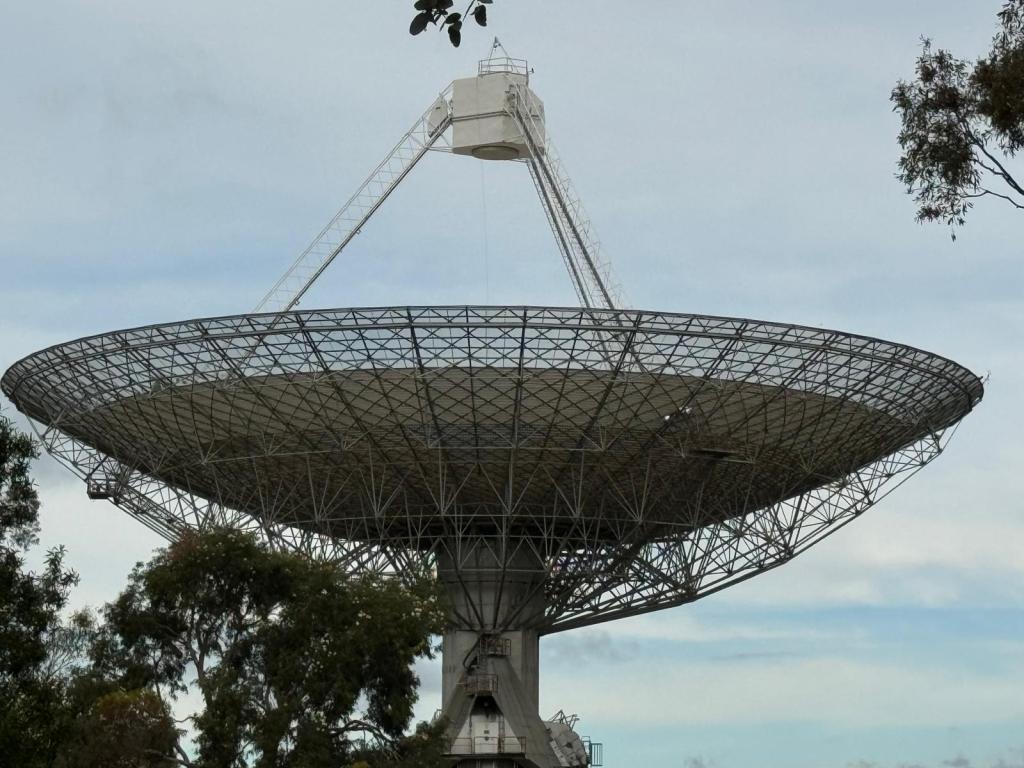
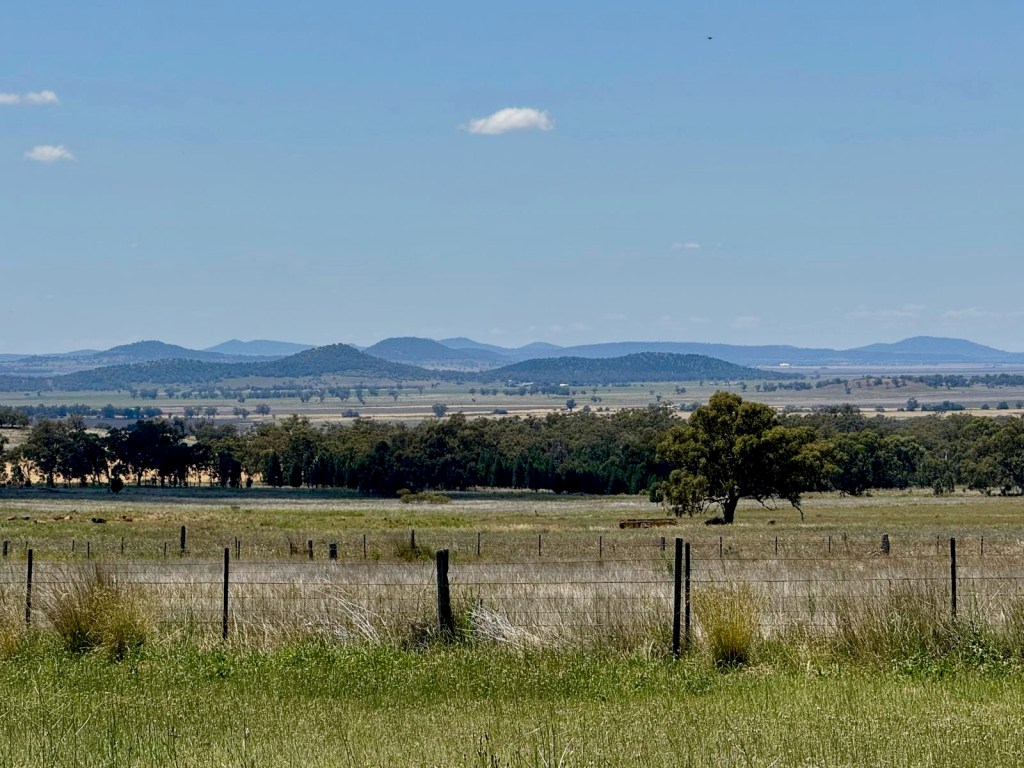
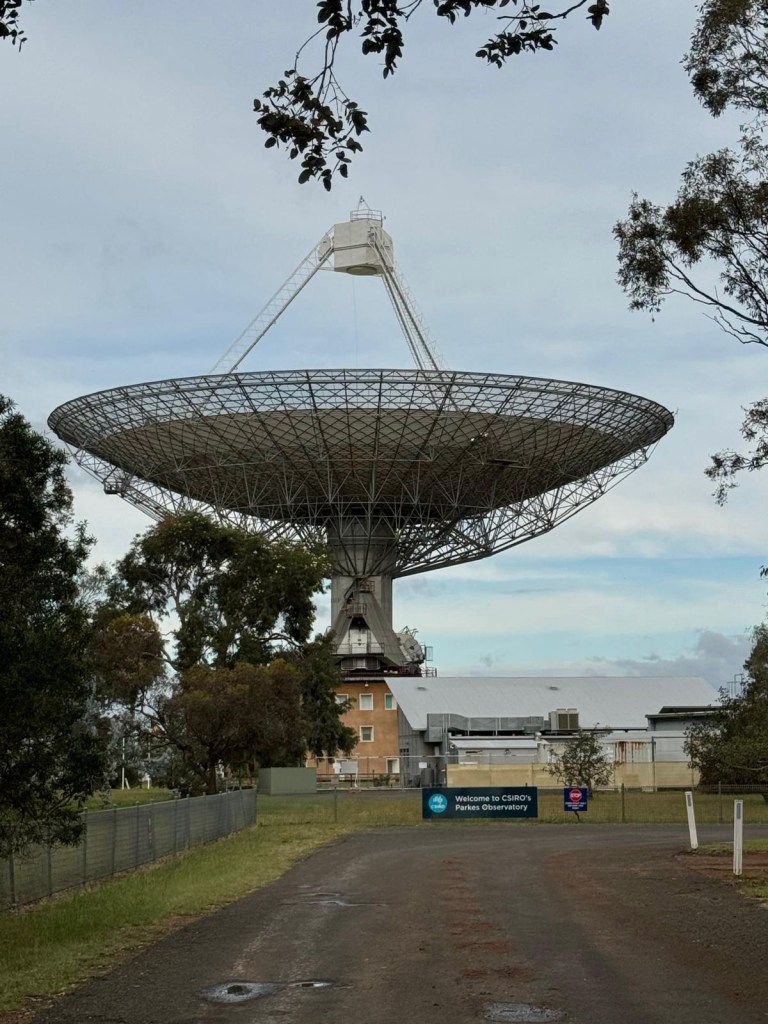
NASA switched to the Parkes feed because its image quality, and the monumental broadcast has been immortalised in the 2000 Australian comedy film The Dish.
The thing about Australia is you can drive through the same land and yet get completely different interpretations of what you have seen or experienced.
You set out with a destination in your mind and a rough timeline, but from then on it’s very much make it up as you go.
Four states in three days … 2000-something kilometres. That’s further than London to Budapest in Hungary.
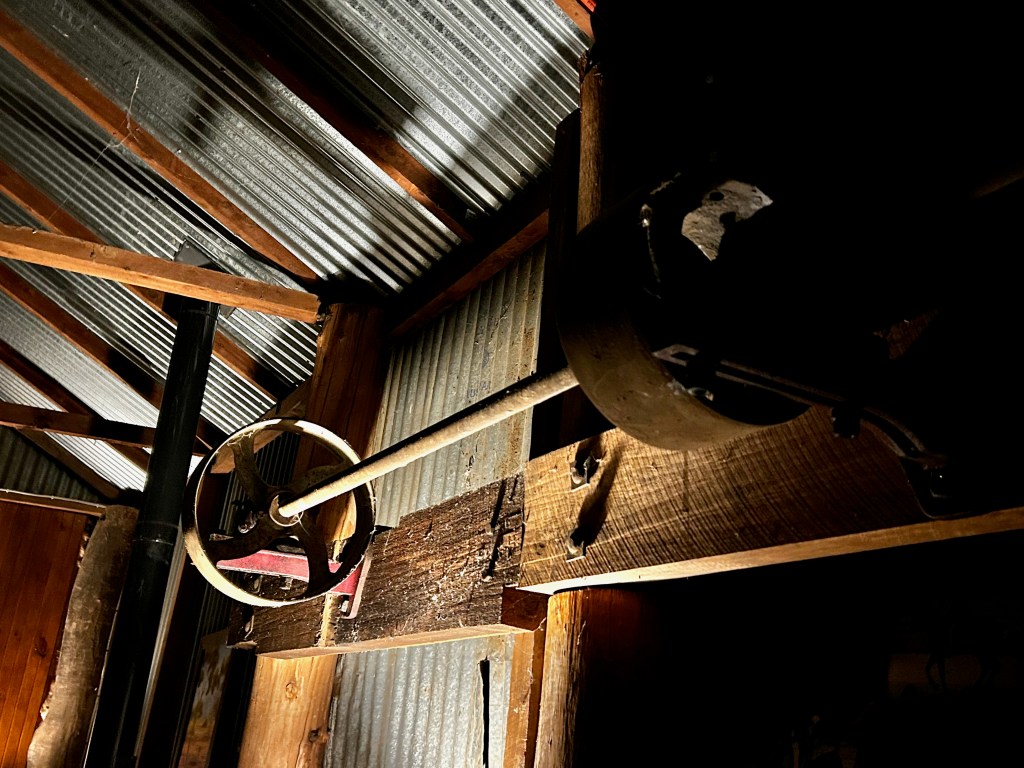
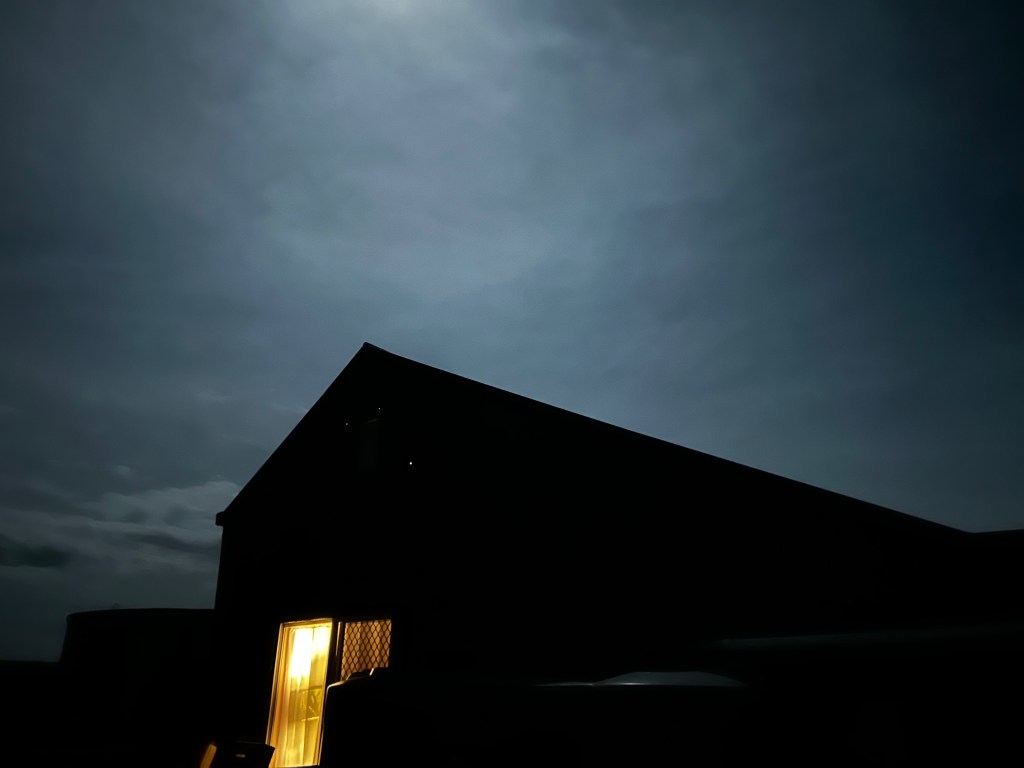
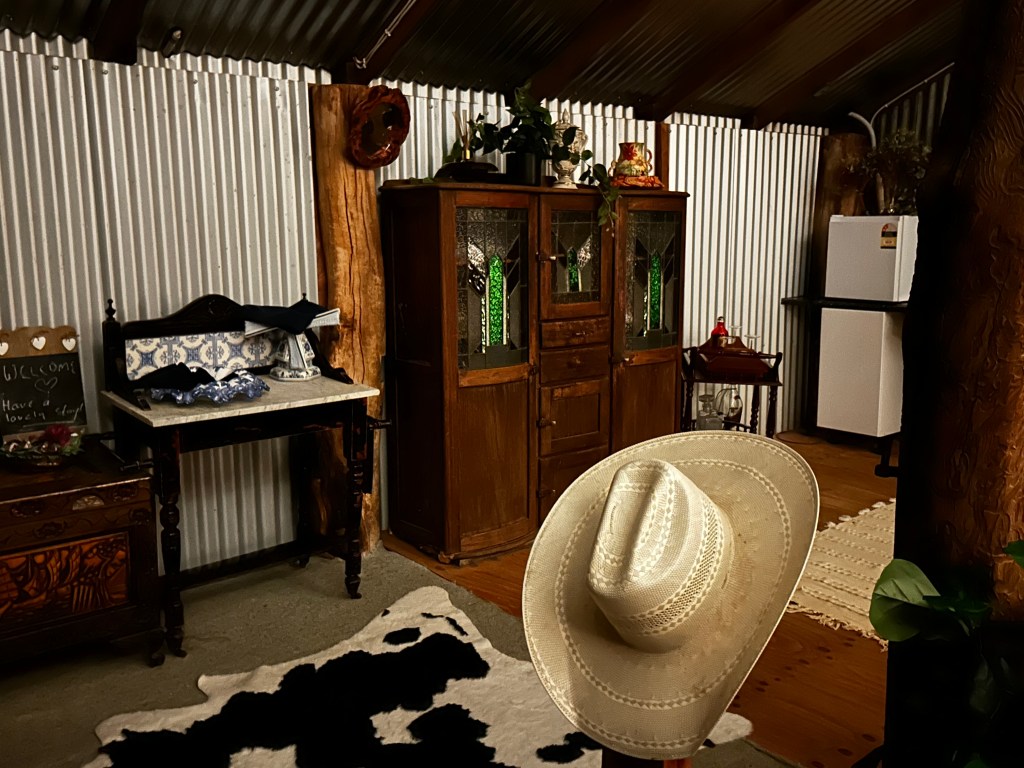
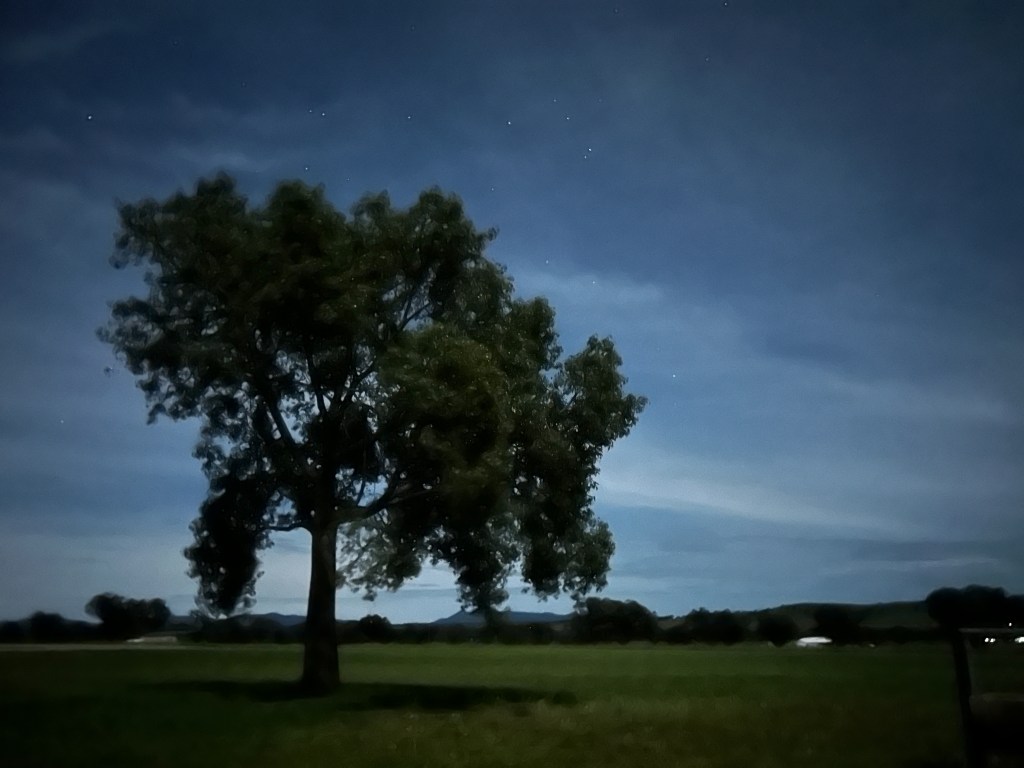
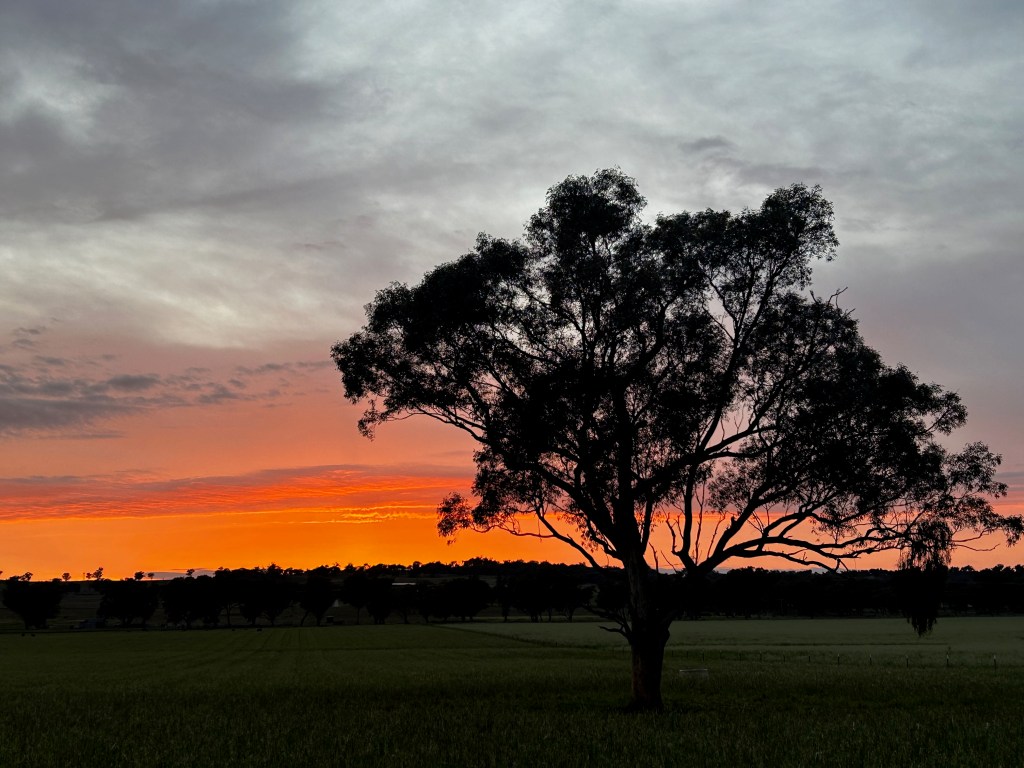
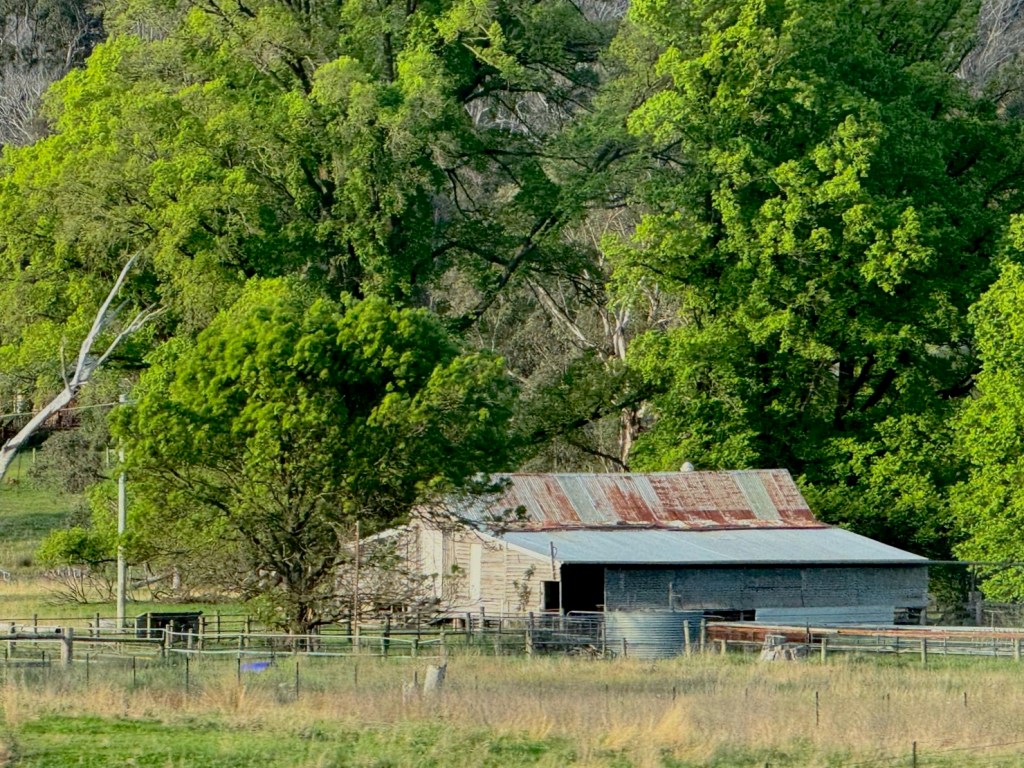
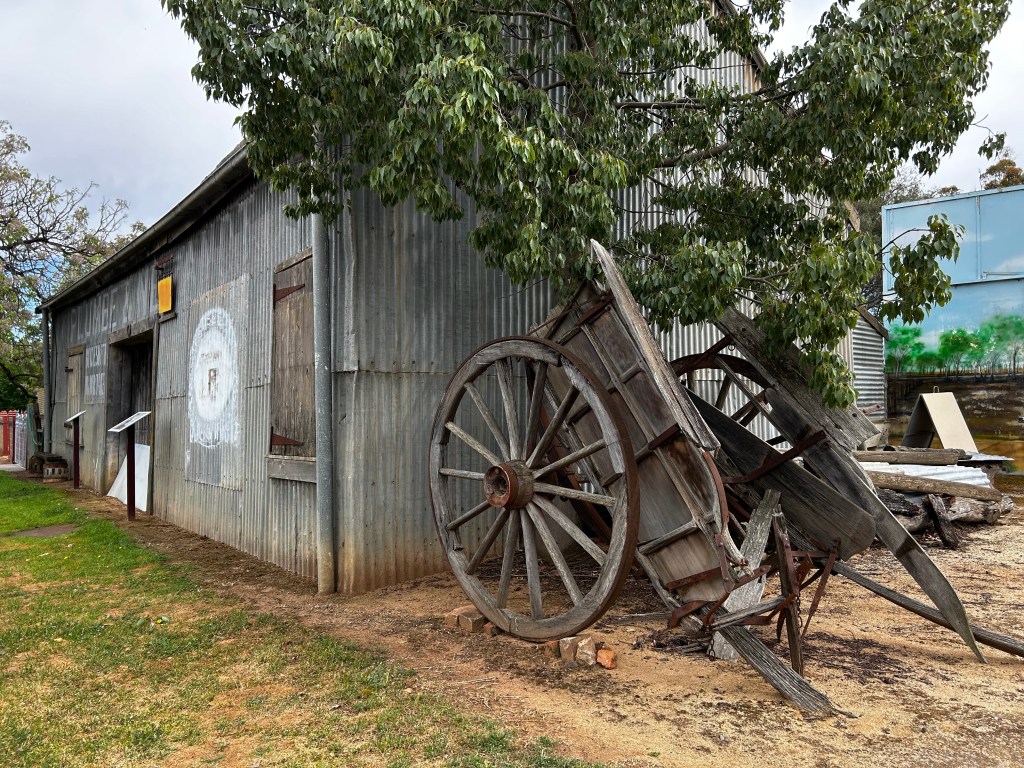
The Country Woolshed in Loomberah, just south of Tamworth, was a beautiful rustic building on a farm – corrugated iron walls, timber floors, old shearing equipment as part of the decor but with comfortable, clean, and spacious bedroom and bathroom as well as lounge and kitchen.
Outside, a near full-moon hung in the clear night sky.
We were catching up to some of those with horses who had left before us but were still two days behind. They set themselves about 400km each day, ensuring the horses drink, eat and get exercise.
Overnight stops are generally at showgrounds or other horse properties, as there is a strong camaraderie in the endurance family.
One group had left Manangatang, in Victoria’s north west, at the weekend, while others were setting off two days later from Ardlethan in the Riverina region, a town officially known as the Home of the Australian Kelpie – the renown working sheep and cattle dog.
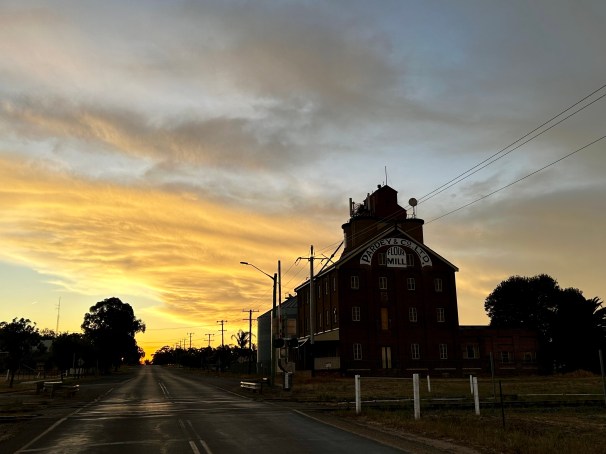
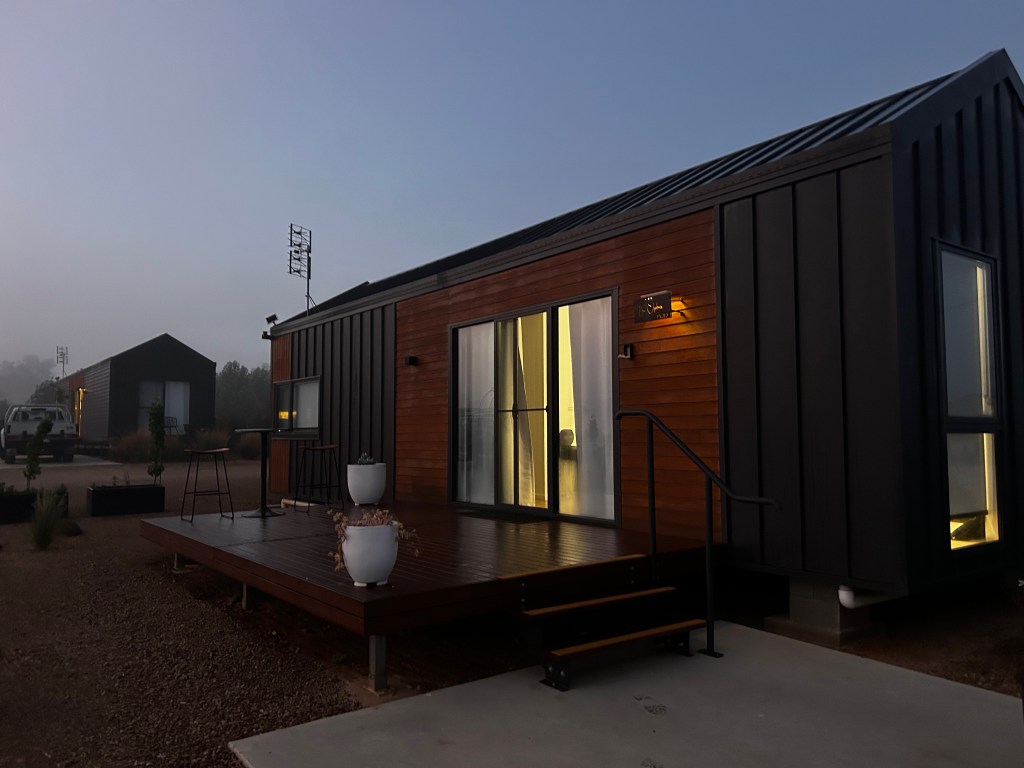
At Temora, we set up in a near-new Scandanavian-style pod, near the airfield and air museum.
Three Ponds is set on the outskirts of town with sheep in the adjoining paddock.
The cabin is expertly set up – a place for everything and everything in its place – so after a quick drive to the shops in town it was just a matter of cooking up a pasta dish.
As well as its aviation history, Temora was the site of a gold rush in the late 1800s, and strong agricultural background.
The town also honors the champion Australian harness racing horse, Paleface Adios.
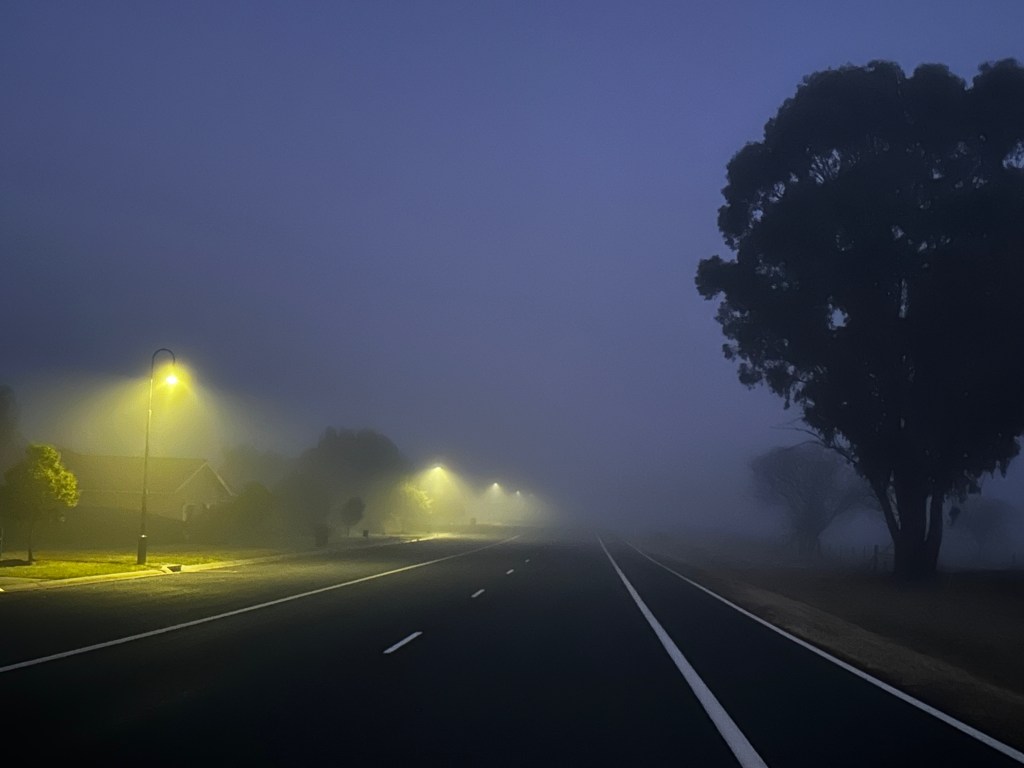
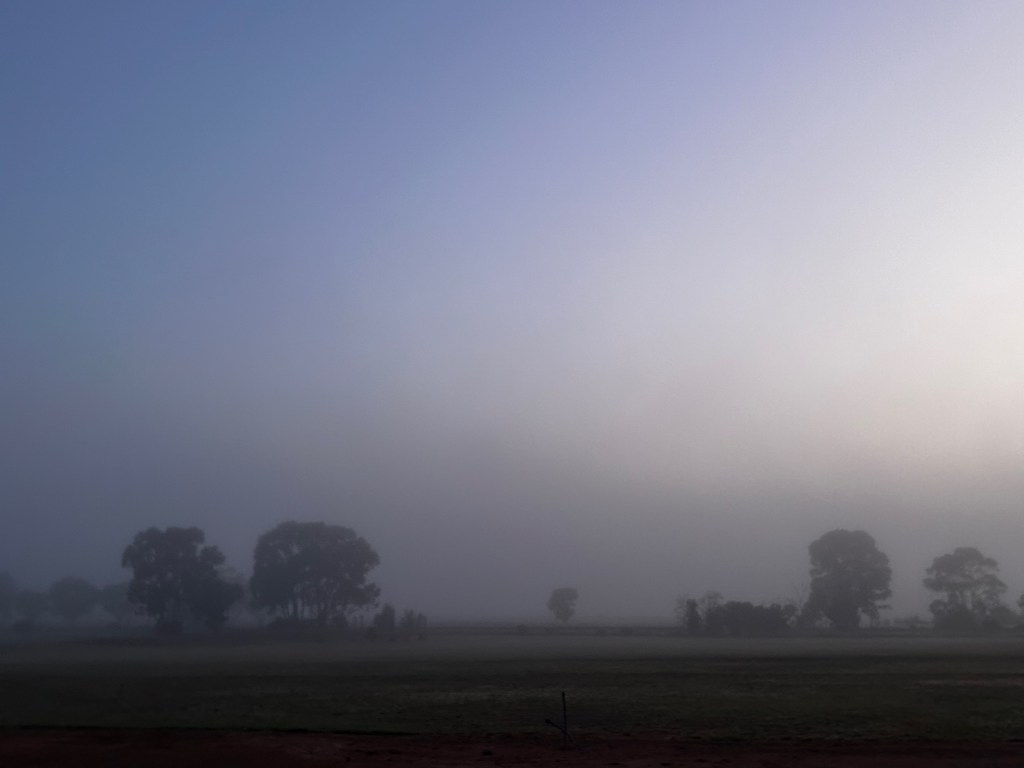
That night, fog descended onto the town and masked our morning drive further south towards the Victorian border.
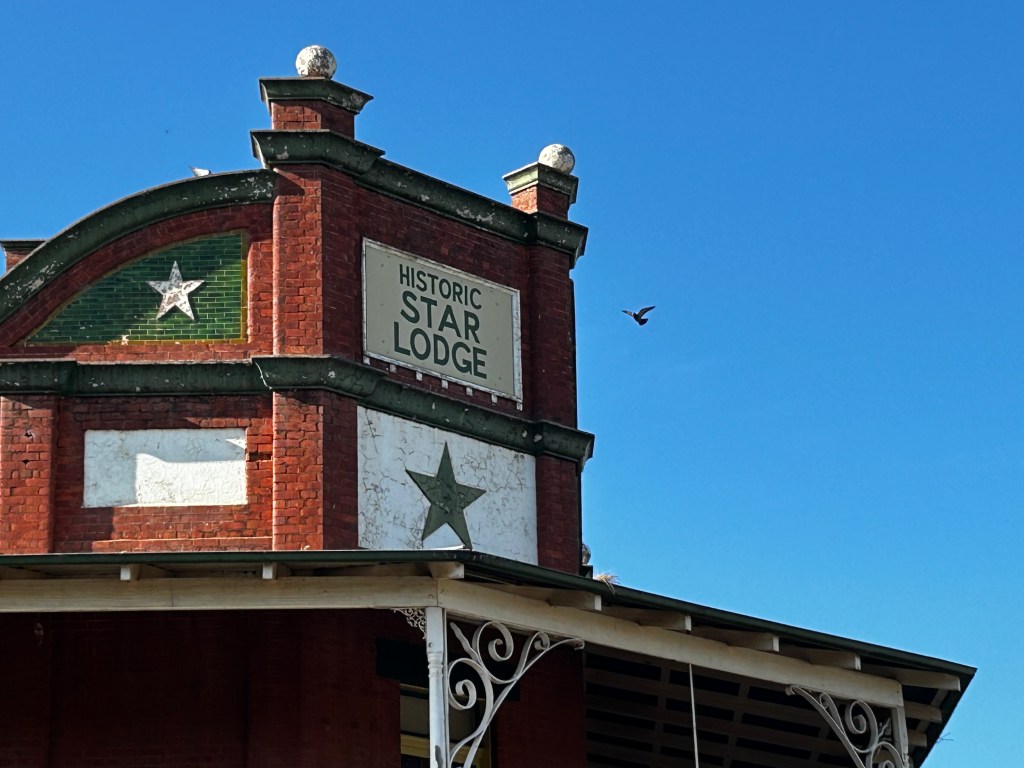
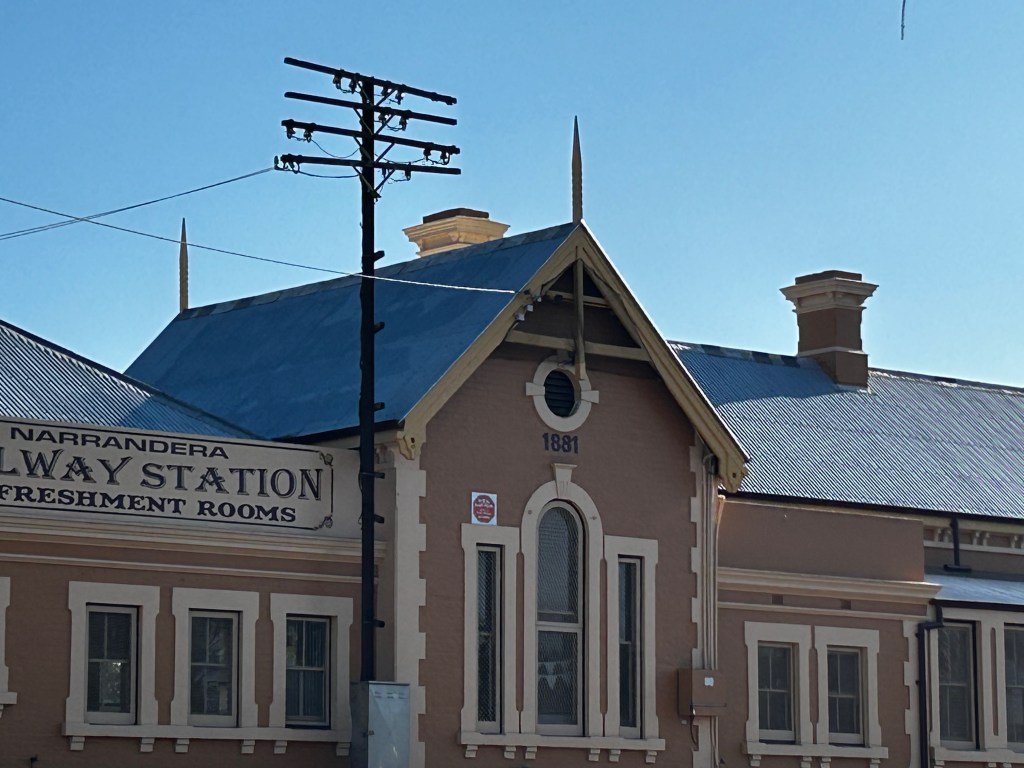
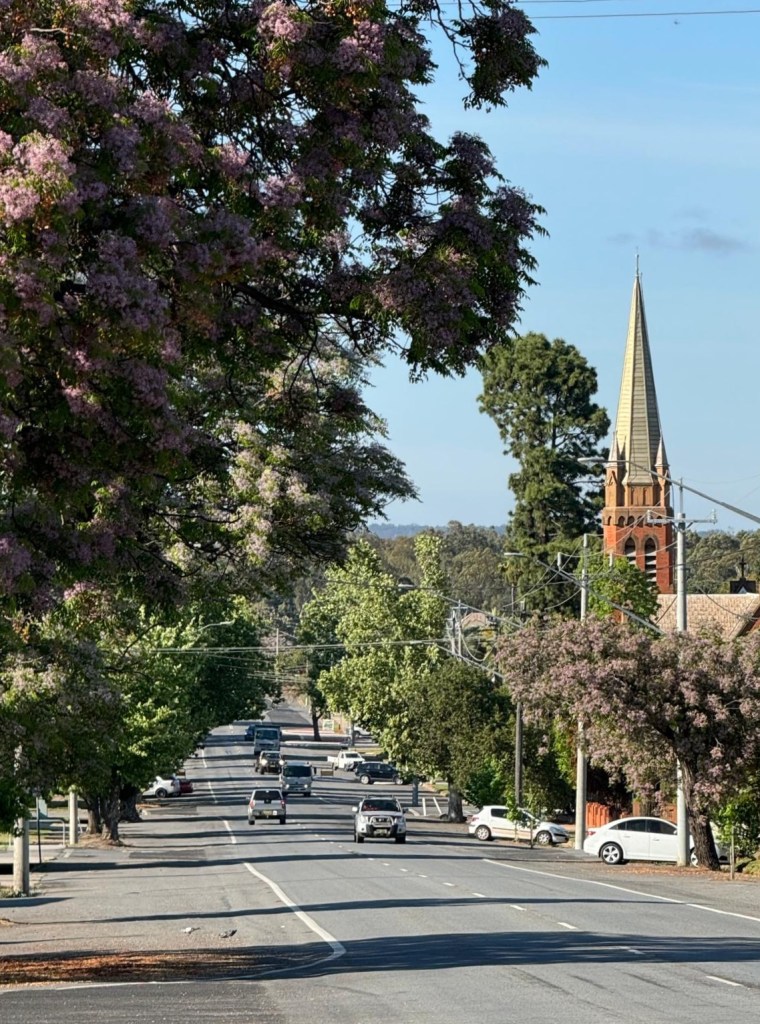
There’s time to stop at the highway junction town of Narrandera, considered the gateway to the Murrumbidgee Irrigation Area.
The MIA was created in the early 1900s to control and divert the flow of local river and creek systems for the purpose of food production. Today it is one of the most diverse and productive agricultural regions in Australia.
Narrandera is an attractive town with a strong agricultural history and tree-lined streets that contrast with the open plains that surround it. It’s not just a truckie stop.
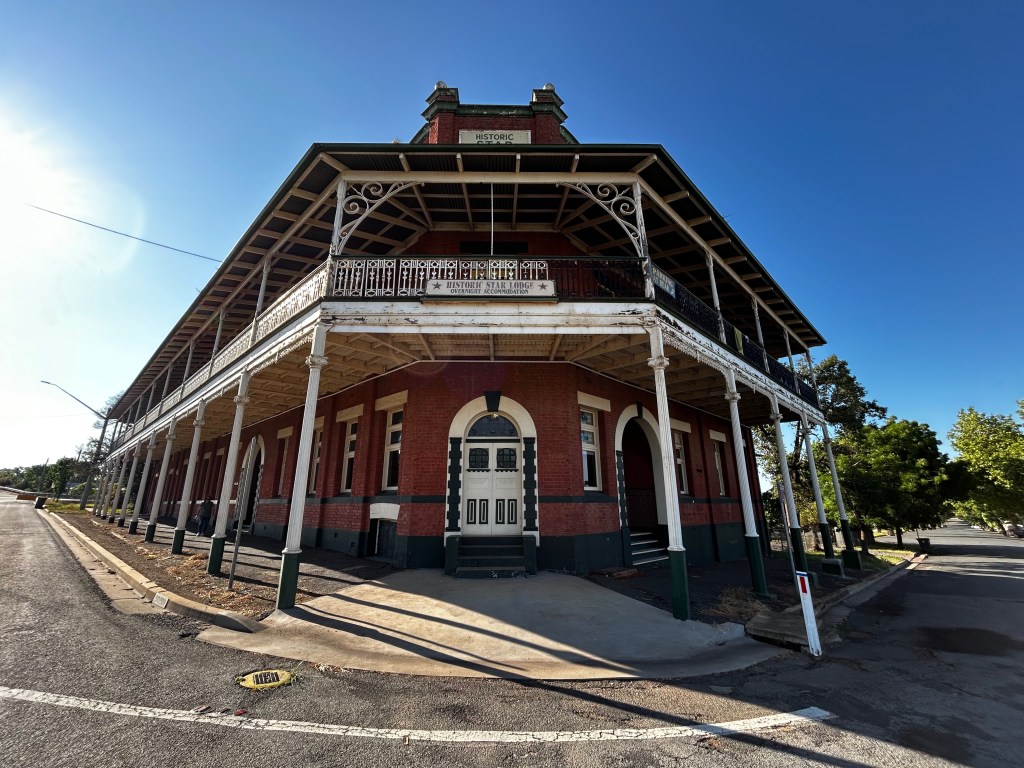
There’s the London plane trees that look a lot like jacarandas that line the streets and there was the beautiful old railway station. Across from it was the Star Hotel that looks as if it has always been for accommodation.
There must be about 100 rooms in the two-storey building, and probably had a lot to do with the early days of shearing as well as people working on the land.
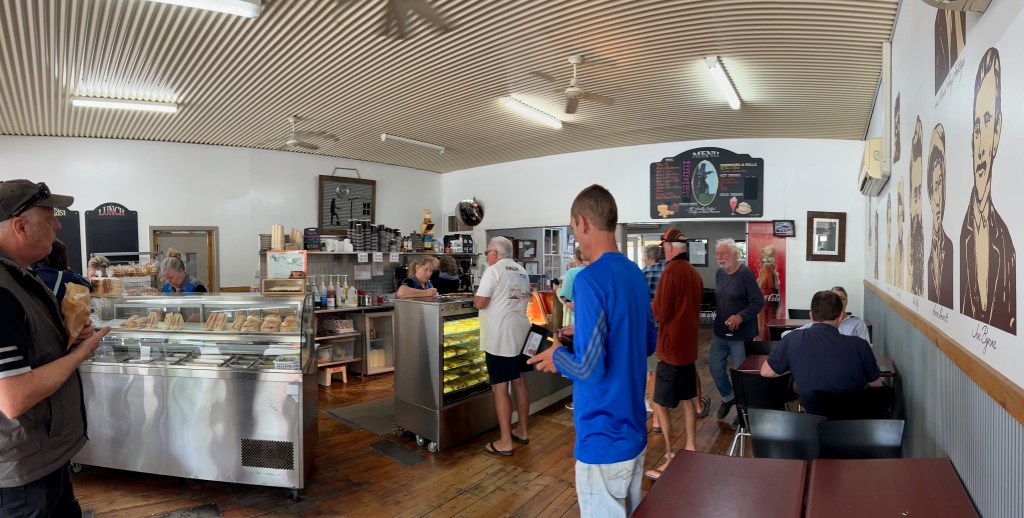
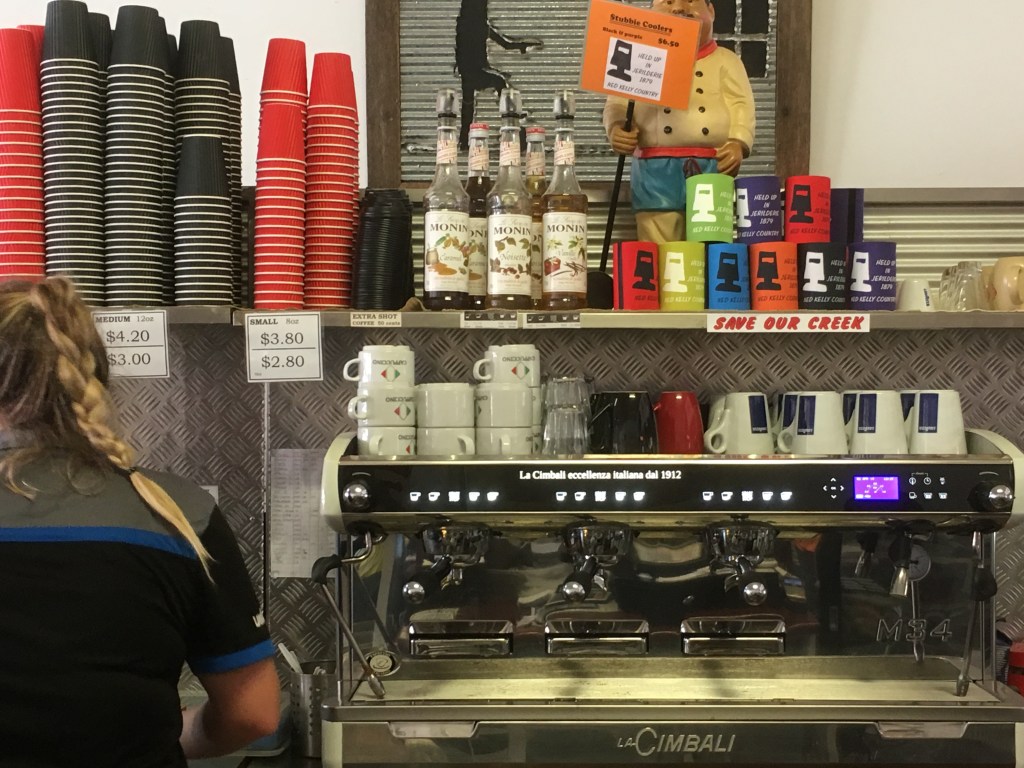
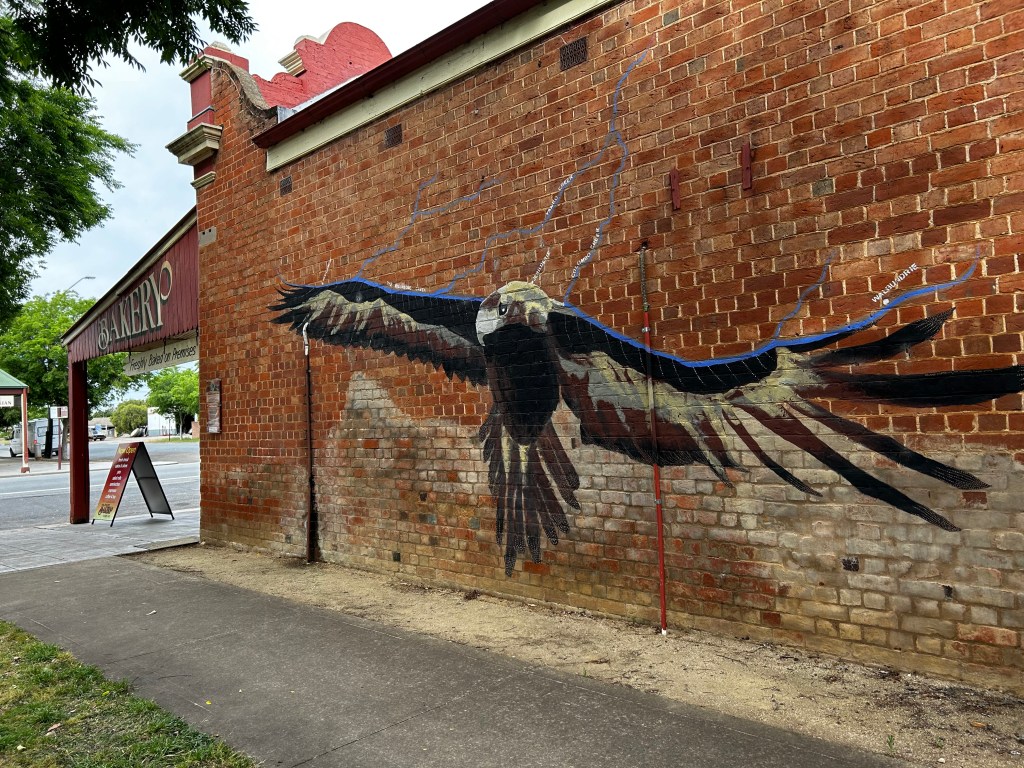
The next stop was Jerilderie, home of a good country-style bakery. It didn’t disappoint. Not just a great collection of pies, pastries, cakes and sandwiches but a good coffee – and as many different faces this side of the counter as on the murals on the walls depicting parts of the town’s history.
Most notably, Jerilderie was made famous by Ned Kelly and his gang taking the town hostage for four days in 1879, not just to rob the bank but to have time in which to compose a letter putting his side of the story to the politicians and the police of how he became wanted as a bushranger.
Jerilderie is also celebrated as the childhood home of prominent World War One commander Sir John Monash.
A brigade commander in Egypt, Monash took part in the Gallipoli campaign and went on to lead a division in north-western France.
In 1918 he became commander of the Australian Corps, at that time the largest corps on the Western Front.
Deniliquin, it is said to be part of a multiple-ring structure, which is suggested to be at the core of a 320 mile diameter impact structure formed by a meteor strike over 400 million years ago.
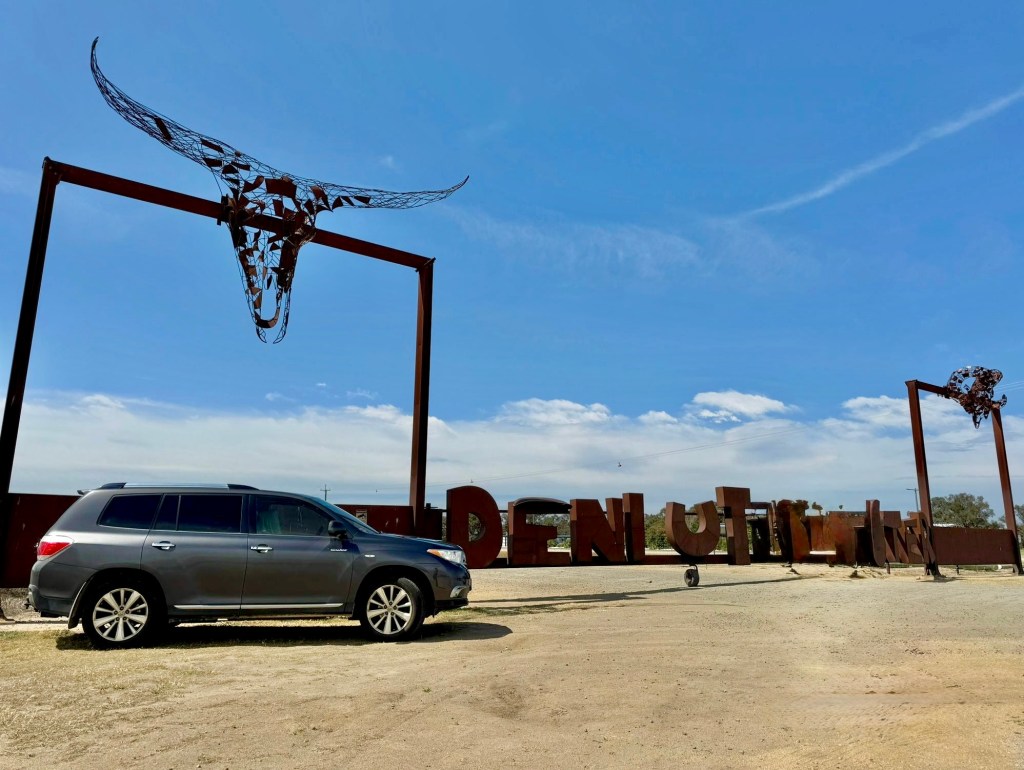
Today, it is famous for the Deniliquin Ute Muster – a celebration of Australian utility truck culture with world records for ute counts and the numbers of those attending who are dressed in the traditional shearer’s blue singlet.
The “ute” is said to have originated in 1934 when a Ford designer modified a passenger car to create a workhorse for a Victorian farmer’s wife who needed a vehicle to “go to church on Sunday and carry pigs to market on Monday.”
The ute muster today sees classic Holdens and Fords, together with brands such as Land Rover and Toyota, Mazda and Mitsubishi, all congregating in the dust at Deni in late September-early October – or in the mud, depending on the weather.
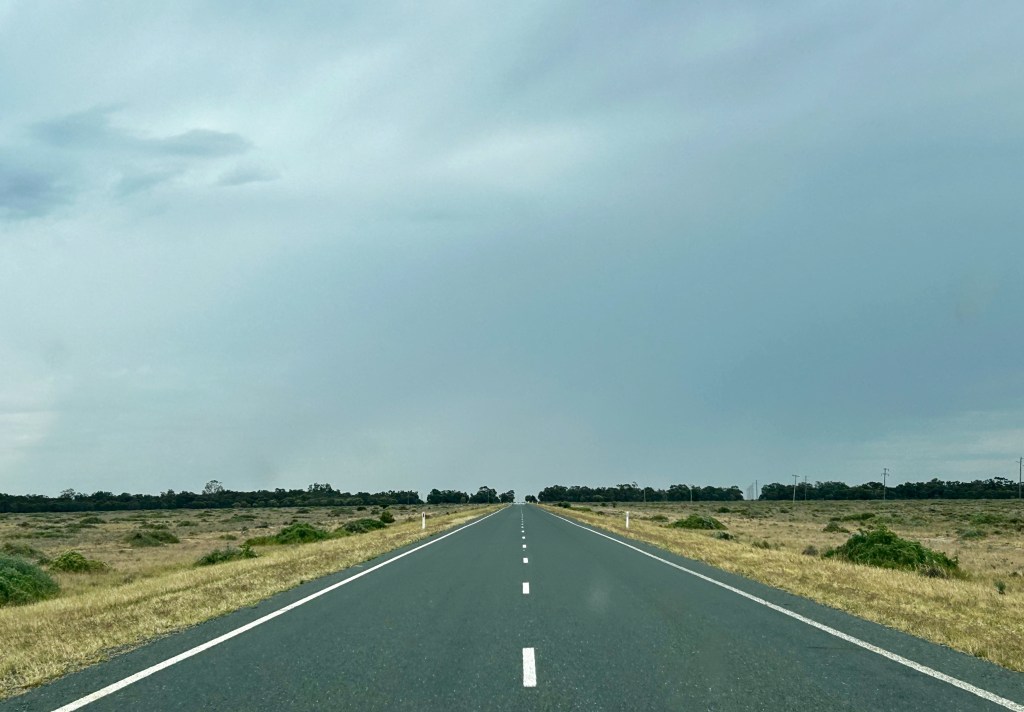
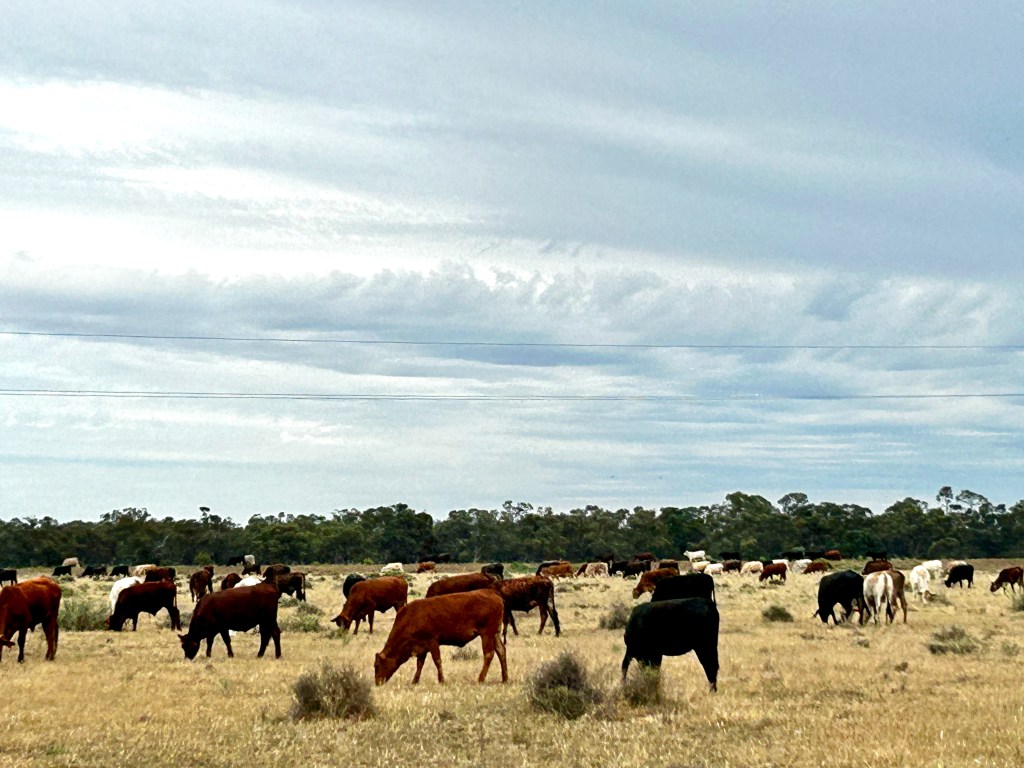
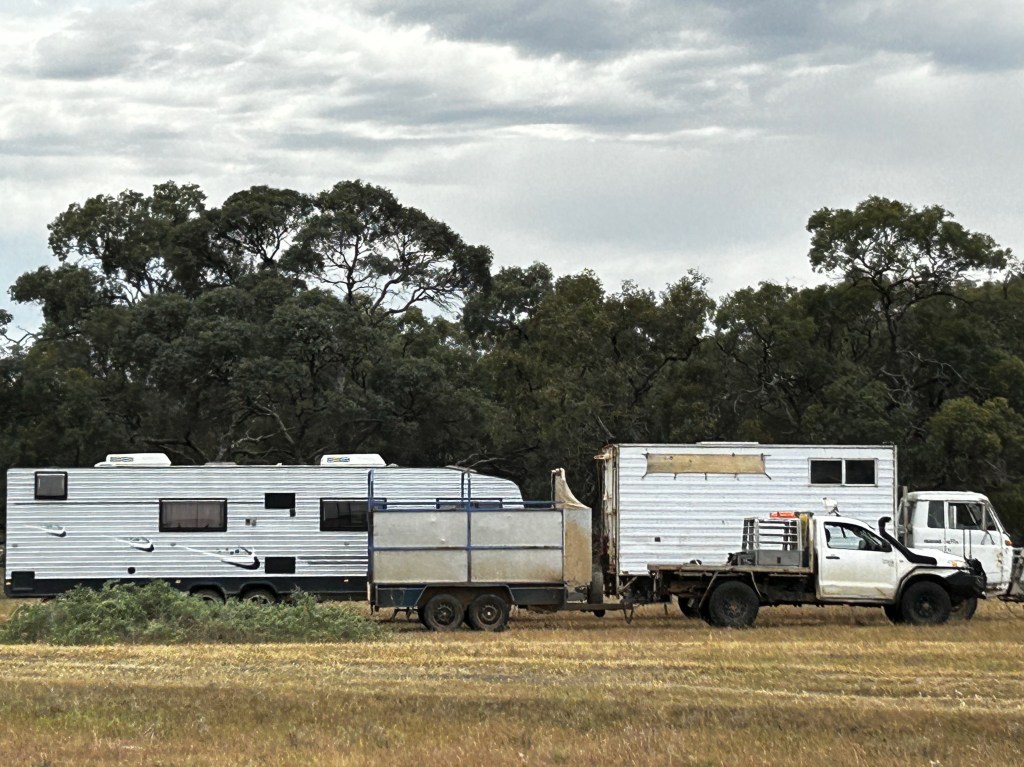
We head west on long, flat straight roads through cattle country. There are drovers using the stock routes – or the long paddock – to graze cattle while moving them to another holding.
It’s a place where we can make up some time as on the third night we will sleep at a winery in South Australia – about 200km from our destination.
That means crossing into Victoria today and through the remote Mallee areas before hitting the South Australian border. Luckily, that will buy as some time as they are 30 minutes behind due to the drive to the west and crossing a time zone.
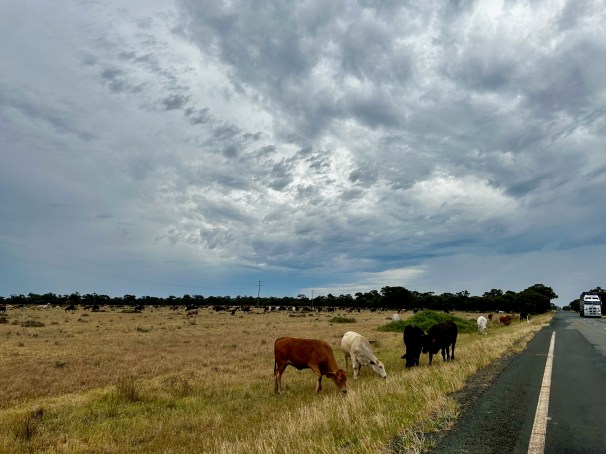
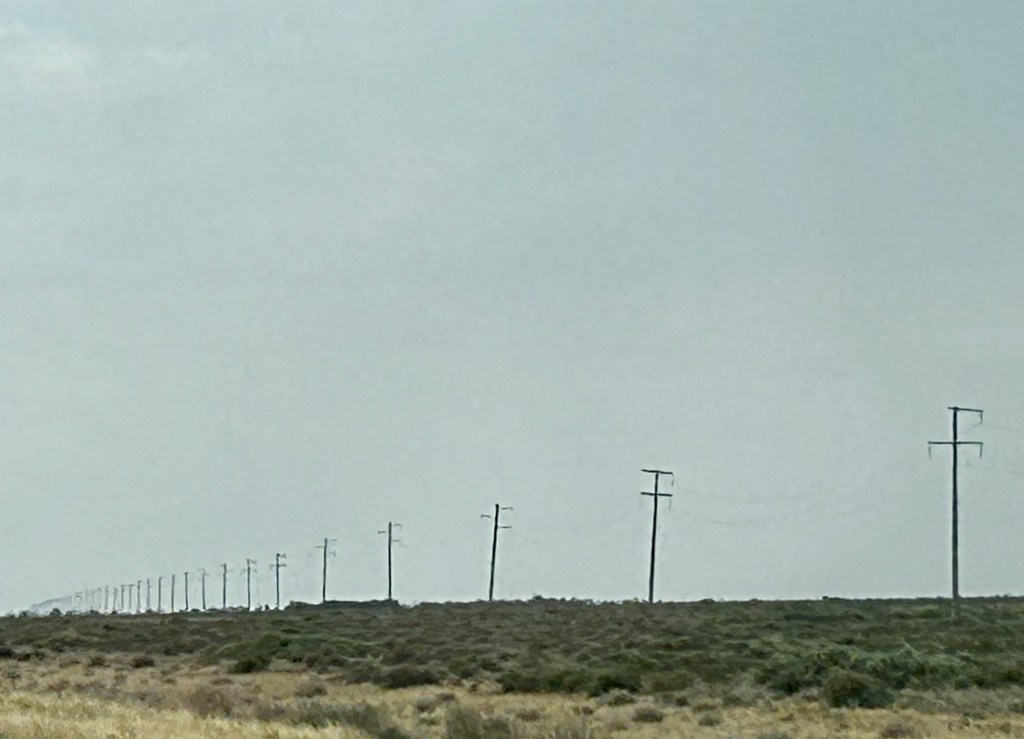
Just as you become mesmerised by the electricty posts stretching seemingly endlessly alongside the road to the horizon, the driver asks: What does mobile speed cameras mean?
There was a sign that they might be in operation in the area.
Here? Miles from a town?
They are either speed cameras positioned on the roadside that can be moved from site to site, I suggest. Otherwise they could be cameras attached to police patrol cars.
Like this, my colleague exclaims.
There, right in front of us and coming from the opposite direction is the only other car in sight – a NSW traffic and highway patrol car.
What’s the speed limit out here?
Probably 110, I guess.
They pass by.
I might have been doing a bit over that, she admitted.