A 1970s traveller’s tale of experiencing the plains of Seville and the coastal life at Malaga
The ferry pulls up to the riverbank. The Rio Chanza is slow and wide at this point. It’s a grey day but I’m back into Spain. Ayamonte is an interesting place but I will remember it for the rain.
I have crossed the border from Portugal and wander through the paved streets. A central square with rows of citrus trees.
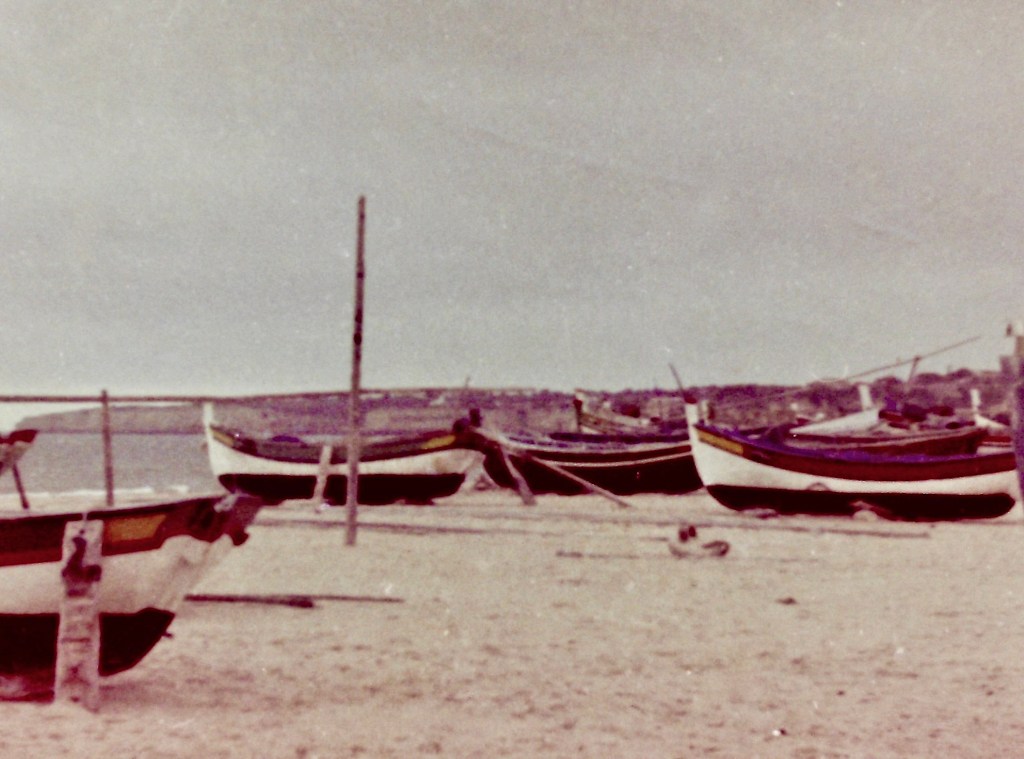
Grab a coffee and ham roll at a cafe then catch a bus to Huelva.
There are not going to be many vehicles on the road from the border. Most traffic seems to concentrate in their local community.
The countryside slips past: muddy estuaries, rocky hills, gum trees. The town of Huelva is ordinary.
This is during the Franco era and a time of shifting politics – there are moves for separation from Spain in the north of the country.
Meanwhile Spain is pushing for the United Kingdom to hand them Gibraltar – the gateway to the Mediterranean.
Under Franco’s dictatorship the Guardia Civil served as part of his regime of repression. There had been stories of their harsh activities as we travelled through the north, and while the south was more conservative it was best to keep your head down.
So I grab some milk and oranges and start walking.
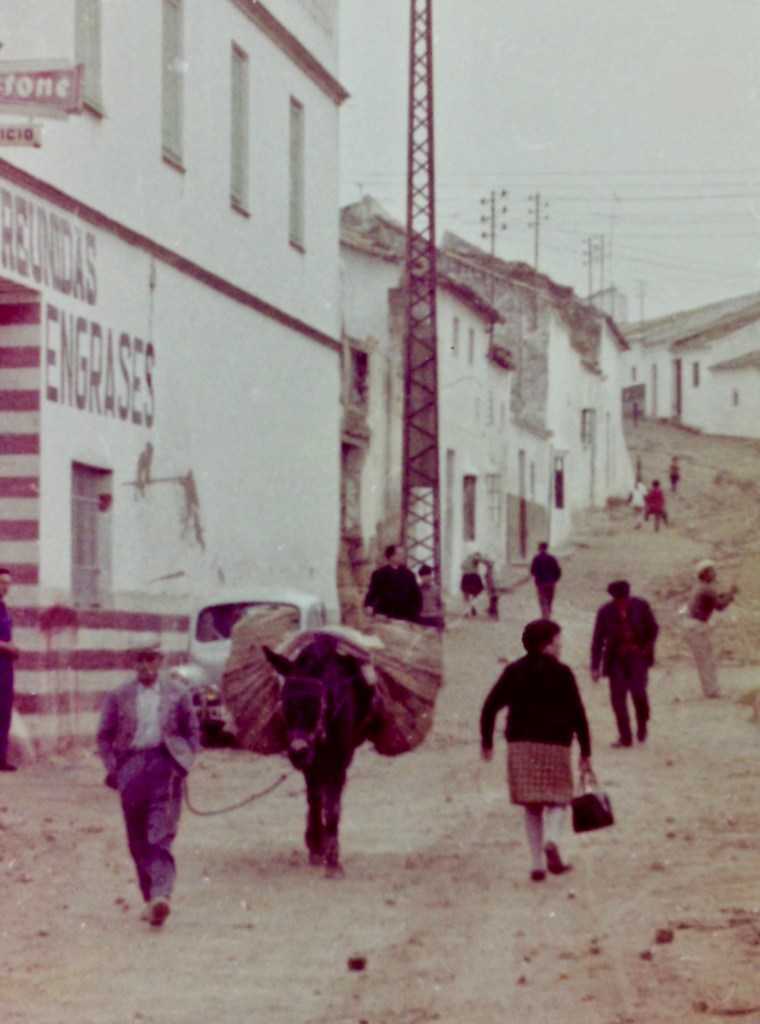
Five kilometres later a van pulls up and we are heading for Seville. About half way to this famous city of churches and festivals we stop at a bar-cafe. After all, it is siesta time … and my introduction to tapas.
Vino, sardines, olives. We communicate … more through gestures than anything else. He buys some asparagus from a roadside stall and I tell him that I come from an area in Australia where it is grown. Together with potatoes, carrots, onions, tomatoes, corn … just about anything you liked.
Then we continue through vineyards, orange orchards, olive groves and the land of the bulls.
The plains of southern Spain are much like the grasslands of Australia or the rangelands of the US. It is here that the best and bravest bulls are raised – destined for the bullrings.
I’d read Hemingways novel Death in the Afternoon that focuses on the ritual that shows both courage and mortality.
The book explores bullfighting as a dramatic art form rather than just a sport, and why it had been such a part of the nation’s culture.
I needed to be convinced.
Nearby is the port of Cadiz … last port before the Canary Islands or Madiera and the New World.
Founded by the Phoenicians as a port in the 7th century BC, it flourished as a port and naval base under the Roman Empire.
After 1492AD Columbus sailed from there on his second and fourth voyages to the Caribbean and Americas.
As evening closes in I get dropped off on the outskirts of Seville. Founded in Roman times, it is the capital of Andalusia – the second self-governing region in Spain by size to Castile and León in the north-west.
It was the home of Carmen, and the barber of Seville. A city of gypsies and matadors, home of Don Quixote. Christopher Columbus is buried in its cathedral.
Seville is big, dusty and windy … but I’m only on the edge.
The Seville Cathedral and Giralda Tower is the world’s largest Gothic cathedral yet that is the cost of hitch-hiking – you can miss seeing these places.
Stop for a Coke at a bar. It’s getting dark and I’m trying to bypass the city.
Walking on for maybe three or four kilometres, trying to get to the countryside.
Then I remember … I’ve left my camera at the bar. The trusty Pentax SLR. Everything is captured on film – no digital photos in the 70s.
Run back and the family have it behind the bar.
Such a smiling group. I try to give them some sort of reward. Instead, the brother gives me a lift out of town … and a beer as well as some olives to go with it.
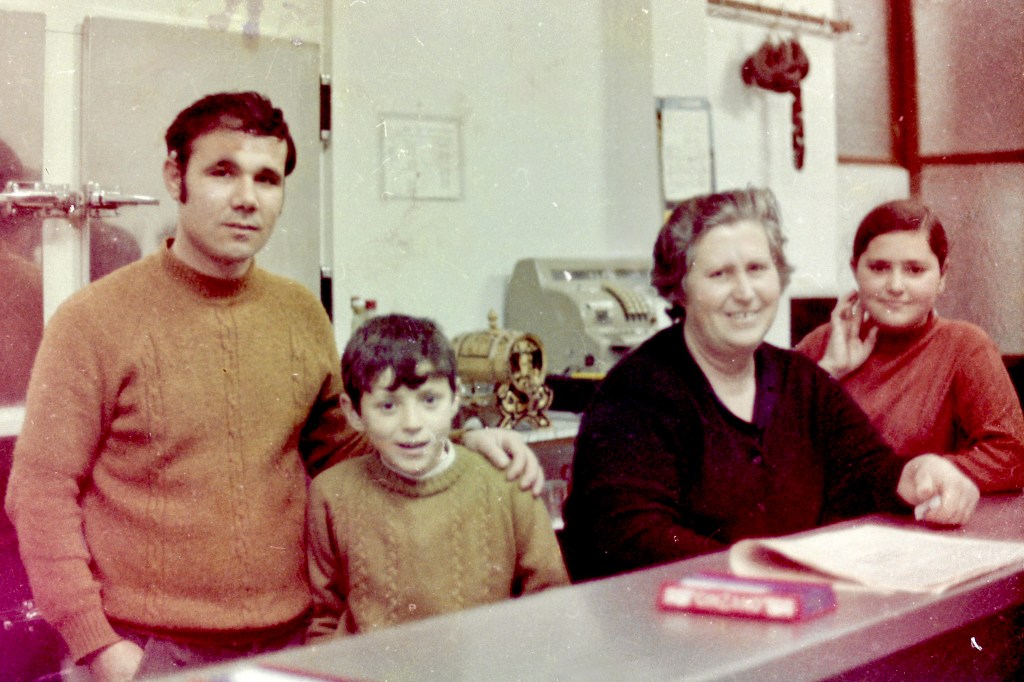
It reminds me of a friend Peter’s adventures in the US. From Perth in Western Australia, he was hitching through the southern states.
Much like me, he was circling the city centre and heading out of town. Walking along a suburban street, when he asked a man washing his car in the driveway if this was the road out of town.
The guy agreed, without looking up. Peter continued walking. A block or two further along the guy drives up and asks him if he’s from around these parts.
When Peter says he’s from Australia, the guy is just so apologetic about the way he dismissed the way he was asking directions.
He insisted Peter jump in the car and stay a couple of nights with his family to show him just how hospitable the South can be.
I sleep under a stone bridge. It’s been quite a day.
Next morning I start walking again … with lemons in my pocket and a breakfast of biscuits. Walk until dawn then get a lift.
You don’t expect it. It’s a reasonably main road but most of the cars seem to be used only around the towns.
The countryside is a lot like Australia … the road to Biloela or the road to Bourke. I feel a strong familiarity with this land. Maybe it’s the landscape … wide and empty.
Maybe there is a trace of Spanish heritage … but then again I felt this in the Scottish highlands. It’s probably the solitude.
So I catch the bus into Estepa. The country is more arid. Olive trees instead of the mallee scrub and cattle of home.
The day is warm and I am still walking. Probably the furthest I have ever walked.
Around the end of a long range of mountains and with a sea of olive trees in front of me. The road is almost a straight black line to the horizon.
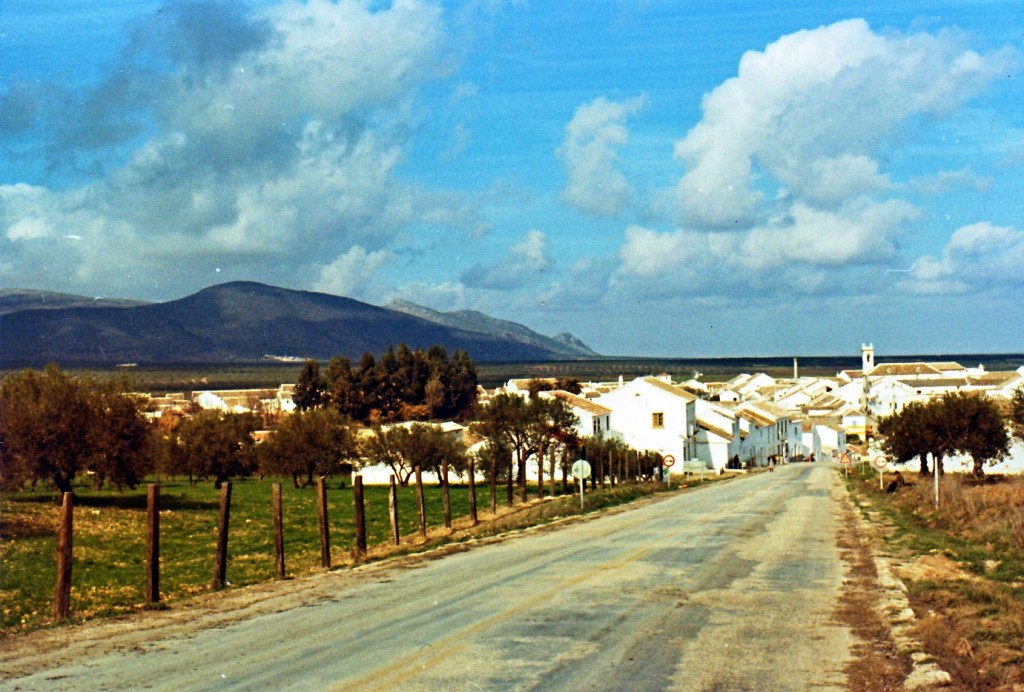
Half way along it a greengrocer pulls up and gives me a lift to La Roda. And leaves me with a couple of oranges for the road. This is Spain.
I walk up the hill on the road out of town and rest beneath an olive tree for a siesta. It’s as if I have found a moment in life that will last in my memory.
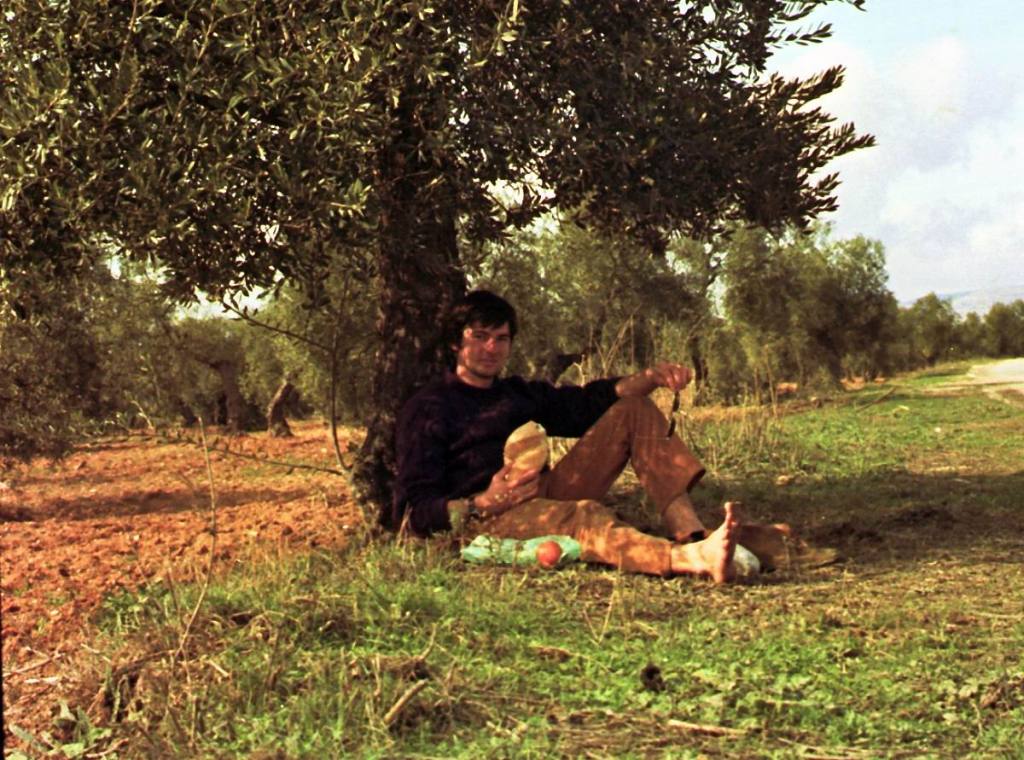
Another seven or so kilometres further along a mirror salesman picks me up and soon we are at Antequera. It’s been a great day. Made much more distance than I expected and met some nice people. Malaga is only another 60 kilometres.
I am walking through Andalucia. I don’t like to stand at the outskirts of town and wait for a lift. I prefer to get out there and start walking. You never know where you will end up.
The Moors ruled Spain from 600AD until 1492.
The Spanish are very similar to Australians. They love life, sport, the land. Yet they have a certain dignity and honour built up over centuries … like a bullfighter.
The civil war pitted workers and academics against the bourgeouise and military. Brothers in arms. Brothers against each other.
As for me, I make my way up a steep part of the road. Probably walk for an hour up into the mountains. Even resort to eating a few olives straight from the trees and water from the puddles by the roadside.
The sunshine is still on the plains below but I am in the shadows up here and it’s turning chilly. Again, I get a lift when it is least expected.
Three men in a Renault. A fast trip through some spectacular scenery then finally dropping down into the coastal city of Malaga. Mull-aga. Not Ma-larger as we have pronounced it in Australia.
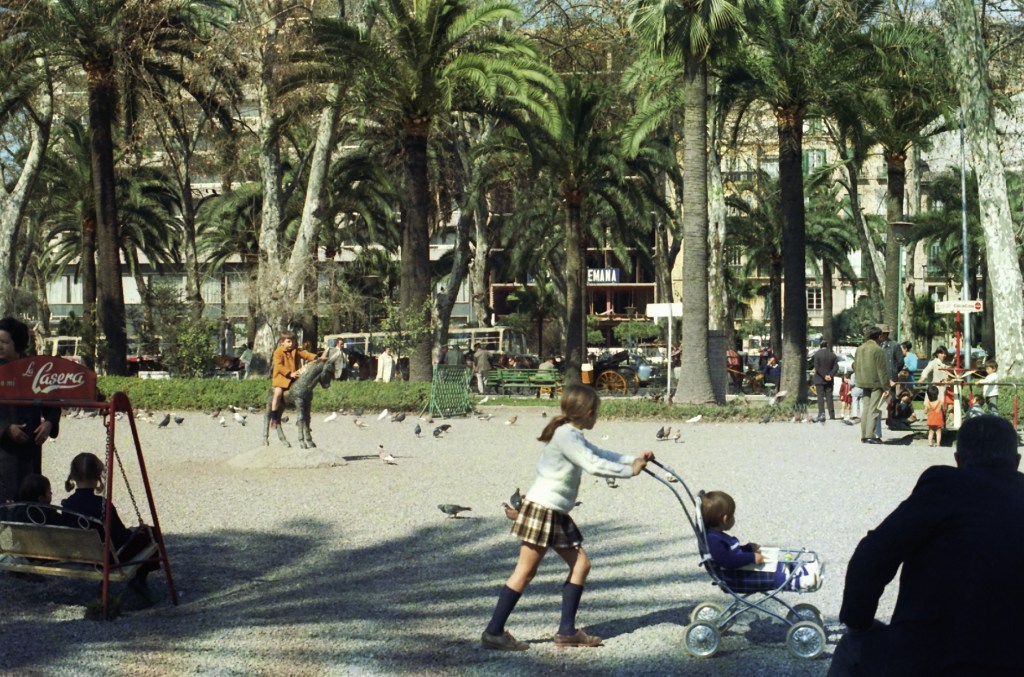
I reflect on the past two weeks. I have really been living. The avenues of Malaga are wide and palm lined. There is a nice harbour so I follow the shoreline to a camping ground.
Set up under the stars and gum trees with the sound of the sea beside me. I’ve made it this far. It feels good. Tomorrow I will go to the post office at 10am.
That was the pre-arranged plan with fellow workmates in London. Get to Malaga and go to the post office each day and see if any others have arrived.
There were no mobile phones in the early 1970s. Just letters addressed to Poste Restante at the local office – it’s a world-wide service I guess where a post office holds mail for the recipient to pick it up.
As it turns out, most of the group are already there. At least the ones that came by Bedford campervan. Mick and Ron, Patsy and Maureen.
They had been in Malaga a week … camped less than 20 metres from where I set up.
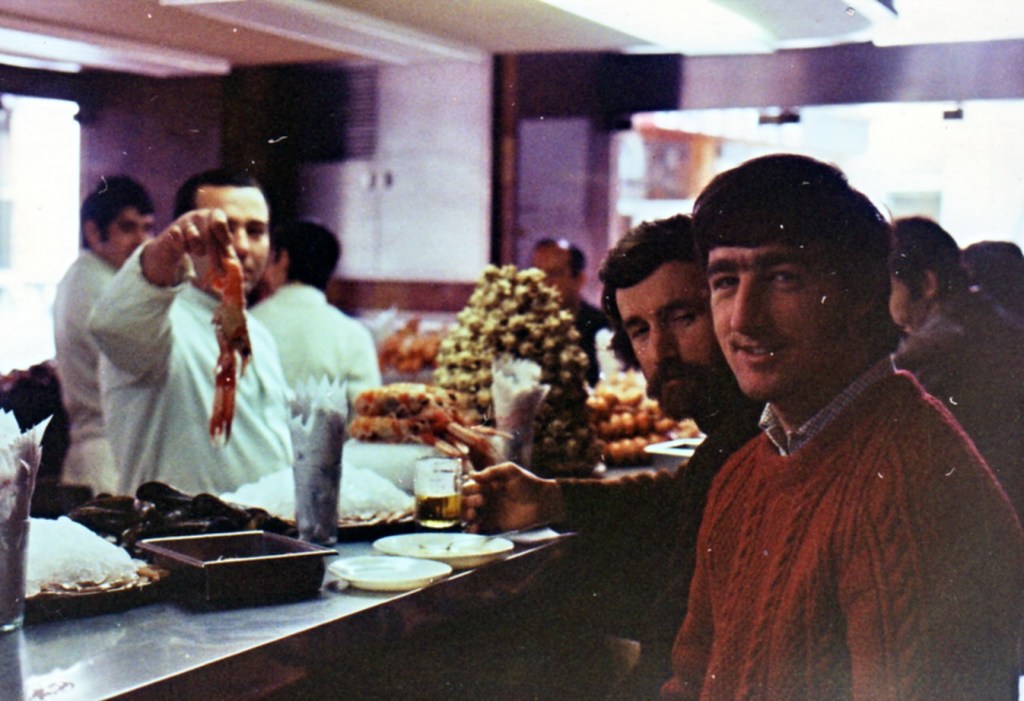
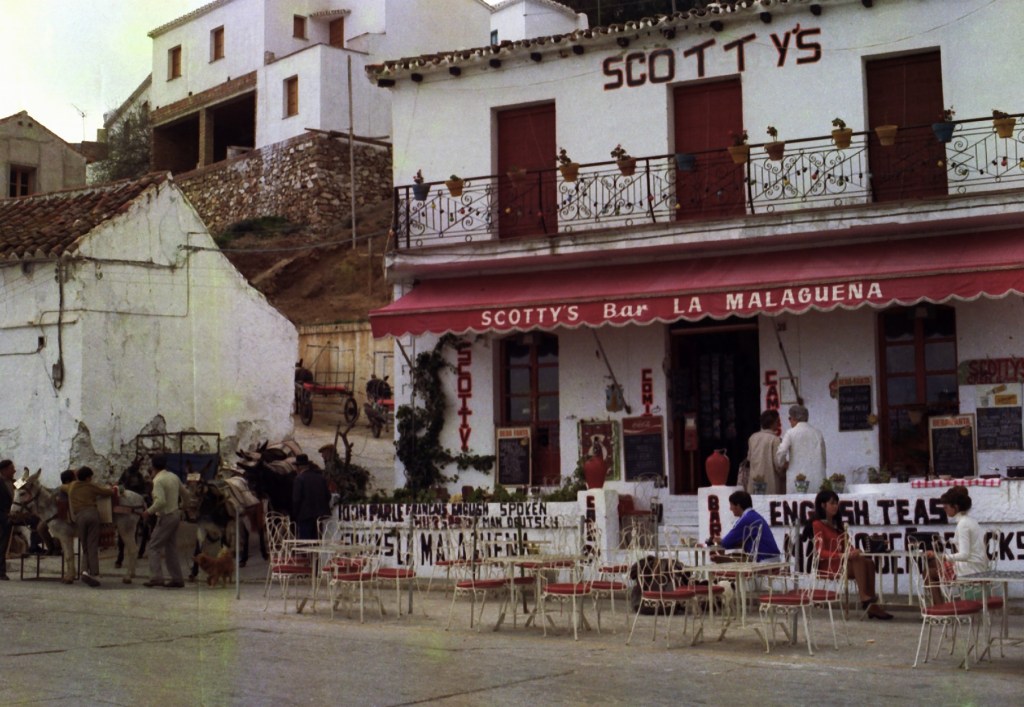
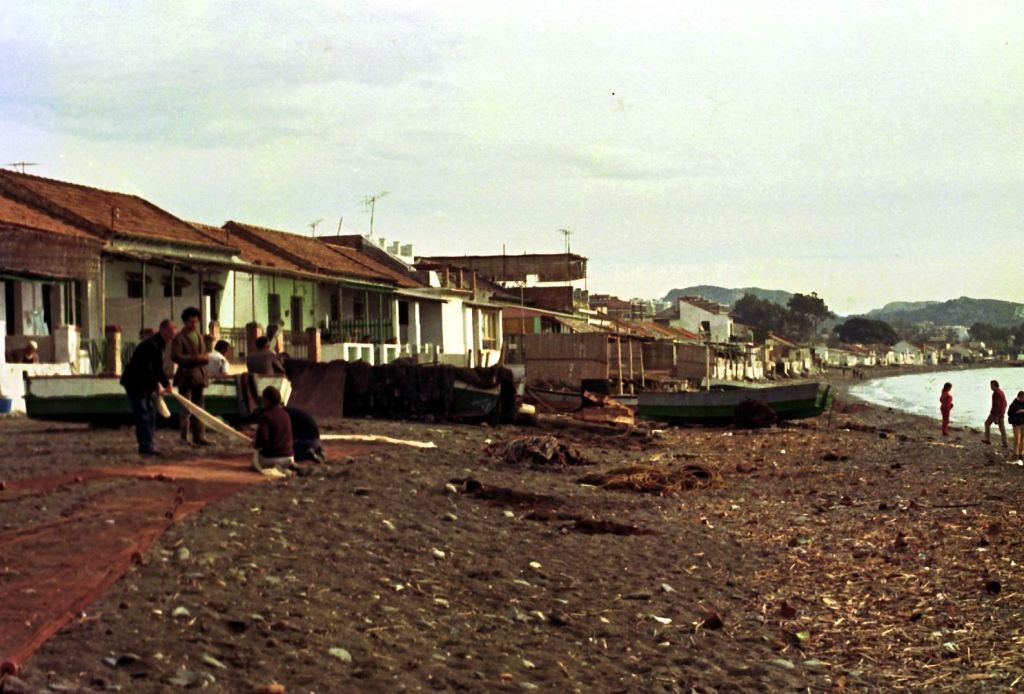
My hitch-hiking mate Trev arrives a few days later. From the Lisbon youth hostel he had kept to the main roads and the city of Cordoba rather than the more rural areas.
The next day we drive up the coast about 12km to Rincon de la Victoria. We have rented a villa for a month … $8 each. It’s on a headland overlooking the Mediterranean. Across the horizon is Africa. To the west is a valley of farmland with a rugged hill beyond it. Way off in the distance is Malaga.
To the east is the fishing village. Way, way off in the north-east are the snow-capped Sierras. Here, we swim 20 days out of 30, lay in the sun and read, explore the rocky coves and caves of the headland … from the water.
Walk into the village. A beautiful little church. They are the best ways to get an insight into the changes of architecture.
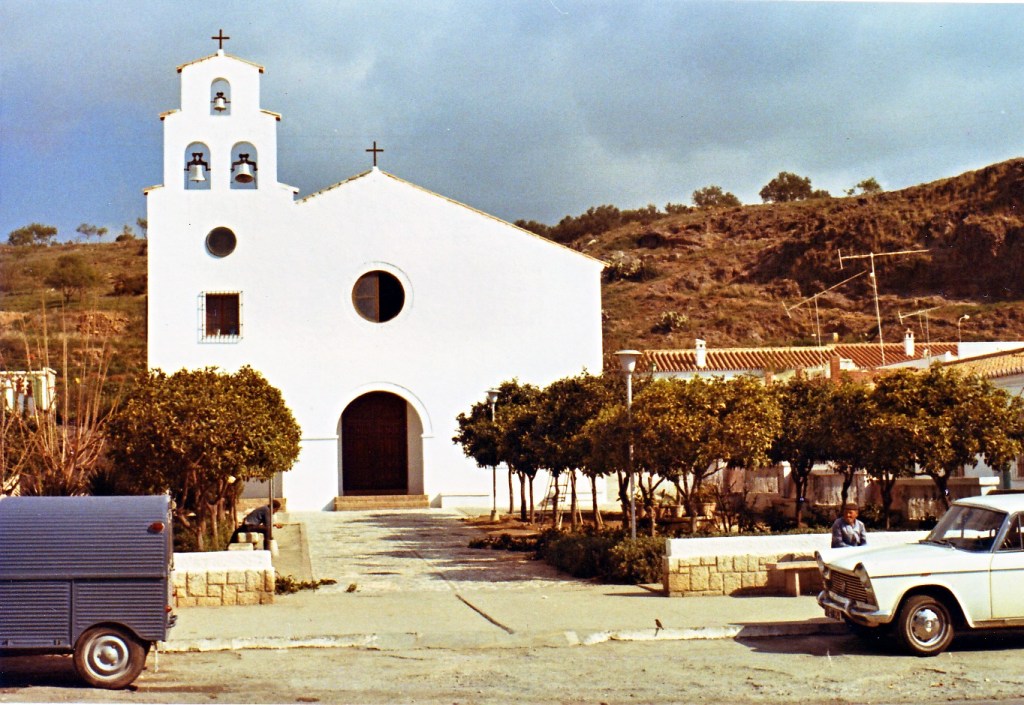
Days of enjoying those custard-filled donuts of Spain, cafe con leches, fresh fruit. We go into the village of a morning to buy fresh fish, fresh vegetables and local wine.
In the evening it’s fascinating to walk along the seaside and stop off at the tapas bars. Life moves at a slower pace.
Just on dusk, returning home, and the front door of a house is open. In the hallway, a woman is giving birth with the help of a midwife or a neighbour. Village life.
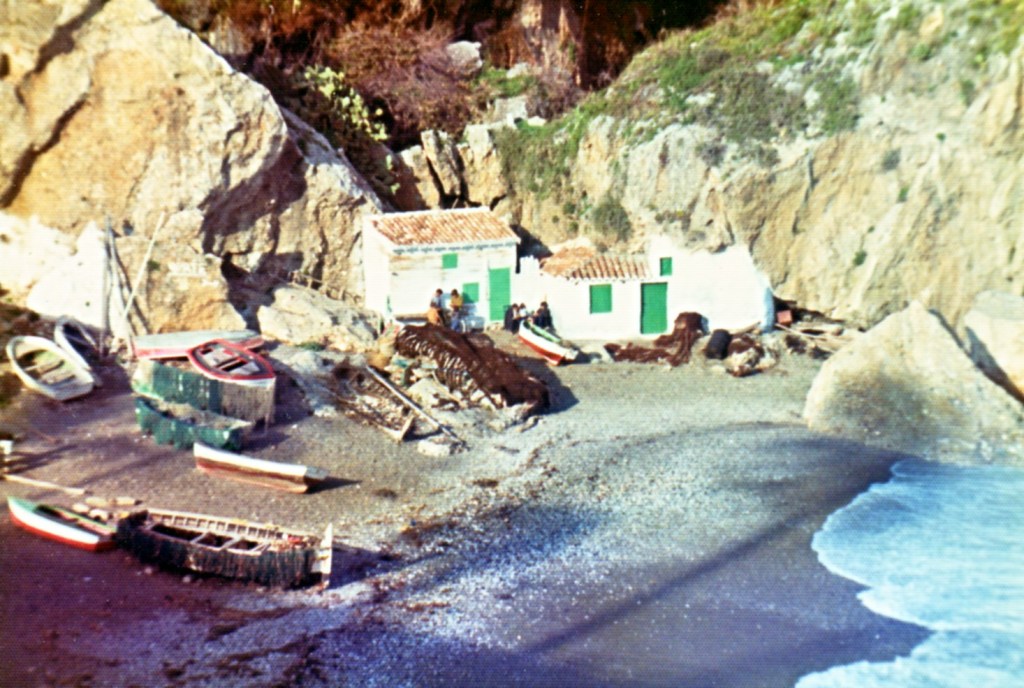
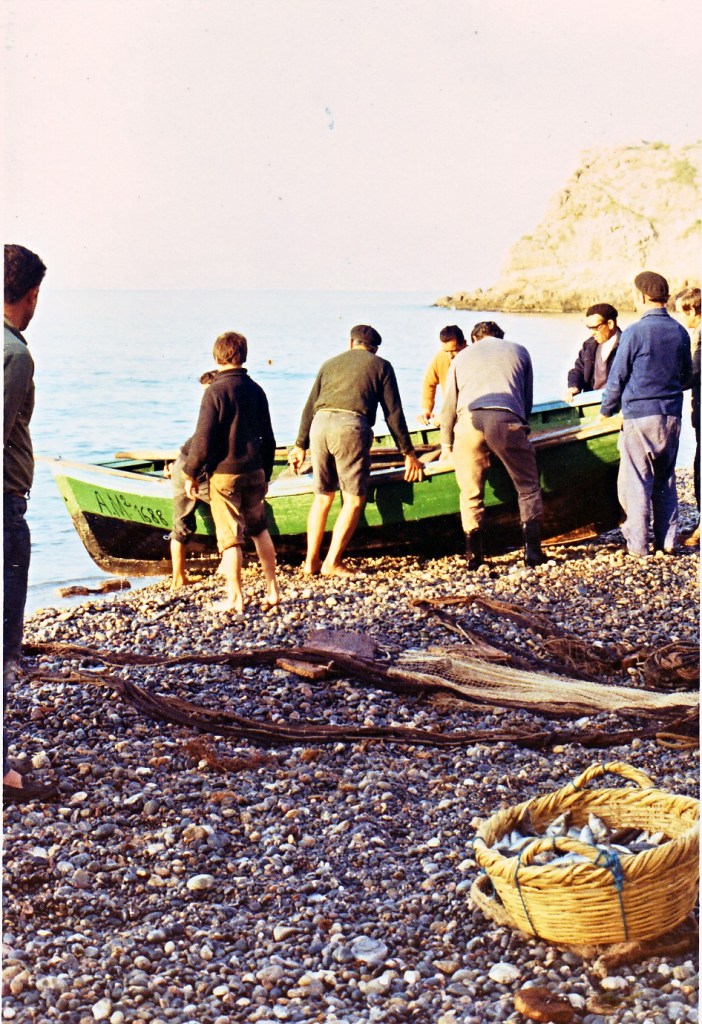
Sit in the sun, watch the fishermen talking … the past, the present and the future generations … playing dominos, sorting the fish, mending their nets in the warmth of morning.
There’s a sense of security in these everyday things. The feeling of goodness as the sun warms the soul and body.
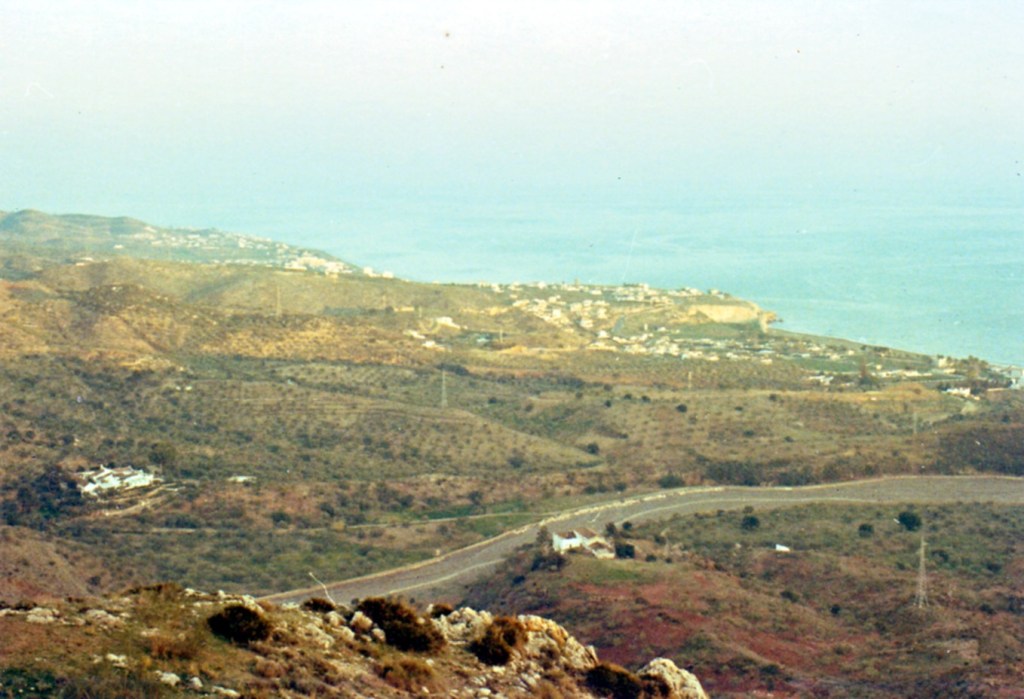
Taking time to reflect. It’s been an interesting journey so far.
Following such important footprints in these parts of Europe.
History is all around us … we have not sought it … yet we have been walking through important sites in time.
Experiencing 1970s Europe among all of these mileposts.
London, founded by the Romans and which has been a major settlement for 2000 years. Then there was the place where the Seine reaches the sea – not the part of the river on all of the postcards as it winds through Paris.
The parts of Normandy that saw the D-Day invasion by the Allies against the German Nazi Army – the largest seaborne invasion in history.
Lisbon and the Age of the Explorers, with monuments there as well as Cadiz.
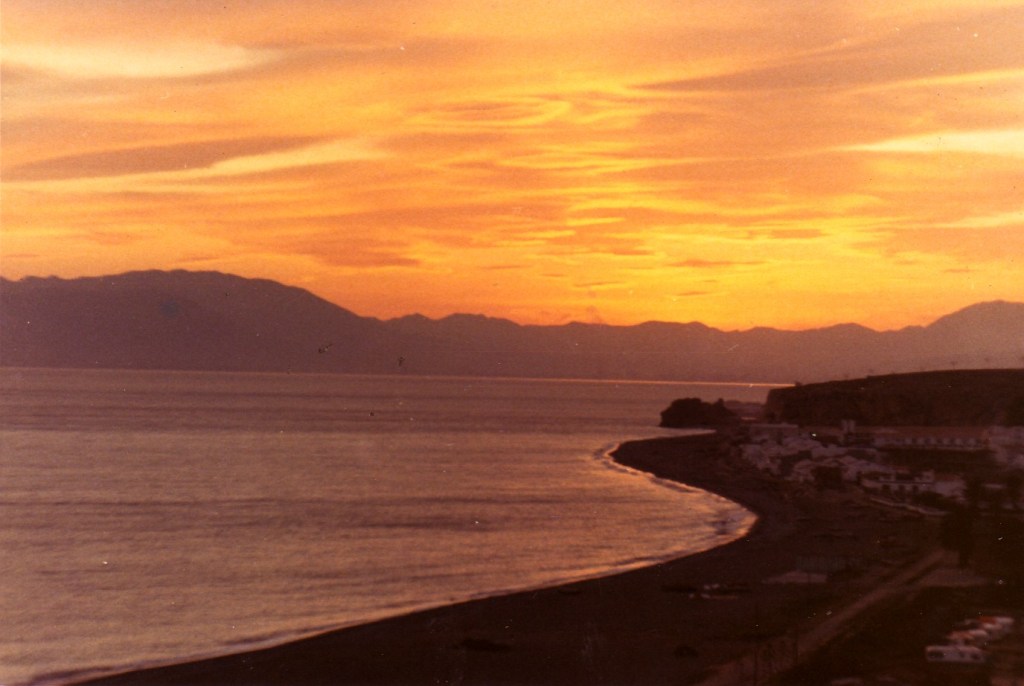
Now, looking out over the Mediterranean Sea, it’s a chance to balance the history of Spain with everyday life as it washes over you.
 leavearly