Europe in the ’70s was a different era – and everything a great adventure
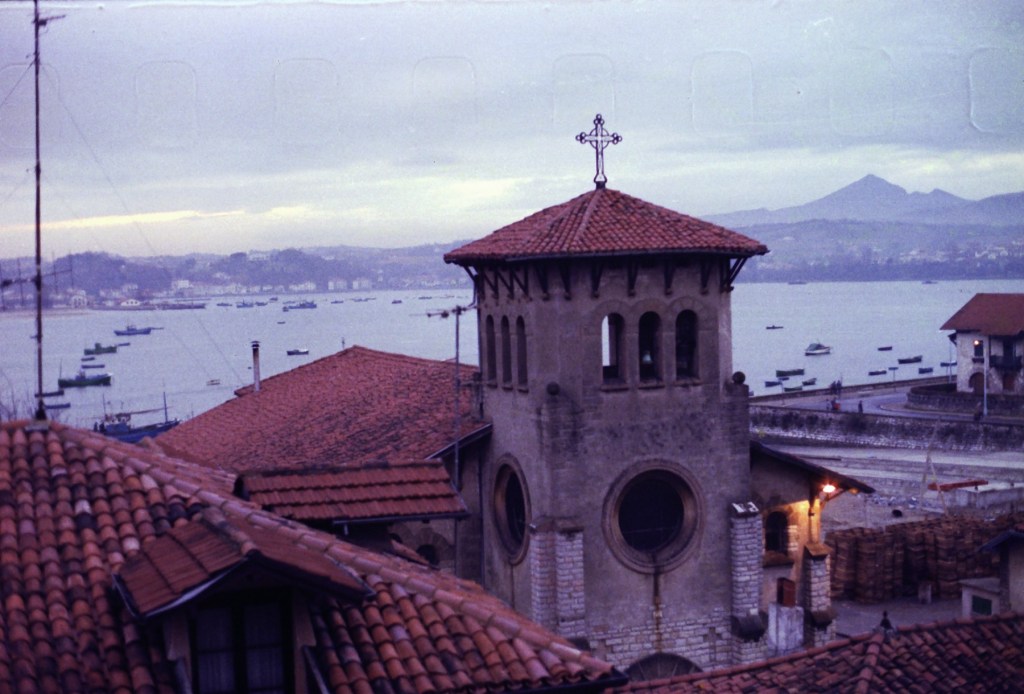
We wake to a wet tent, wet sleeping bags, and wet clothes from camping in a car park and being drenched by overnight rain.
So it’s into the Alencon railway station to dry out.
A Mars bar, french bread stick, cheese and a bottle of red wine later, we catch the train to Tours.
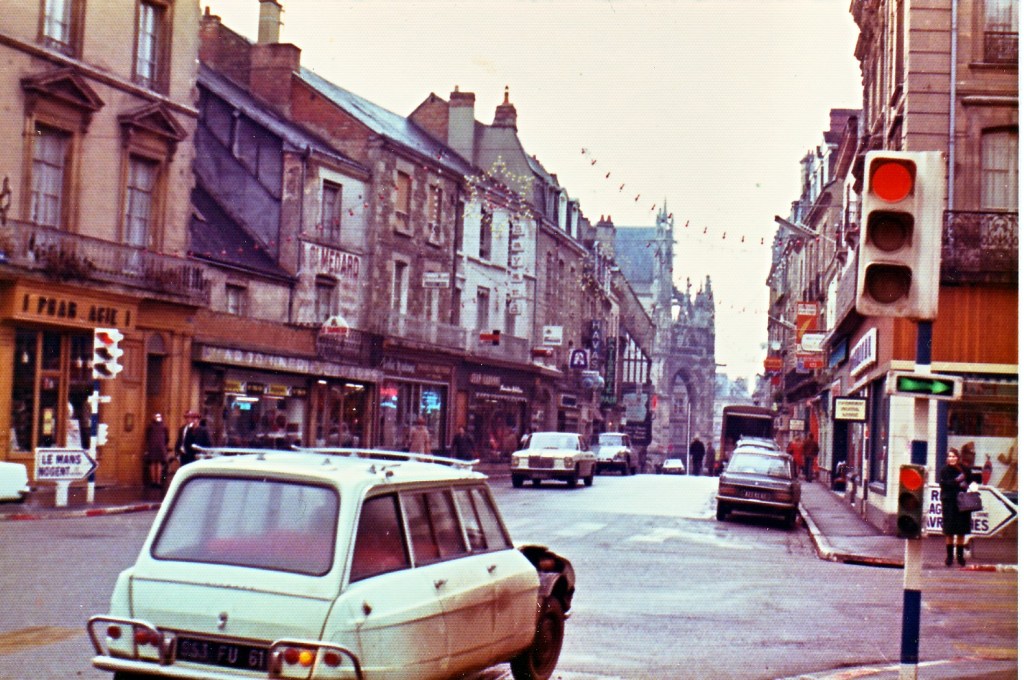
The countryside slips past. Old buildings, historic castles, new apartment buildings and vineyards.
Book tickets for Bordeaux. We will be able to walk to Spain from there.
A fellow traveller helps us with the tickets. He only speaks French but we learn that friendship is a universal language.
We plan to sleep on the train. A nice stop-at-all-stations train through the night.
That is what so many travellers did, especially with a Eurailpass that allowed train and ferry travel on a budget through the European countries.
Catch a train at night and wake up in another city and possibly another country next morning.
But it’s not the case on this journey. It’s a superfast train journey and we’re at Bordeaux before midnight.
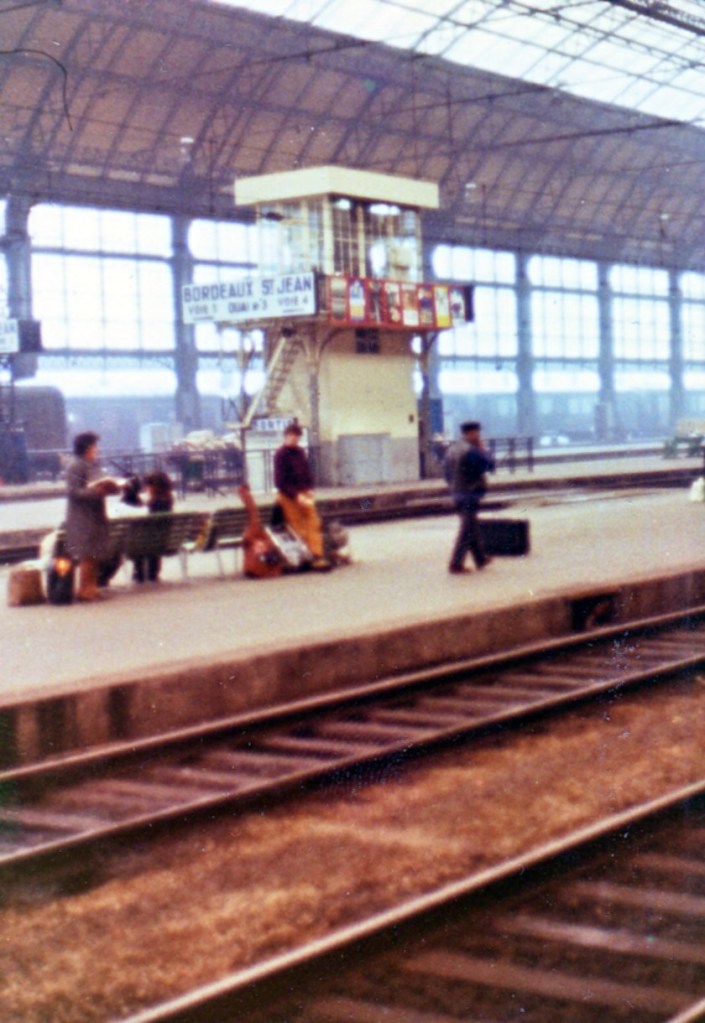
Where we will sleep in this provincial city is anyone’s guess. Somehow, by sign language mainly, we end up in a beautiful bed at the auberges le foyez de jennes … youth hostel.
Youth hostels generally provided dormitory accommodation and everyone shared in the cooking and keeping the building tidy.
The idea was to provide clean accommodation for hikers and travellers.
A pensione or pension hotel provides rooms with few amenities and also appeal to budget travellers.
The next day we head for Bayonne by the way we know … train.
Out of the fog. Into pine forests, farms with cattle, corn in the cribs.
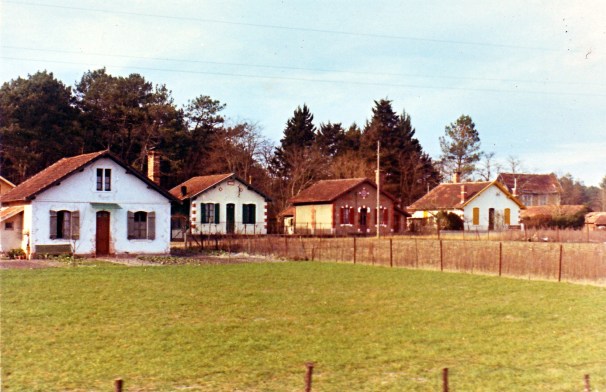
The houses are different. We’re in a land between France and Spain.
A bus to Biarritz and it’s good to see the ocean. Swim in it, sit and watch its endless motion.
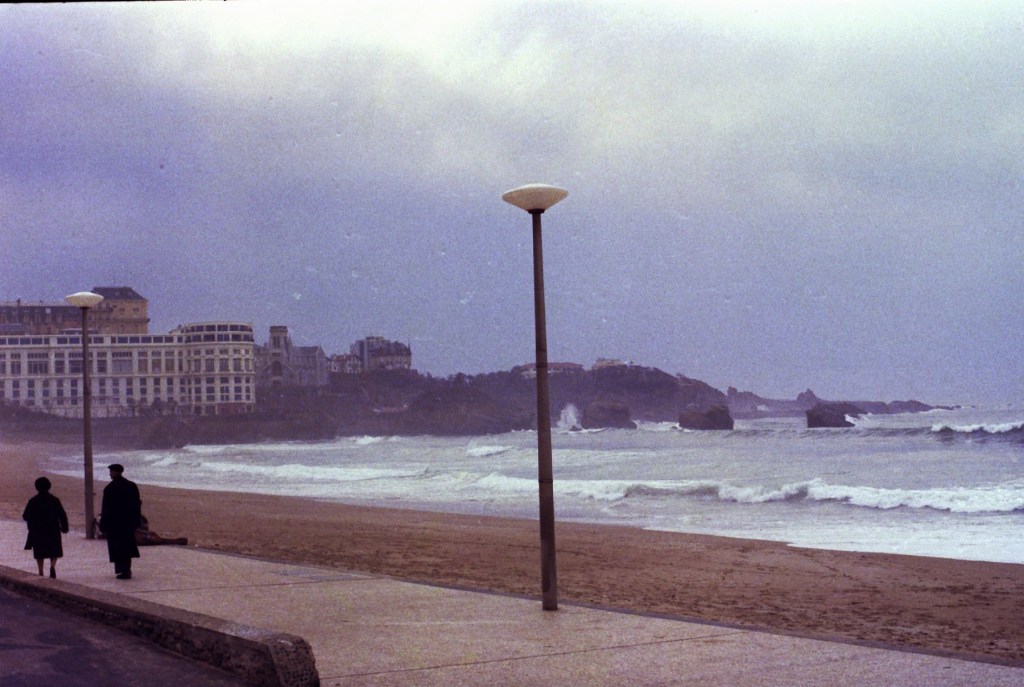
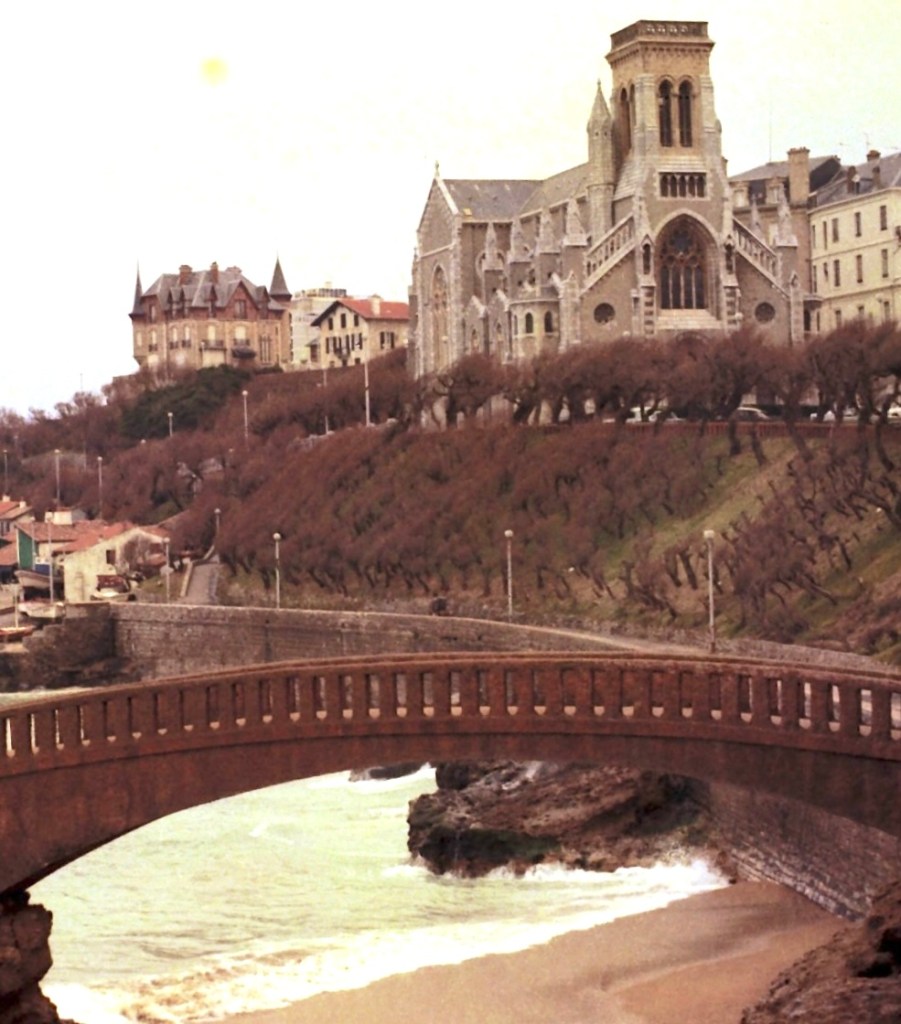

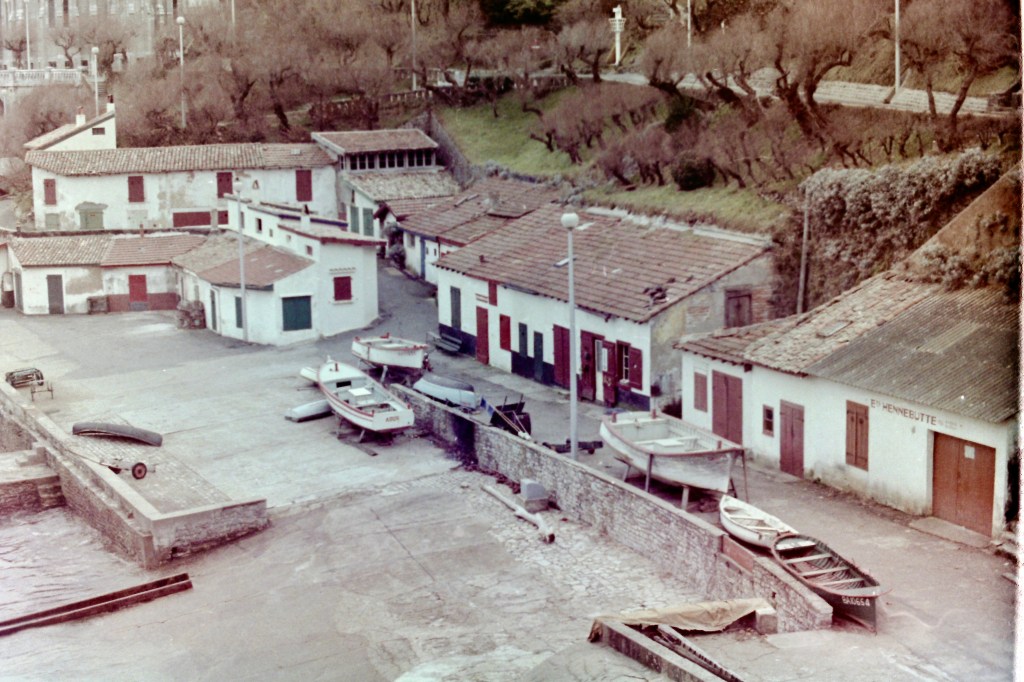
Waves that have come from America end their rush on the sand. The sea is a good friend. You can sleep near it, clean your teeth in it.
Walk along a near-deserted beach. In the distance and in the early morning light are the Pyrenees – the fabled mountain range that forms a natural border between the two countries.
We set up the tent overlooking the ocean, but nearby are the remains of the concrete bunkers and gun emplacements from World War Two. A solemn reminder.
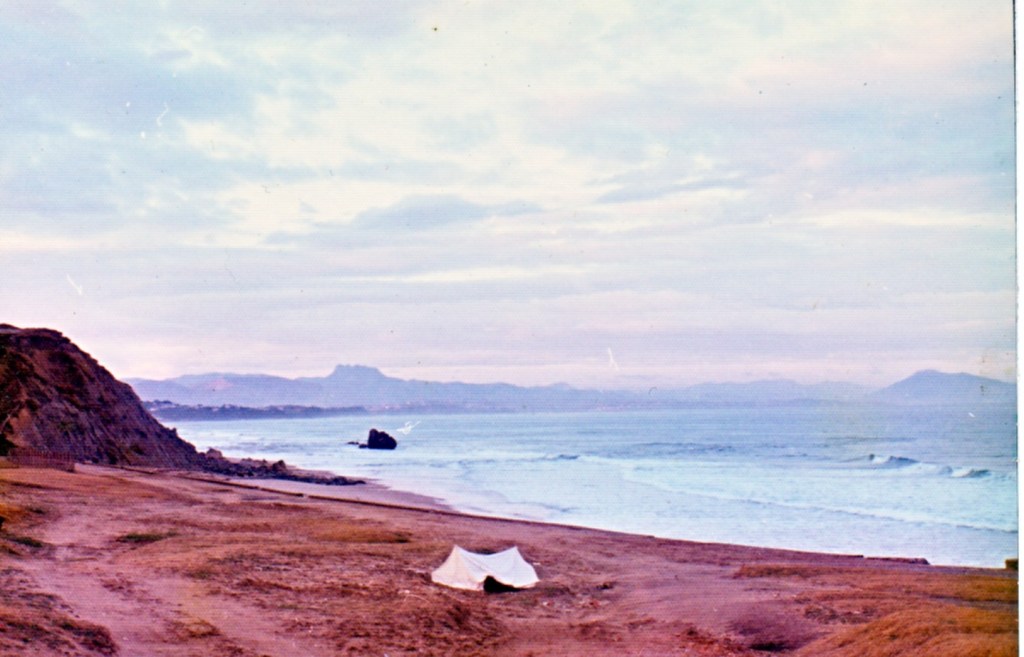
Breakfast at Guethary of fresh apples, milk and chocolate. There are some magnificent surf breaks along this coastline.
The brightness of the day and the coastal lifestyle are energising. I could live here.
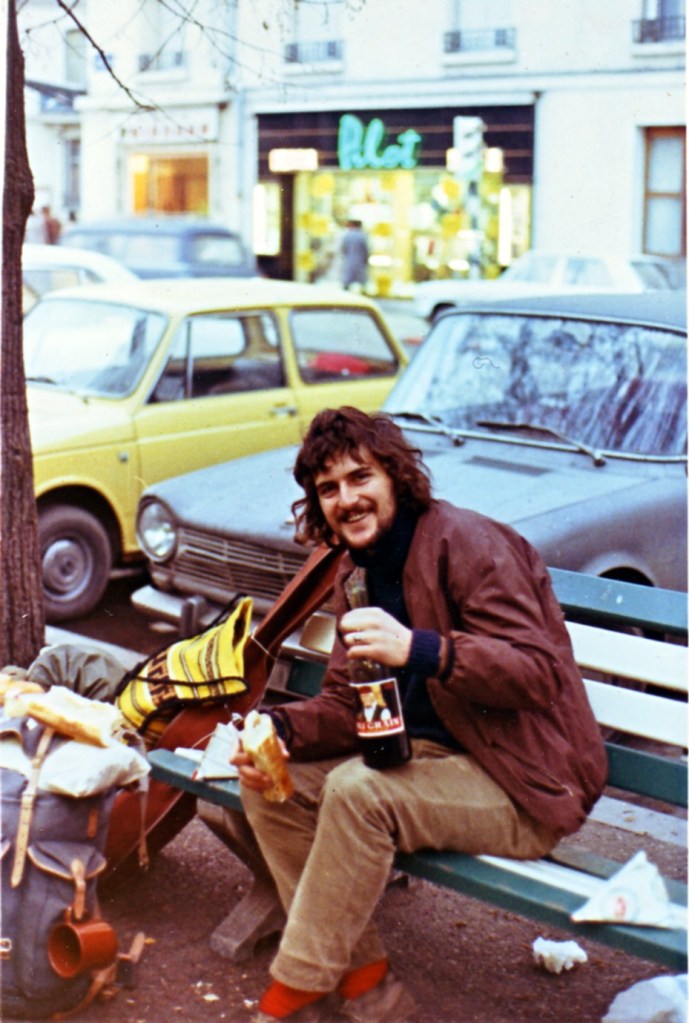
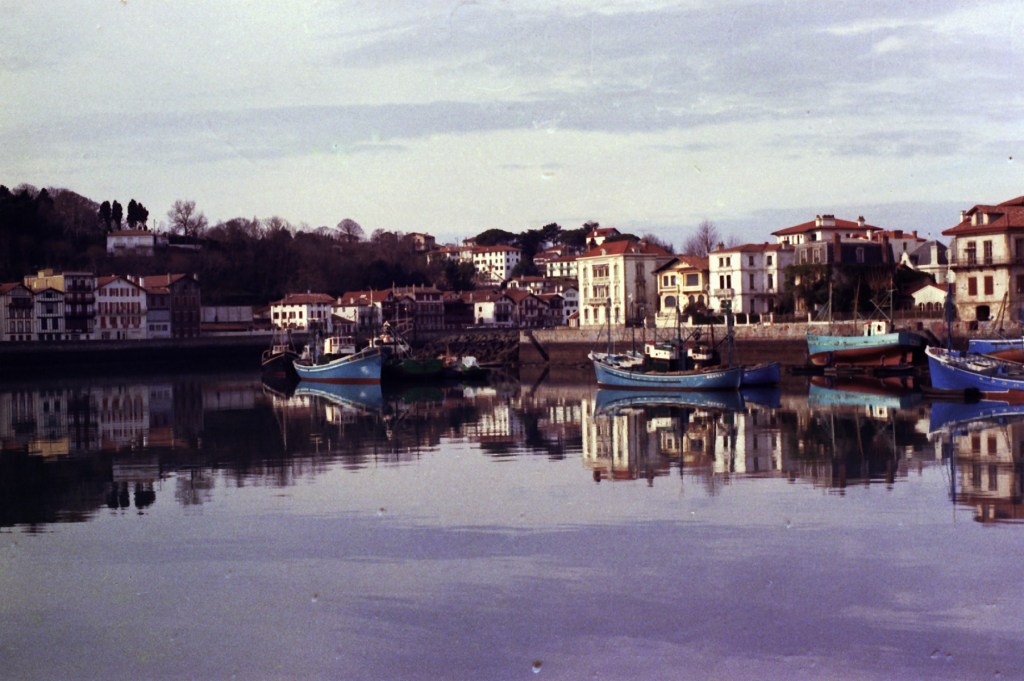
Then a bus to San Jean de Luz, a picturesque fishing village in the sun. We soak up the charm of communities that rely on each other.
I wonder why I’m writing these reflections on journeys that were taken long ago. Why now? What is the relevance?
Is it a matter of self-indulgence, a time to get notes that were written while on the road into print – to make them clearer in my mind? Get a better understanding of what we saw, who we met?
It may serve as a way in which subsequent generations can put the world into some sort of context. Learn from the way we did things – the mistakes we made as well as the glorious surprises.
I hope it will allow the reader to appreciate the changes that have been thrust upon us in the 50 years since The Seventies.
It was a transformative time marked by growing political awareness and the upheaval due mainly to the Cold War between East and West.
There were economic challenges and significant cultural shifts – in thinking, in music, art and fashion.
It was a time for breaking away from tradition and the rise of individualism. In my case giving away team sports to go surfing, skiing and sailing.
Social consciousness took hold, whether it be women’s rights, stopping wars or protecting the environment. There was a sub-culture of a world-wide peace movement.
In a world still recovering from one war and threatened with nuclear destruction there was a certain resilience … a time of hope.
Maybe these words will show coming generations that life is what you make it, not delivered to you.
We had no laptop computers or smart phones, just a travel diary or journal.
No digital camera, just one with film that needed processing.
We often discussed the best way to travel: Trains, buses, boats and planes got you to places but there was always waiting times, whether in queues or in departure lounges.
Walking, hiking or tramping gave you a certain freedom but restricted you by distance.
Public transport also limited you in the ability to search for out-of-the-way experiences.
Then again, traveling by car restricted you to the confines of the vehicle and the interaction of those around you.
Public transport and staying at places such as youth hostels opened you up to other people and conversations that otherwise may not have been enjoyed.
You had to learn the different languages in order to cope on a day-to-day basis. English was not as common as it is today.
Stumbling across the war graves in Normandy confronted us with the enormity of D Day. There – staring you in the face – were rows and rows of headstones and white crosses honoring those who gave all so that others could live in freedom, not bound down by the oppressors.
And to think it happened less than 30 years before … so many soldiers fought and fell on those peaceful fields.

The next day we catch another bus to Hendaye … then we walk into Spain.
We’ve made it. Fuenterrabía (in Spanish) or Hondarribia (in Basque) is an historic fishing village at the mouth of the Bidasoa River, and famous for its well-preserved medieval walled old town.
We walk in search of a youth hostel. Up into the mountains. About six kilometres. Then we’re told it’s closed for winter.
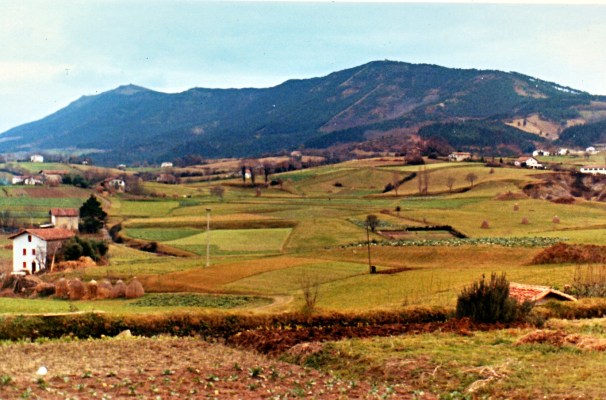
Yet it’s not a wasted trip. In fact it was almost like we were meant to follow the signs as we stop and watch a group of men tossing stones at an iron bar that is sticking up out of the ground.
It’s like a religious ceremony. They toss the stones, amid a great deal of animated conversation, then collect them up and go into a building only to re-emerge some minutes later and start the routine over again.
We stand and watch then one of the men beckons us over. We cannot understand what he’s saying but it doesn’t matter. Watch the ritual then go into the bar-cafe with them and they shout us a wine or two. Then back out into the daylight for another round of tossing stones … then back inside for another round of drinks.
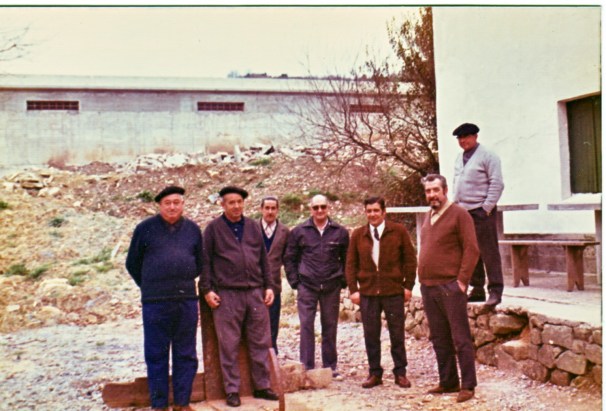
Everyone is happy … except the man who has to pay for the round. I guess he is the one who finished furthest from the peg.
“Trust everyone yet trust no-one,” were Jack Elliott’s parting words of advice. Ain’t it the truth. Like driving taxis to save up enough money to get over here.
Trust helps those around you relax yet suspicion finds them tensing up. Like an animal.
Back down the hill and we check into a hotel at Fuenterrabia. We are unsure about handing the passports over to the lady at the desk but it looks like that’s the way things are done.
A bath and into bed.
The next day it’s a bus to San Sebastian and the famed crescent-shaped La Concha Beach.
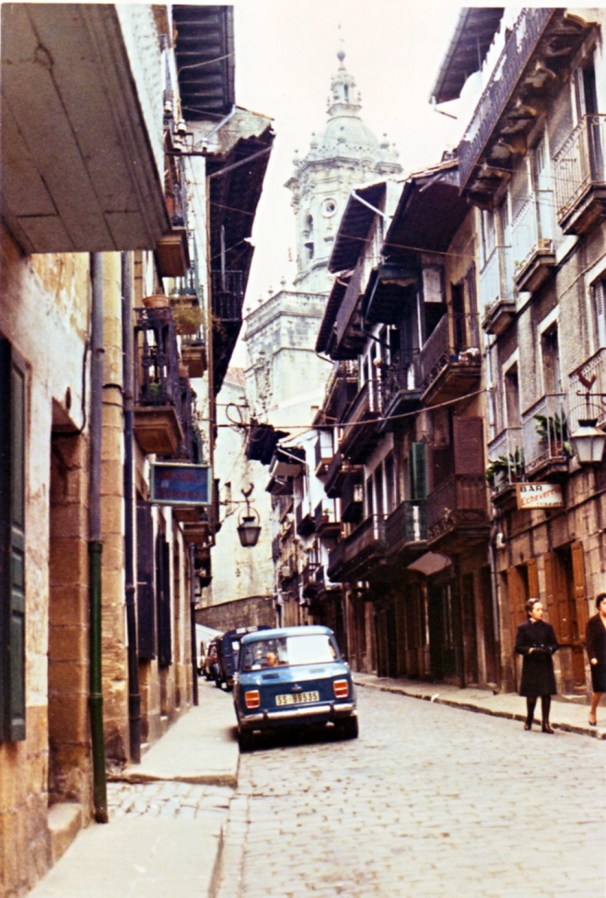
Past billboards, then Zarautz and the longest beach in Basque country that has attracted holiday-makers as well as celebrities.
Bilboa is the capital of the Basque region and a place brimming with industry as well as history.
I look forward to returning one day, but tonight our destination is Santander – an ancient port that dates back to Roman times in which settlers sheltered from the storms of the notoriously rough Bay of Biscay.
 leavearly