When the lakes ice over, it’s time to head south
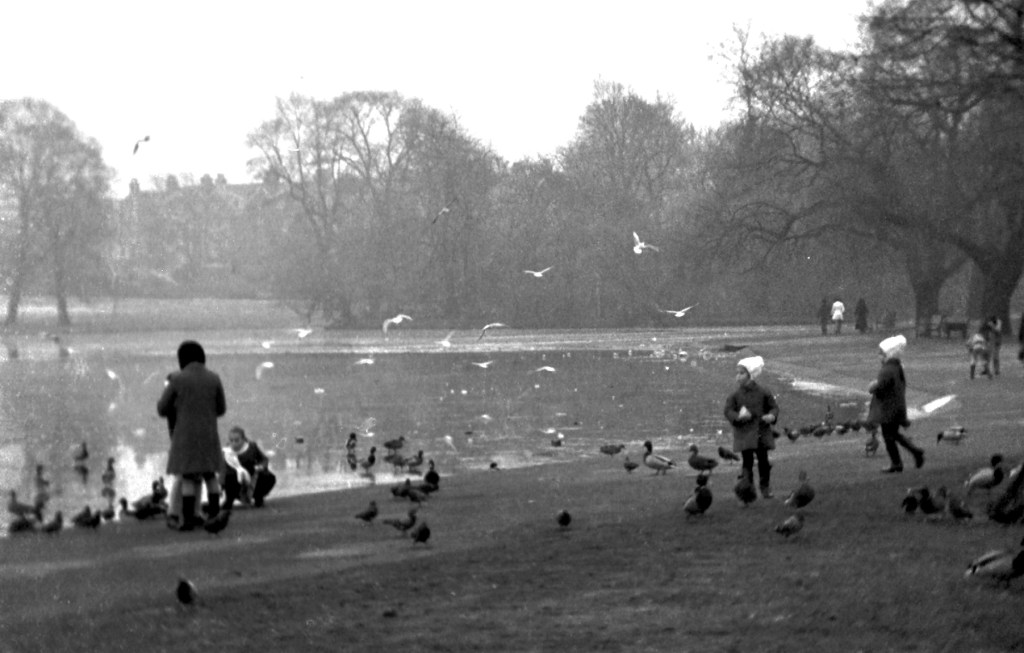
The lakes in Regents Park are covered by ice.
London sleeps beneath a sheet of grey. Winter grey.
We have been working in London for most of autumn and winter.
In what was one of only a handful of times in the 1900s there was snow falling on Christmas Eve as carols were sung by candlelight on the steps of St Martins In The Field at Trafalgar Square. And there was snow on the ski fields in Scotland for New Years.
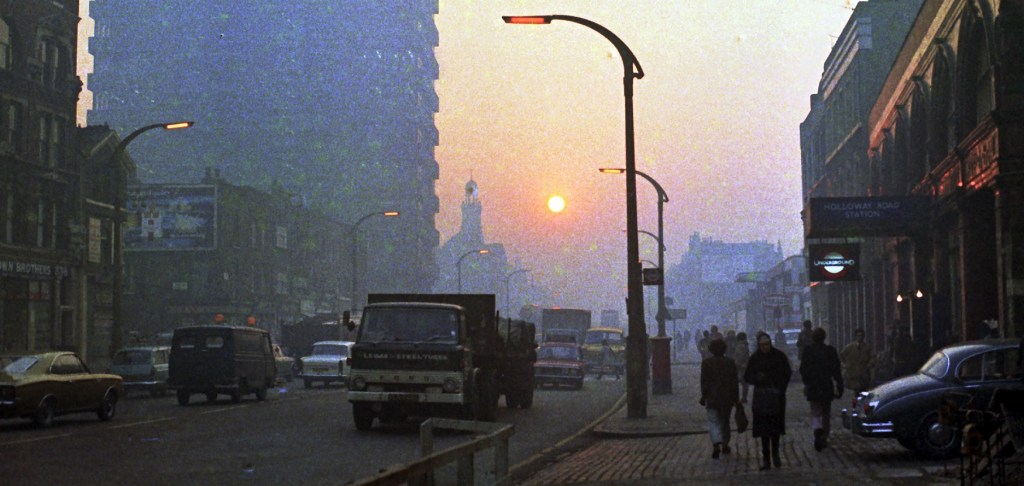
It was quite something out of the usual when there was a call in our office: “Come to the window.
“There, can you see it? A patch of blue sky.”
Blossoms were starting to burst on the trees in the parks and tulips beginning to bloom.
It was time for those of us from the Southern Hemisphere to make a move.
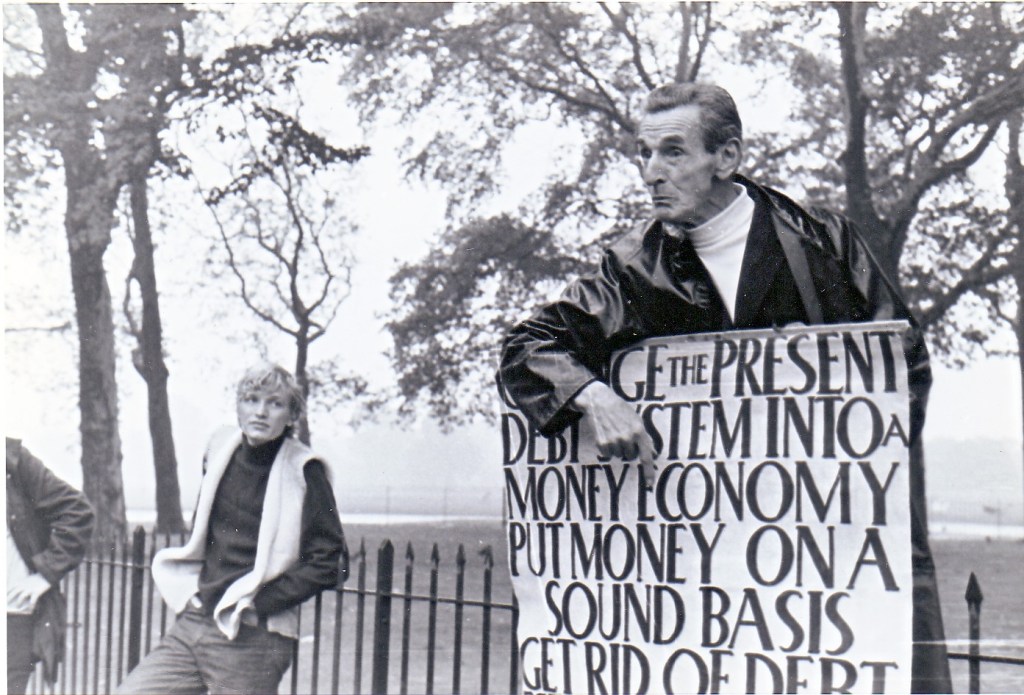
Plans are made in the warmth of The Spotted Dog to catch a boat to Portugal. Instead, over a few light-and-bitters, we decide on Spain.
“Meet you in Malaga in a month,” we say. “Each morning at 10 at the post office.”
So bags are packed and it’s goodbye to this city and all of those who sail in it.
At Southampton we tucked into dinner of eggs, sausages and toast then it’s farewell for now to the Elliott family, who have been so good to us since stepping ashore from the ship in September.
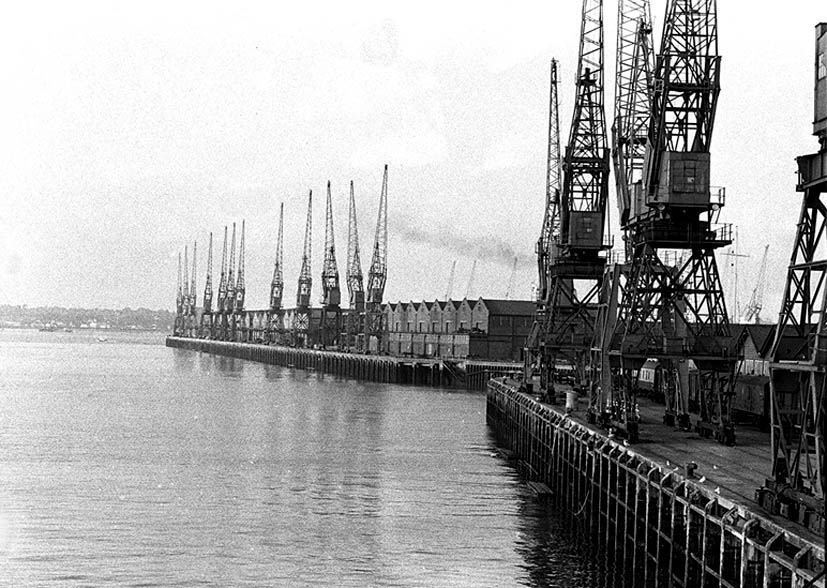
Goodbye as well to the docks and the wharves of Southampton.
We have no luck arranging a lift with the transport drivers even though the guys Trev worked with on the docks had done their best.
It’s a beautiful moonlight crossing on the ferry to Le Havre but Trev loses five quid while buying drinks. Still, we’ve got a bit of duty-free whisky to help us on our way.
The ferry docks in France at 7am. The greyness has followed us.
Buy a kilo of oranges at a farmers market to help us while we’re hitching … and walk to the outskirts of town.
The sun rises. A fiery red ball pushes its way up through the fog and the smog.
We get a lift to Pont de Tancarville but can just make out the ghostly structure of the bridge across the Seine because of the fog.
A Land Rover with Aussie flags and “Durban Or Bust” painted on it passes us. Two lonely figures crossing a silent river.
It’s then that you become aware of the bitter-sweet affair hitching can be.
Long gone are the days as kids we would hitch from our home town to the beach for a swim.
A couple on the road and about six in the bush. Then when someone would stop we’d all jump in.
“What sort of a trick is this,” the startled driver would shout before putting the trusty Holden into gear and heading off with everyone crammed in.
Then there were times we would get a lift on a tray-back truck carting a load of bagged potatoes.
Yet this time in France every passing car makes our spirits drop a little more.
Until it comes. Right out of the blue … or grey. A young guy in a white Mercedes.
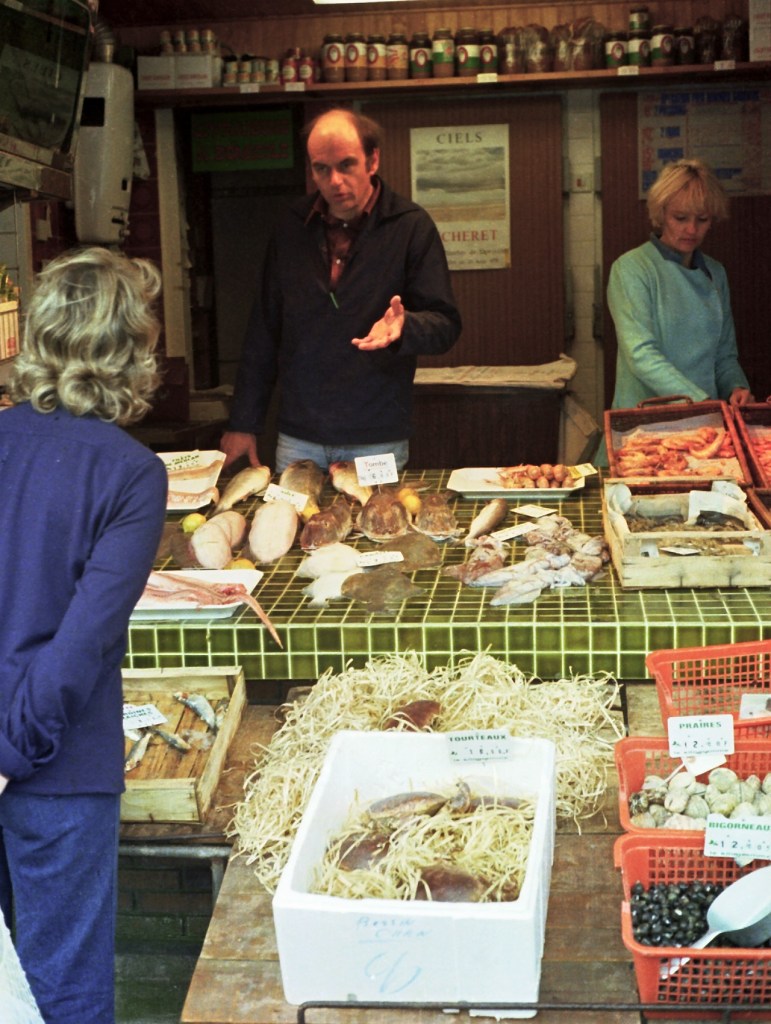
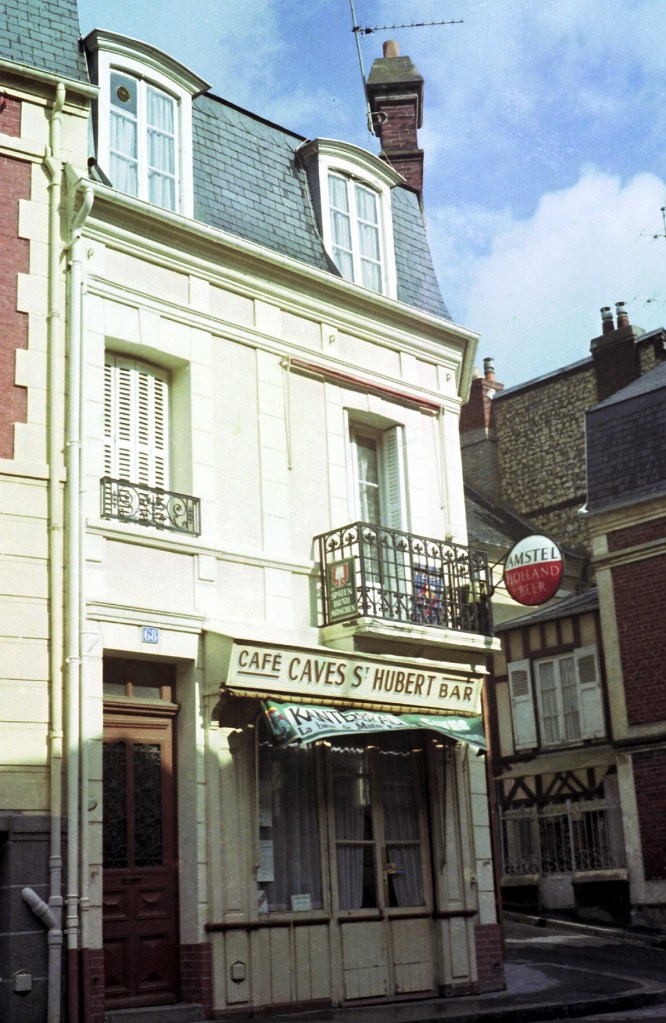
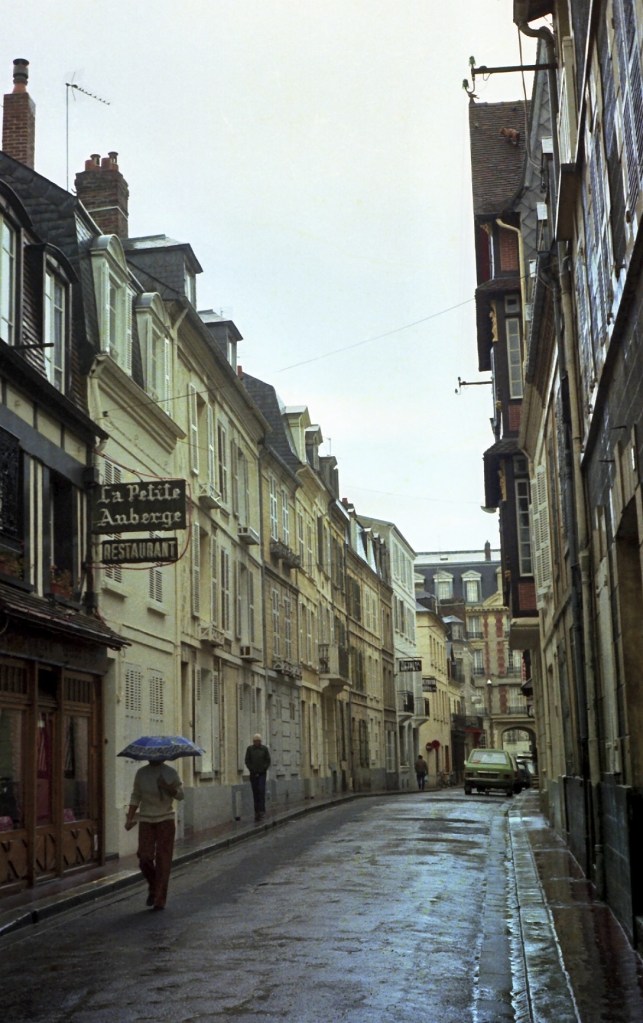
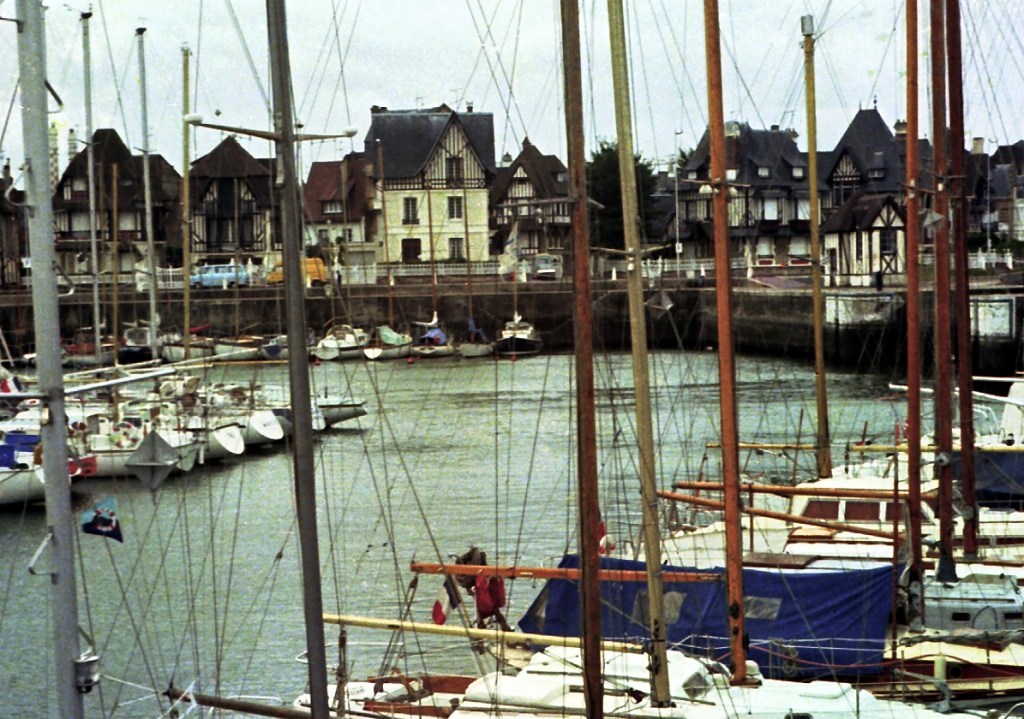
A white Mercedes that has seen better days I might add. But, hey, he takes us out of his way to show us the seaside resort town of Deauville.
Gentle surf, sunshine and great little fishing villages.
We had been told how difficult the French were but this was turning out fine.

BANG. A young doctor runs into us. But it’s only a dent in the door and all too soon we are being dropped off in Caen. Trouble is we can’t get a lift.
It’s the start of Normandy and was an important position in the Allied landing in World War II.
We walk for more than three hours.
It’s one of those lazy afternoons. The sun’s out, there’s the sound of birds high in the heavens, right out of sight.
At one stage we step through a hedge and into one of the war cemeteries. Thousands of white crosses in a field marking the Allied servicemen who had died during the landing.
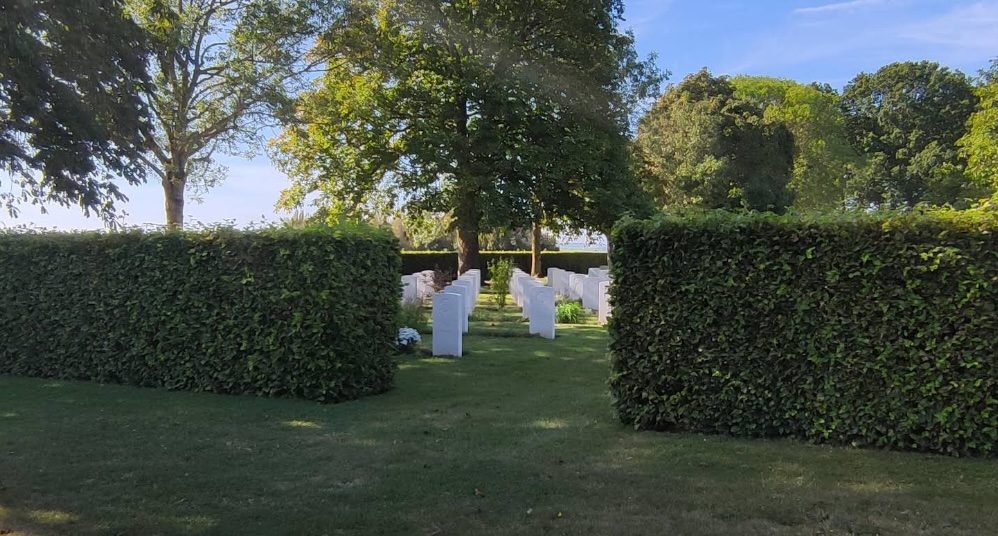
It’s a very moving moment. Everything is quiet, restful. So far removed from those days when it must have seemed that all hell had broken loose.
Bretteville-sur-Laizemain is for Commonwealth soldiers, the majority Canadian, who were involved in the push south from Caen.
Just north of the village of Cintheaux, it contains 2958 Commonwealth burials.
As late afternoon approaches we feel there’s a chill in the February air and it’s time to start thinking about where to camp.
The farming community is just off the main road. We’re tired and hungry.
Trev waits at the railway embankment and starts to set up the little tent. It’s Sunday so there will be no trains.
I walk into the village. About eight houses for the farm workers and their families, a church and a bar-cafe.
There are three or four men sitting at tables, drinking wine and beer. Farmers with weathered faces and cautious disposition.
No tourist information office here. So how do I arrange for something to eat?
“Deux pain et jambonne sil vous plait.” It’s about the only thing I can remember from Year 7 French lessons but it does the trick.
When it’s discovered I’m Australian the mood quickly changes. It seems all those Diggers in two World Wars left a lasting impression in these parts. A very good impression.
They are very generous with their wine and conversation. Not that I can understand much. Yet there are times when so much can be said with so little words. In the end it’s only the fast-approaching darkness that forces me back outside.
Trevor’s just about at his wit’s end wondering what had happened but his feet are too sore for him to have walked in to find out.
Still, the camp’s set up and we bed down. The night is clear. Crystal clear … and freezing.
We wake at 8.30 and put more jumpers and socks on. Wake again at 11.30 and share a whisky.
Then at one minute past midnight there’s the roar of a train.
“Quick, get out,” Trev yells, thinking we are sleeping on the railway line. The sound travels so well in the winter air.
Luckily, he can’t open the tent flap otherwise he might have got out … and stumbled up on to the railway line.
The train passes … and so does time – 1am, 4.30am, finally peeping out at 7.30.
The tent is frozen. We wait for the sun to rise to thaw things out, then walk along the railway line. The exercise helps get some feeling into our toes.
We push inside a truck-stop cafe. Two travellers in time. Trev’s guitar is the only thing that sets us apart from those inside.
We sit at the counter and watch. Heavy men in heavy navy blue coats or brown jackets.
It’s interesting trying to understand what they’re saying, what they’re eating and drinking. It’s also easier to order … just motion to what one of them is having.
The trouble comes with the coffee. Each has cognac with it but some sip it in between mouthfuls of coffee while others put it in the coffee and drink.
Then there are others who drink the coffee then knock down the cognac in one hit.
We try them all – and are warming up a great deal by now.
But the passing motorists only wave. So we walk. Walk past the fields and lanes where Allied troops once marched.
This is the region where the war-time movie Saving Private Ryan was set.
Stop off at the Polish war cemetery. Such a waste of life. Such suffering. And for what? So new soldiers can fight new wars for politicians who sit at home in chairs of leather.
Lunch at another bar in another village. Grainville-Langannerie. Pain de fromage et vin rouge.
Then walk to Potigny … and wait for a bus.
Falaise is an old walled town with a chateau. We tuck into another ham roll and coffee then catch another bus to Argentan.
A seven franc train trip gets us to Alencon. That’s all the cash we have … until the banks open. But it’s 10pm and time to find somewhere to sleep.
Reject the idea of sleeping in some old huts left over from the war and set up the tent in a park. A carpark. And the next thing it’s raining. Thank goodness for the sheets of plastic Curly gave us on the ship.
We wake to a wet tent, wet sleeping bags and wet clothes – so it’s into the railway station to dry out.
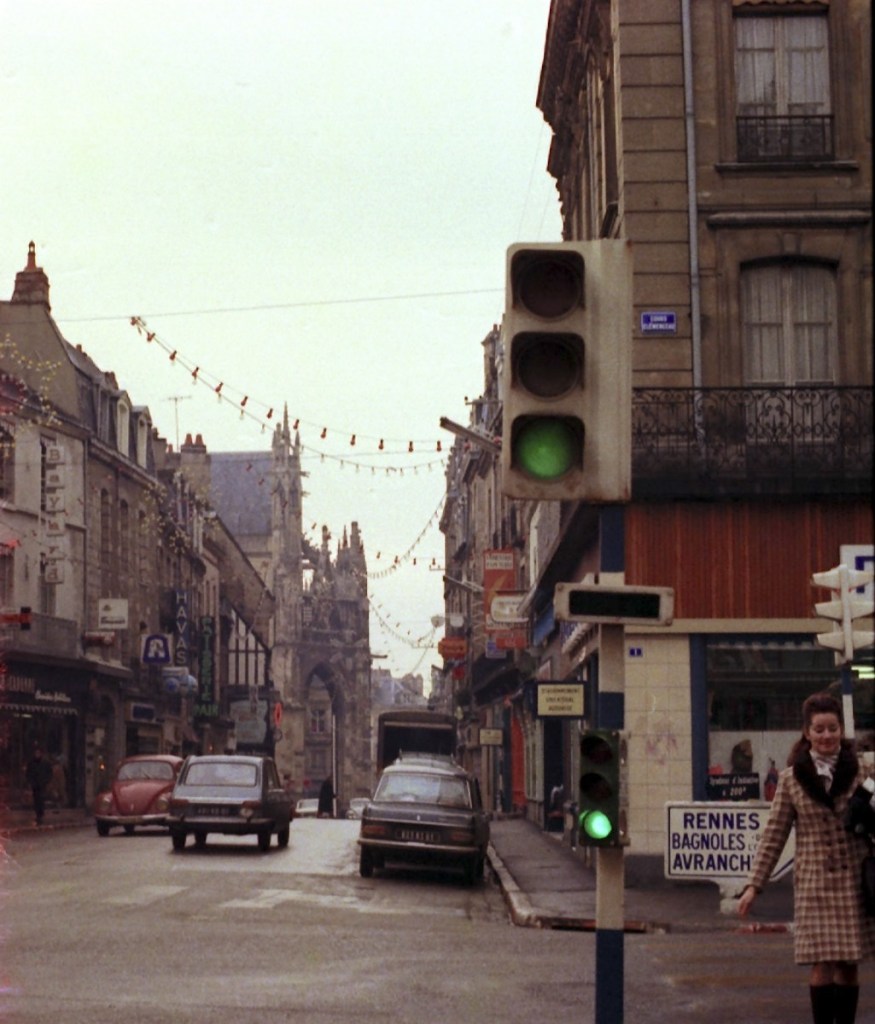
The plan is to catch a train to Tours, then book tickets for Bordeaux. We will be able to walk to Spain from there.
 leavearly